
Изчислете точни обеми за реконституция, инсулинови единици и дози на флакон за всеки пептид.
Флаконът, водата и дозата са известни
Деленията измерват обем, не активно вещество. 100 IU = 1.00 ml. Колко mg има в тях зависи от разтварянето. Калкулаторът го е изчислил вместо Вас.
Почти всички инсулинови спринцовки са U-100. Изберете U-40 само ако на спринцовката пише U-40.
MOTS-c (Mitochondrial Open Reading Frame of the Twelve S rRNA type-c) is a 16-amino-acid peptide encoded not by the nuclear genome but by mitochondrial DNA — specifically within the 12S ribosomal RNA gene. It was first identified in 2015 by researchers at the University of Southern California, led by Pinchas Cohen, marking a paradigm shift in our understanding of mitochondria as endocrine-like signaling organelles rather than passive energy factories.
MOTS-c is produced in mitochondria across multiple tissues, released into circulation, and acts as a systemic metabolic hormone. Plasma concentrations decline with age and are lower in individuals with obesity, type 2 diabetes, and metabolic syndrome — positioning MOTS-c as both a biomarker and a therapeutic target for age-related metabolic dysfunction.
The peptide is sometimes described as an "exercise mimetic" because its administration recapitulates key metabolic adaptations induced by physical exercise: improved insulin sensitivity, enhanced fatty acid oxidation, increased skeletal muscle glucose uptake, and reduced adiposity — without requiring the exercise itself. This has generated significant research interest in applications ranging from metabolic disease to healthy aging and longevity protocols.
MOTS-c operates through several interconnected metabolic pathways:
MOTS-c research is still evolving, and human clinical trials are limited. The dosing parameters below reflect current research protocols and the community consensus among peptide researchers. Use the MOTS-c Calculator to calculate exact injection volumes for your vial concentration.
Unlike peptides dosed daily, MOTS-c is typically administered on a weekly schedule:
A standard 10 mg vial reconstituted with 2 mL bacteriostatic water yields a concentration of 5 mg/mL. A 5 mg dose therefore requires 1.0 mL using a 1.0 mL syringe (a single full draw). View MOTS-c at BergdorfBio for purchasing options.
MOTS-c is supplied as a lyophilized (freeze-dried) powder, typically in 5 mg or 10 mg vials. It must be reconstituted with bacteriostatic water (BAC water) before use.
Use the MOTS-c Peptide Calculator to determine the precise draw volume for any dose and concentration combination.
Human safety data on MOTS-c remains limited, and the peptide is classified strictly as a research compound. Based on available animal studies and self-reported human research experience:
No serious adverse events have been attributed to MOTS-c in published animal research at doses comparable to human research protocols. Long-term human safety data is not yet available.
The combination of MOTS-c and SS-31 (Elamipretide) represents a powerful dual-mechanism approach to mitochondrial optimization. While MOTS-c activates AMPK and drives metabolic reprogramming at the systems level, SS-31 directly targets cardiolipin in the inner mitochondrial membrane, restoring electron transport chain efficiency and reducing reactive oxygen species (ROS). Together, they address both the signaling deficits and the structural damage that characterize mitochondrial aging.
For body composition goals, stacking MOTS-c with AOD-9604 — the lipolytic C-terminal fragment of human growth hormone — combines AMPK-driven metabolic enhancement with direct fat cell signaling. AOD-9604 stimulates lipolysis in adipocytes via beta-3 adrenoreceptors while inhibiting de novo lipogenesis. Combined with MOTS-c's improvement in fatty acid oxidation and insulin sensitivity, this stack addresses fat metabolism through complementary pathways.
Many researchers begin with MOTS-c as a standalone compound, particularly for insulin resistance, weight management, or longevity goals. Its broad metabolic effects and once-weekly dosing make it one of the more practical peptides for long-term research protocols.
MOTS-c is unique in being encoded by mitochondrial DNA rather than nuclear DNA — it is the first mitochondria-derived peptide shown to act as a systemic hormone. This gives it a mechanistic profile distinct from peptides like AOD-9604 or CJC-1295: rather than acting on a single receptor, it reprograms cellular metabolism at the level of energy sensing (AMPK) and gene expression.
In animal models, significant improvements in insulin sensitivity and glucose tolerance appear within 2–4 weeks of weekly administration. Human researchers often report subjective improvements in energy levels and exercise recovery within 3–6 weeks. Body composition changes, if they occur, typically require 8–12 weeks to assess.
No. MOTS-c does not interact with the hypothalamic-pituitary-gonadal (HPG) axis and does not suppress endogenous hormone production. No PCT is required after a MOTS-c cycle.
Yes, and this is one of the most scientifically interesting aspects of MOTS-c research. Because MOTS-c activates the same AMPK pathways as exercise, combining the two may produce additive or synergistic effects on metabolic adaptation. Some researchers inject MOTS-c 30–60 minutes before training sessions for this reason.
MOTS-c is one of the most actively researched peptides in the longevity field. Its decline with age, its role in mitochondrial function, and its ability to recapitulate metabolic youth markers make it a compelling subject. Several longevity researchers include it specifically because it targets the mitochondrial aging axis — a pathway implicated in hallmarks of aging including energy decline, insulin resistance, and chronic inflammation.
Yes. MOTS-c's mechanisms are not sex-hormone dependent. Research has been conducted in both male and female animal models with consistent metabolic improvements observed across sexes. Human protocols are used by both men and women without sex-specific dosing adjustments currently indicated.
Given the typical dose volume of 1.0 mL for a 5 mg dose at 5 mg/mL concentration, a 1.0 mL insulin syringe holds a single full draw. A standard 29–31 gauge, 0.5-inch needle is recommended. For smaller fractional doses, an insulin syringe graduated in units makes measurement easier.
Both MOTS-c and metformin activate AMPK, but through distinct mechanisms. Metformin inhibits mitochondrial complex I, which secondarily elevates AMP:ATP ratio and activates AMPK. MOTS-c works via the MTHFR/AICAR pathway to produce a more upstream and physiologically derived AMPK signal. Unlike metformin, MOTS-c does not impair mitochondrial respiration — it enhances it. The two have not been formally studied in combination in humans.
Medical Disclaimer: The information on this page is provided for educational and research purposes only. MOTS-c is not an approved drug or medical treatment. It is sold strictly for research use. Nothing on this page constitutes medical advice, diagnosis, or a recommendation to use any specific compound. Always consult a qualified healthcare professional before beginning any peptide protocol. BergdorfBio assumes no liability for the use or misuse of the information presented here.
От прах до готова спринцовка в пет стъпки. Количествата Ви предоставя калкулаторът по-горе автоматично.
Доведете флакона и водата до стайна температура. Избършете и двете гумени запушалки с тампон със спирт.
Изтеглете препоръчаното от калкулатора количество BAC вода с по-голяма спринцовка.
Оставете водата да се стича по стъклената стена във флакона с пептида, не я впръсквайте директно върху праха.
Завъртете флакона внимателно, не разклащайте. Прахът се разтваря до бистро за 1-2 минути.
С инсулиновата спринцовка изтеглете точно до изчисленото деление. Готово.
Типични начални стойности за ориентир. Всеки ред отваря калкулатора за съответния пептид.
| Пептид | Категория | Обичайна доза | Размери на флакони | BAC (начало) | Наличност | Изчисли |
|---|---|---|---|---|---|---|
| Retatrutide | GLP-1/GIP/GCG | 0,5-12 mg | 2 / 5 / 10 / 15 mg | 2 ml | Само калкулатор | Изчисли |
| Semaglutide | GLP-1 | 0,25-2,4 mg | 2 / 5 / 10 mg | 2 ml | Само калкулатор | Изчисли |
| Tirzepatide | GLP-1/GIP | 2,5-15 mg | 5 / 10 / 15 mg | 2 ml | Само калкулатор | Изчисли |
| GHK-Cu | Меден пептид | 1-4 mg | 10 / 20 / 50 mg | 5 ml | Само калкулатор | Изчисли |
| BPC-157 | Възстановяване на тъкани | 200-500 mcg | 2 / 5 / 10 mg | 2 ml | Само калкулатор | Изчисли |
| TB-500 | Thymosin Beta-4 | 2-5 mg | 2 / 5 / 10 mg | 2 ml | Само калкулатор | Изчисли |
| CJC-1295 (без DAC) | GHRH аналог | 100-200 mcg | 2 / 5 / 10 mg | 2 ml | Само калкулатор | Изчисли |
| Ipamorelin | GHRP | 200-300 mcg | 2 / 5 mg | 2 ml | Само калкулатор | Изчисли |
| AOD-9604 | Изгаряне на мазнини | 250-500 mcg | 2 / 5 mg | 2 ml | Само калкулатор | Изчисли |
| PT-141 | Bremelanotide | 0,5-2 mg | 2 / 5 / 10 mg | 2 ml | Само калкулатор | Изчисли |
| MOTS-c | Митохондриален | 5-10 mg | 5 / 10 mg | 2 ml | Само калкулатор | Изчисли |
| Selank | Анксиолитик | 150-500 mcg | 2 / 5 mg | 2 ml | Само калкулатор | Изчисли |
| SS-31 | Elamipretide | 0,1-1 mg | 5 / 10 mg | 2 ml | Само калкулатор | Изчисли |
| Glow Stack | Stack | 0,5-2 mg | 70 mg | 3 ml | Само калкулатор | Изчисли |
| Klow Stack | Stack | 0,5-2 mg | 55 mg | 3 ml | Само калкулатор | Изчисли |
| Melanotan II | Melanocortin | 100-1000 mcg | 5 / 10 mg | 2 ml | Само калкулатор | Изчисли |
| Melanotan I | Melanocortin | 100-1000 mcg | 5 / 10 mg | 2 ml | Само калкулатор | Изчисли |
| Sermorelin | GHRH аналог | 50-300 mcg | 2 / 5 mg | 2 ml | Само калкулатор | Изчисли |
| Tesamorelin | GHRH аналог | 1-2 mg | 10 / 20 mg | 2 ml | Само калкулатор | Изчисли |
| Thymosin Alpha-1 | Тимусен пептид | 0,8-3,2 mg | 1.6 / 5 / 10 mg | 1 ml | Само калкулатор | Изчисли |
| Epithalon | Дълголетие | 2-10 mg | 10 / 20 / 50 mg | 2 ml | Само калкулатор | Изчисли |
| KPV | Имунна / Бариера | 100-1000 mcg | 5 / 10 mg | 2 ml | Само калкулатор | Изчисли |
| HGH Fragment 176-191 | Метаболитен фрагмент | 100-500 mcg | 2 / 5 / 10 mg | 2 ml | Само калкулатор | Изчисли |
| Semax | Когнитивен | 100-1000 mcg | 10 / 30 mg | 2 ml | Само калкулатор | Изчисли |
| N-Acetyl Semax | Когнитивен | 100-1000 mcg | 5 / 10 mg | 2 ml | Само калкулатор | Изчисли |
| Hexarelin | GHRP | 50-200 mcg | 2 / 5 mg | 2 ml | Само калкулатор | Изчисли |
| GHRP-6 | GHRP | 50-300 mcg | 2 / 5 mg | 2 ml | Само калкулатор | Изчисли |
| GHRP-2 | GHRP | 50-250 mcg | 2 / 5 mg | 2 ml | Само калкулатор | Изчисли |
| DSIP | Сън | 50-500 mcg | 2 / 5 mg | 2 ml | Само калкулатор | Изчисли |
| 5-Amino-1MQ | Метаболитен | 2,5-10 mg | 5 / 10 mg | 2 ml | Само калкулатор | Изчисли |
| HGH 191AA | Хормон на растежа | 1-5 mg | 10 mg | 1 ml | Само калкулатор | Изчисли |
| NAD+ | Дълголетие / Кофактор | 100-500 mg | 1000 mg | 10 ml | Само калкулатор | Изчисли |
Стойностите служат за ориентир в изследователски контекст и не заместват професионална консултация.
Правилното изчисляване на концентрацията и обема на инжекцията изглежда тривиално, но е най-честият източник на грешки. Дори грешка от 10 % при разтварянето означава, че получавате или твърде малко активно вещество, или непреднамерено предозирате.
Лиофилизираните пептиди се доставят в милиграми и се разтварят в бактериостатична вода (BAC вода). Съотношението на пептида към водата определя концентрацията, а от нея следва колко деления изтегляте на инсулиновата спринцовка. Инсулиновите спринцовки са скалирани в единици, не в милиграми. Това преобразуване извършва калкулаторът, включително проверката за достоверност срещу най-опасната грешка: бъркането на mg и mcg.
Милиграмът (mg) е единицата, в която се продават лиофилизираните пептиди, например „5 mg BPC-157“. Микрограмът (mcg) измерва единичната доза, например „250 mcg на инжекция“. 1 mg = 1000 mcg. Калкулаторът преобразува автоматично и предупреждава, когато въведена стойност изглежда като объркване.
U-100 означава, че спринцовката е калибрирана за 100 единици на милилитър. 100 IU = 1 ml, тоест 10 IU = 0,10 ml, независимо от това какво има в спринцовката. Именно на тази зависимост се основава изчислението на IU.
При много пептид и малко вода разтворът става много концентриран, тоест обемът на доза е минимален и труден за отчитане. Използвайте помощника за разтваряне: той намира количеството вода, което дава чисто, лесно за отчитане деление.
В хладилник при 2-8 °C обикновено 21-30 дни. Обозначете флакона с датата на разтваряне. Мътни разтвори или частици са причина за изхвърляне.
Смесите съдържат няколко активни вещества в един флакон. Просто изберете сместа като пептид: калкулаторът показва допълнително колко от всеки компонент се съдържа във Вашата инжекция. За комбинации от няколко отделни флакона използвайте Stack Builder.
Не. Последните Ви настройки се запазват локално в браузъра и се възстановяват при следващото посещение. Освен това можете да извиквате изчисления от историята, да ги запазвате като протокол или да ги споделяте като връзка.
Изберете пептид, за да отворите страницата му на калкулатора с предварително попълнени стойности.
Вижте продукта
MOTS-c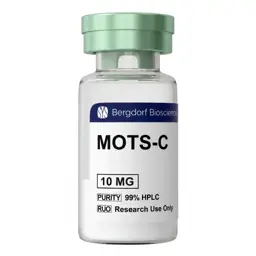
Един флакон от 10 мг стига за около 2 дози при избраната от вас доза.
Типични начални стойности за ориентир. Всеки ред отваря калкулатора за съответния пептид.
| Пептид | Категория | Обичайна доза | Размери на флакони | BAC (начало) | Наличност | Изчисли |
|---|---|---|---|---|---|---|
| Retatrutide | GLP-1/GIP/GCG | 0,5-12 mg | 2 / 5 / 10 / 15 mg | 2 ml | В наличност | Изчисли |
| Tirzepatide | GLP-1/GIP | 2,5-15 mg | 5 / 10 / 15 mg | 2 ml | В наличност | Изчисли |
| GHK-Cu | Меден пептид | 1-4 mg | 10 / 20 / 50 mg | 5 ml | В наличност | Изчисли |
| BPC-157 | Възстановяване на тъкани | 200-500 mcg | 2 / 5 / 10 mg | 2 ml | В наличност | Изчисли |
| TB-500 | Thymosin Beta-4 | 2-5 mg | 2 / 5 / 10 mg | 2 ml | В наличност | Изчисли |
| CJC-1295 (без DAC) | GHRH аналог | 100-200 mcg | 2 / 5 / 10 mg | 2 ml | В наличност | Изчисли |
| MOTS-c | Митохондриален | 5-10 mg | 5 / 10 mg | 2 ml | В наличност | Изчисли |
| Glow Stack | Stack | 0,5-2 mg | 70 mg | 3 ml | В наличност | Изчисли |
| Klow Stack | Stack | 0,5-2 mg | 55 mg | 3 ml | В наличност | Изчисли |
| Melanotan II | Melanocortin | 100-1000 mcg | 5 / 10 mg | 2 ml | В наличност | Изчисли |
| Tesamorelin | GHRH аналог | 1-2 mg | 10 / 20 mg | 2 ml | В наличност | Изчисли |
| Thymosin Alpha-1 | Тимусен пептид | 0,8-3,2 mg | 1.6 / 5 / 10 mg | 1 ml | В наличност | Изчисли |
| KPV | Имунна / Бариера | 100-1000 mcg | 5 / 10 mg | 2 ml | В наличност | Изчисли |
| Semax | Когнитивен | 100-1000 mcg | 10 / 30 mg | 2 ml | В наличност | Изчисли |
| NAD+ | Дълголетие / Кофактор | 100-500 mg | 1000 mg | 10 ml | В наличност | Изчисли |
| Semaglutide | GLP-1 | 0,25-2,4 mg | 2 / 5 / 10 mg | 2 ml | Само калкулатор | Изчисли |
| Ipamorelin | GHRP | 200-300 mcg | 2 / 5 mg | 2 ml | Само калкулатор | Изчисли |
| AOD-9604 | Изгаряне на мазнини | 250-500 mcg | 2 / 5 mg | 2 ml | Само калкулатор | Изчисли |
| PT-141 | Bremelanotide | 0,5-2 mg | 2 / 5 / 10 mg | 2 ml | Само калкулатор | Изчисли |
| Selank | Анксиолитик | 150-500 mcg | 2 / 5 mg | 2 ml | Само калкулатор | Изчисли |
| SS-31 | Elamipretide | 0,1-1 mg | 5 / 10 mg | 2 ml | Само калкулатор | Изчисли |
| Melanotan I | Melanocortin | 100-1000 mcg | 5 / 10 mg | 2 ml | Само калкулатор | Изчисли |
| Sermorelin | GHRH аналог | 50-300 mcg | 2 / 5 mg | 2 ml | Само калкулатор | Изчисли |
| Epithalon | Дълголетие | 2-10 mg | 10 / 20 / 50 mg | 2 ml | Само калкулатор | Изчисли |
| HGH Fragment 176-191 | Метаболитен фрагмент | 100-500 mcg | 2 / 5 / 10 mg | 2 ml | Само калкулатор | Изчисли |
| N-Acetyl Semax | Когнитивен | 100-1000 mcg | 5 / 10 mg | 2 ml | Само калкулатор | Изчисли |
| Hexarelin | GHRP | 50-200 mcg | 2 / 5 mg | 2 ml | Само калкулатор | Изчисли |
| GHRP-6 | GHRP | 50-300 mcg | 2 / 5 mg | 2 ml | Само калкулатор | Изчисли |
| GHRP-2 | GHRP | 50-250 mcg | 2 / 5 mg | 2 ml | Само калкулатор | Изчисли |
| DSIP | Сън | 50-500 mcg | 2 / 5 mg | 2 ml | Само калкулатор | Изчисли |
| 5-Amino-1MQ | Метаболитен | 2,5-10 mg | 5 / 10 mg | 2 ml | Само калкулатор | Изчисли |
| HGH 191AA | Хормон на растежа | 1-5 mg | 10 mg | 1 ml | Само калкулатор | Изчисли |
Стойностите служат за ориентир в изследователски контекст и не заместват професионална консултация.
Изберете пептид, за да отворите страницата му на калкулатора с предварително попълнени стойности.