
Thymosin Alpha-1: The Thymic Immune Peptide in Research Overview
Dr. Sieglinde Klaus
Scientific Editorial Team · Bergdorf Bioscience
Table of Contents
- 01What exactly is Thymosin Alpha-1 and where does it come from?
- 02How is Thymosin Alpha-1 chemically structured?
- 03How does Thymosin Alpha-1 act at the molecular level?
- 04Which dosages are used in research?
- 05What is the pharmacokinetic profile of Thymosin Alpha-1?
- 06What role does the short half-life play in study design?
- 07How is Thymosin Alpha-1 reconstituted and stored?
- 08Which side effects are known from studies?
- 09How does Thymosin Alpha-1 differ from TB-500 (Thymosin Beta-4) and BPC-157?
- 10How does Thymosin Alpha-1 differ from KPV?
- 11Frequently asked questions about Thymosin Alpha-1
- Is Thymosin Alpha-1 the same as TB-500?
- How long does Thymosin Alpha-1 remain detectable in plasma?
- Why is the N-terminal acetylation important?
- At what temperature is Thymosin Alpha-1 stored?
- Which dosage is typically used in research?
Thymosin Alpha-1 (Tα1, INN: Thymalfasin) is a 28 amino acid, N-terminally acetylated peptide from the thymus that is studied in research as an immunomodulatory peptide and biological response modifier. It was originally isolated from calf thymus and had its sequence determined (Goldstein et al., 1977). The synthetic pharmaceutical form carries the brand name Zadaxin.
What exactly is Thymosin Alpha-1 and where does it come from?
Thymosin Alpha-1 is a thymic polypeptide that was isolated from calf thymus and fully sequenced in 1977 by Goldstein and colleagues (Goldstein et al., 1977). The substance consists of 28 amino acid residues and belongs to the class of immunomodulatory peptides, which are classified in immunology as biological response modifiers. A characteristic feature is the N-terminal acetylation: the terminal serine carries an acetyl group that contributes about 42 Da to the molecular mass and distinguishes the mature form from the non-acetylated precursor (Liu et al., 2013).
The synthetic, pharmaceutically standardized form carries the international nonproprietary name Thymalfasin and is marketed under the brand name Zadaxin. In historical reviews, Tα1 is described as one of the longest-researched thymus peptides, with study spanning several decades (Camerini & Garaci, 2015). Tα1 is a heat-stable, strongly acidic molecule whose physicochemical properties were documented as early as the original description (Goldstein et al., 1977).
Important for context: Thymosin Alpha-1 is not a tissue repair or angiogenesis peptide, but is primarily regarded in research as a modulator of the interface between innate and adaptive immunity (Dominari et al., 2020).
How is Thymosin Alpha-1 chemically structured?
The amino acid sequence of Thymosin Alpha-1 comprises 28 residues and reads in single-letter code Ac-SDAAVDTSSEITTKDLKEKKEVVEEAEN, that is, acetylated serine at the N-terminus followed by the complete chain up to the terminal asparagine (Goldstein et al., 1977). Notable is the high proportion of acidic amino acids such as aspartate and glutamate, which gives the molecule its strongly acidic character.
The molecular mass of the mature, N-acetylated form is around 3108 to 3109 Da; a mass-spectrometric characterization reports 3108.79 Da (Liu et al., 2013). The non-acetylated variant has a lower mass of around 3065 Da; the acetyl group adds the aforementioned roughly 42 Da. According to the available literature, this N-terminal acetylation is structurally important for full biological activity and at the same time improves stability against degradation by aminopeptidases, since the acetylation extends the half-life relative to the free amino form (Liu et al., 2013).
For laboratory practice this means that purity and correct acetylation are decisive quality criteria. Researchers should review lot-specific certificates of analysis, which typically state purity grades of 98 percent or higher as well as confirmation of the N-terminal acetylation. The heat stability of the molecule was already highlighted as a notable feature in the original description (Goldstein et al., 1977).
How does Thymosin Alpha-1 act at the molecular level?
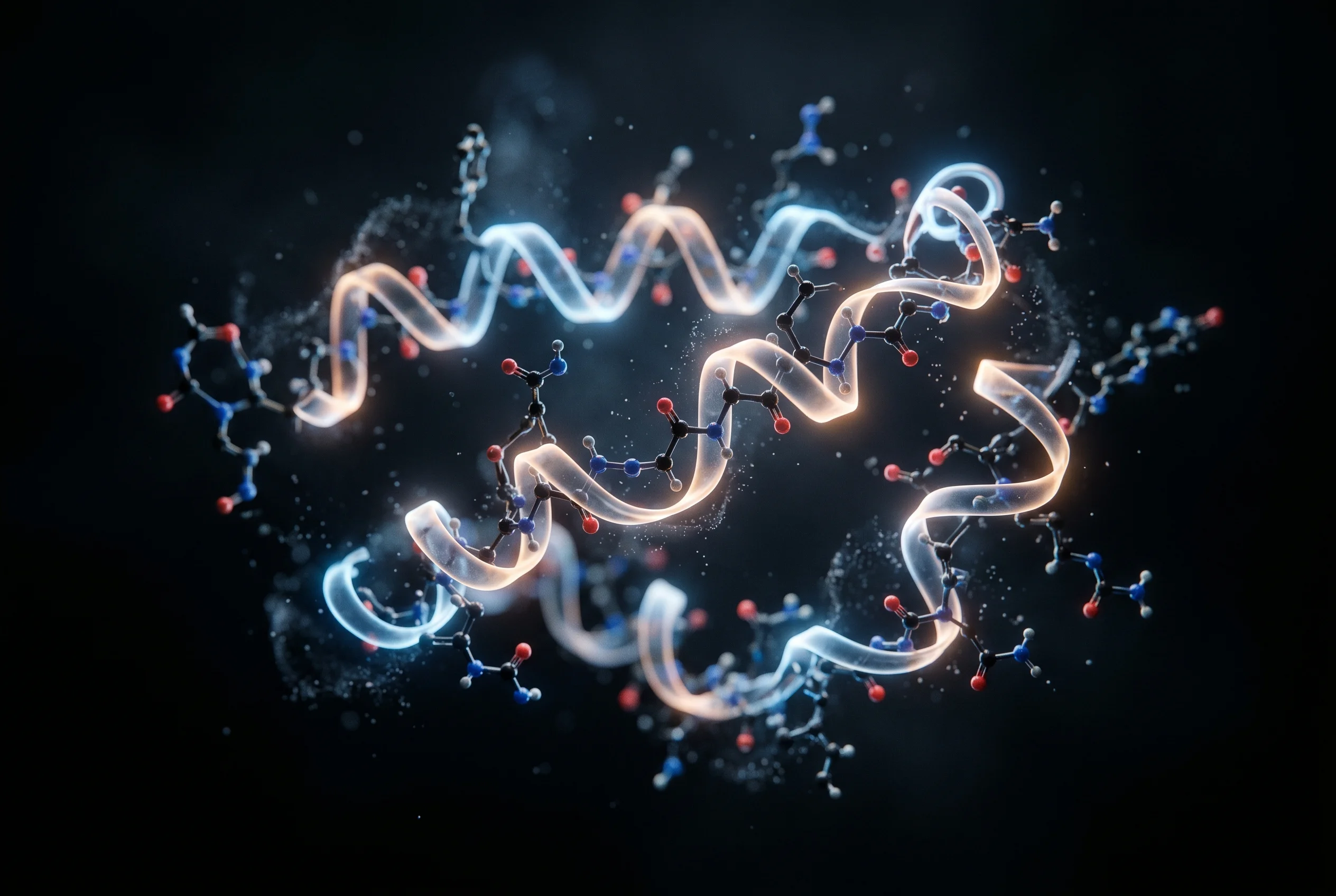
Thymosin Alpha-1 is described in research as a pleiotropic immunomodulator that primarily acts at the interface between innate and adaptive immunity (Romani et al., 2007). A central mechanism of action proceeds via Toll-like receptors: studies suggest that Tα1 signals via TLR2 on myeloid dendritic cells and via TLR9 on plasmacytoid dendritic cells, specifically through the MyD88-dependent signaling pathway, which activates IRF7 and feeds into the interferon effector pathway (IFN-α and IFN-γ) (Dominari et al., 2020).
At the cellular level, according to the literature, Tα1 promotes the maturation and differentiation of dendritic cells and favors a Th1 polarization. This is accompanied by enhanced function of T cells (CD4+ and CD8+) as well as NK cells and, in immunocompromised states, can raise lowered cell counts again (Dominari et al., 2020). Concomitantly, cytokines such as IFN-γ and IL-2 are stimulated.
A particularly interesting aspect is the dual regulation: in dendritic cells, Tα1 induces indoleamine 2,3-dioxygenase (IDO) and thereby tryptophan catabolism, creating a regulatory environment that balances inflammation and tolerance (Romani et al., 2007). In research, Tα1 is therefore described as an endogenous regulator of inflammation, immunity, and tolerance that strengthens effective immune responses while at the same time being able to dampen overactivation.
Which dosages are used in research?
In the available clinical and pharmacological literature, the standard regimen is well documented. The established schedule provides 1.6 mg subcutaneously twice weekly, which corresponds approximately to 900 µg per square meter of body surface area; in the studies, administration typically extended over six to twelve months (Dominari et al., 2020). For pediatric or low-weight study participants under 40 kg, the literature describes a weight-adapted dose of 40 µg per kilogram.
The formal pharmacokinetic studies likewise dosed on the basis of body surface area at 900 µg/m² (Rost et al., 1999). Regarding tolerability of higher dosages, data are available that, in human studies, showed no adverse reactions up to 16 mg twice weekly over four weeks (Rost et al., 1999).
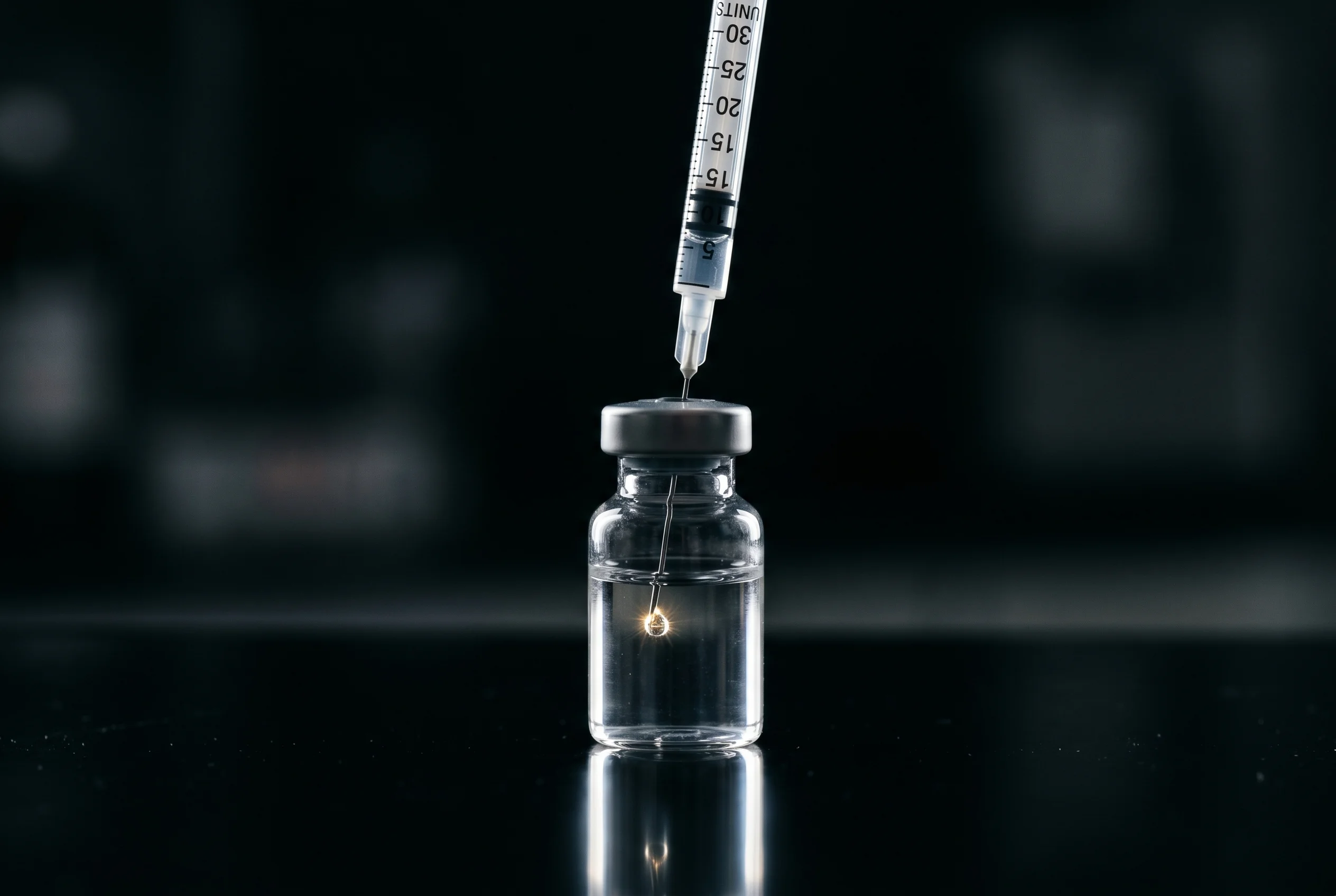
For the computational planning of vial sizes, reconstitution volume, and resulting injection amounts, the peptide can be modeled in the Bergdorf tool: Calculate Thymosin Alpha-1 in the peptide calculator. This makes it possible, for example, to follow how a 1.6 mg vial at a reconstitution volume of 1 ml yields a concentration of 1.6 mg/ml and which scale marking on an insulin syringe corresponds to a 1.6 mg dose. All values mentioned come exclusively from the research and professional information literature and are not to be understood as a recommendation for use in humans.
What is the pharmacokinetic profile of Thymosin Alpha-1?
After subcutaneous injection, Thymosin Alpha-1 is absorbed rapidly and almost completely, which indicates high bioavailability (Rost et al., 1999). The maximum plasma concentration (Tmax) is reached about one to two hours after injection. The peak concentrations (Cmax) at the dosage of 900 µg/m² were in the range of around 30 to 80 µg/L (Rost et al., 1999).
The volume of distribution is given as about 5 to 8 L, which corresponds to the extracellular space; as a small, strongly acidic peptide, Tα1 shows low plasma protein binding. Elimination occurs through proteolytic degradation by tissue-resident and circulating aminopeptidases, with renal recovery amounting to 31 to 60 percent of the dose (Rost et al., 1999). The terminal plasma half-life is about 2 hours according to the Thymalfasin product information; the formal pharmacokinetic study on three subcutaneous formulations reports an elimination half-life of less than 3 hours (Rost et al., 1999).
It is notable that serum levels return to baseline within 24 hours and that no accumulation occurs upon repeated administration (Rost et al., 1999). Precisely because of this short half-life, half-life-extended fusion variants were developed in order to increase the otherwise short residence time of the native peptide (Camerini & Garaci, 2015).
What role does the short half-life play in study design?
The terminal plasma half-life of about 2 hours is supported by the literature and is corroborated both by the Thymalfasin product information and independently by the formal pharmacokinetic study, which determined an elimination half-life of less than 3 hours with a Tmax of one to two hours (Rost et al., 1999). This comparatively short systemic residence time explains two central observations from the literature: the absence of accumulation upon repeated administration and the return of serum levels to baseline within 24 hours.
For study design this has concrete consequences. The schedule of twice-weekly subcutaneous administration common in research stands in striking contrast to the short plasma half-life. This suggests that the biological effect of Tα1 is coupled not primarily to sustained plasma levels but to downstream immunological effects, for example to the triggered maturation of dendritic cells and the Th1 polarization attributed to the substance (Romani et al., 2007).
It is precisely this finding that motivated the development of half-life-extended constructs, such as Tα1-Fc fusion proteins, which were specifically engineered because the half-life of native Tα1 is short (Camerini & Garaci, 2015). Anyone who wishes to follow the elimination profile computationally can use the half-life of about 2 hours as an input value for clearance considerations.
How is Thymosin Alpha-1 reconstituted and stored?
The commercial, lyophilized Thymalfasin is supplied as a powder for reconstitution. According to the product information, the marketed preparation is stored refrigerated at 2 to 8 °C; reconstitution is carried out with the supplied sterile water or diluent immediately before the subcutaneous injection. These storage details come from the product information, and researchers should always observe the lot-specific certificates of analysis.
Interesting is the apparent contradiction between the intrinsic heat stability of the molecule and the refrigeration requirement of the finished medicinal product. The peptide itself is inherently heat-stable and strongly acidic, as already documented in the original characterization (Goldstein et al., 1977). As a lyophilized pharmaceutical, it is nonetheless kept at 2 to 8 °C, which is due to the stability of the overall formulation and not solely to the chemical robustness of the amino acid chain.
From this, clear principles can be derived for laboratory practice: the lyophilized powder belongs in the refrigerator at 2 to 8 °C; after reconstitution, the solution should be used promptly. The N-terminal acetylation contributes to stability against aminopeptidases and increases the resistance of the chain to enzymatic degradation (Liu et al., 2013). Specific storage temperatures and use-by periods are to be taken from the respective certificate of analysis, as these can vary depending on the batch.
Which side effects are known from studies?
In the summarizing literature, Thymosin Alpha-1 is considered generally very well tolerated. Across more than 2,000 treated patients, adverse experiences were described as rare and mild (Dominari et al., 2020). The reported effects include local reactions at the injection site such as redness or discomfort, as well as transient muscle atrophy, polyarthralgia in the sense of multiple joint pains, and hand swelling with a skin rash.
A plausible explanation for the favorable tolerability lies in the pharmacokinetic profile: the lack of accumulation upon repeated administration and the short half-life of about 2 hours contribute to tolerability according to the literature, since the peptide is not accumulated in the organism (Rost et al., 1999). Serum levels return to baseline within 24 hours, so that no continuous systemic exposure arises.
The tolerability data refer to the dosages and administration schedules studied in the literature. Even in dose-escalation studies in humans, up to 16 mg twice weekly over four weeks were tolerated without adverse reactions (Rost et al., 1999). These statements serve solely for scientific classification in a research context and do not constitute any statement about use in humans outside of controlled studies.
How does Thymosin Alpha-1 differ from TB-500 (Thymosin Beta-4) and BPC-157?
Despite the shared name component, Thymosin Alpha-1 and Thymosin Beta-4 belong to different peptide families with different sequences, sizes, and functions. Tα1 is a 28 amino acid, N-acetylated immunomodulatory peptide that acts via TLR2 and TLR9 as well as the signaling axis of dendritic cells and T cells (Dominari et al., 2020). Thymosin Beta-4, of which TB-500 is a fragment, is by contrast a 43 amino acid, G-actin-sequestering peptide that controls cytoskeletal actin dynamics, cell migration, angiogenesis, and tissue repair. The target structure (Toll-like receptors and IDO versus actin) and the studied thrust (immune restoration versus wound healing) differ fundamentally.
BPC-157 also clearly sets itself apart: it is a synthetic, 15 amino acid molecule described as a stable gastric pentadecapeptide, derived from a gastric juice protein. Its properties discussed in research concern cytoprotection, angiogenesis, as well as tendon, ligament, and intestinal regeneration, often in connection with VEGFR2 and eNOS pathways. BPC-157 is therefore a regeneration and cytoprotection peptide and not a thymic immunomodulatory peptide; origin, length (15 versus 28 amino acids), and mechanism deviate markedly from Tα1. Tα1, by contrast, is classified as an endogenous regulator of inflammation, immunity, and tolerance (Romani et al., 2007).
How does Thymosin Alpha-1 differ from KPV?
KPV is a tripeptide of three amino acids (lysine-proline-valine) and corresponds to the C-terminal section of the α-MSH hormone. In research, KPV is attributed an anti-inflammatory effect that is predominantly mediated by the suppression of pro-inflammatory NF-κB and cytokine signals. KPV thus acts as a down-regulator of inflammatory processes.
Thymosin Alpha-1 pursues an opposing primary thrust: as a 28 amino acid peptide, it strengthens and rebalances adaptive immunity, in particular through Th1 priming via the activation of Toll-like receptors and dendritic cells (Romani et al., 2007). Whereas KPV dampens inflammation, Tα1 restores immune reactivity and coordinates it. Size and target structure also differ considerably: three amino acids and an NF-κB-mediated mechanism on the KPV side versus 28 amino acids and a TLR2/TLR9 axis on the Tα1 side.
This juxtaposition makes clear that the simple assignment of both peptides to the category of immunoactive substances would be misleading. KPV dampens an existing overactivation, while Tα1, according to the available literature, rebalances a weakened or dysregulated immune response and addresses the dual balance between effector immunity and tolerance via IDO induction (Dominari et al., 2020).
Frequently asked questions about Thymosin Alpha-1
Is Thymosin Alpha-1 the same as TB-500?
No. Thymosin Alpha-1 and Thymosin Beta-4 (the parent peptide of TB-500) share only the name component but belong to different peptide families. Tα1 is a 28 amino acid immunomodulatory peptide that acts via Toll-like receptors, whereas Thymosin Beta-4 is a 43 amino acid, actin-binding peptide related to tissue repair (Dominari et al., 2020).
How long does Thymosin Alpha-1 remain detectable in plasma?
The terminal plasma half-life is about 2 hours according to the product information, and the formal pharmacokinetic study reports less than 3 hours. Serum levels return to baseline within 24 hours, and no accumulation occurs upon repeated administration (Rost et al., 1999).
Why is the N-terminal acetylation important?
The acetyl group at the N-terminus adds about 42 Da to the mass and is, according to the literature, structurally important for full biological activity. At the same time, it improves stability against degradation by aminopeptidases and thereby extends the half-life relative to the free amino form (Liu et al., 2013).
At what temperature is Thymosin Alpha-1 stored?
The lyophilized finished medicinal product is stored refrigerated at 2 to 8 °C according to the product information and reconstituted immediately before use. The peptide itself is intrinsically heat-stable (Goldstein et al., 1977); the refrigeration concerns the stability of the overall formulation; batch-specific requirements are to be taken from the certificate of analysis.
Which dosage is typically used in research?
The schedule established in the literature is 1.6 mg subcutaneously twice weekly, which corresponds to about 900 µg per square meter of body surface area (Dominari et al., 2020). For low-weight study participants under 40 kg, a weight-adapted dose of 40 µg per kilogram is described. These statements serve research purposes only.
For research purposes only. Not intended for human consumption. Scientific editor: Dr. Sieglinde Klaus
References
- Goldstein A., et al. Thymosin alpha1: isolation and sequence analysis of an immunologically active thymic polypeptide.. Proceedings of the National Academy of Sciences. 1977.DOI
- Rost KL, et al. Pharmacokinetics of thymosin alpha1 after subcutaneous injection of three different formulations in healthy volunteers. International journal of clinical pharmacology and therapeutics. 1999.PMID
- ROMANI L., et al. Thymosin α1. Annals of the New York Academy of Sciences. 2007.DOI
- Dominari A., et al. Thymosin alpha 1: A comprehensive review of the literature. World Journal of Virology. 2020.DOI
- Camerini R., Garaci E.. Historical review of thymosin α 1 in infectious diseases. Expert Opinion on Biological Therapy. 2015.DOI