
GHK-Cu Guide: Copper Peptide in Research
Dr. Sieglinde Klaus
Scientific Editorial Team · Bergdorf Bioscience

Table of Contents
- 01What Is GHK-Cu and How Was It Discovered?
- 02How Does GHK-Cu Work at the Molecular Level?
- 03What Role Does GHK-Cu Play in Skin Regeneration Research?
- 04How Does GHK-Cu Influence Wound Healing?
- 05What Does the Research Show About GHK-Cu and Hair Growth?
- 06What Potential Does GHK-Cu Hold in Anti-Aging Research?
- 07What Research Findings Exist on GHK-Cu for Inflammation and Organ Protection?
- 08What Dosages Are Used in Research?
- 09How Does GHK-Cu Differ from Other Regenerative Peptides?
- 10What Safety Aspects Are Known from Research?
- 11How Should GHK-Cu Be Stored and Handled Correctly?
- 12What Significance Does GHK-Cu Have for Bone and Cartilage Research?
- 13What Role Does Copper Play in the GHK-Cu Complex?
- 14What Are the Current Research Trends for GHK-Cu?
- Frequently Asked Questions
- What Is the Difference Between GHK and GHK-Cu?
- At What Concentrations Does GHK-Cu Occur Naturally?
- Can GHK-Cu Be Combined with Other Peptides?
- How Long Is Reconstituted GHK-Cu Stable?
- What Analytical Methods Are Used for GHK-Cu?
GHK-Cu (Glycyl-L-Histidyl-L-Lysine-Copper) is a naturally occurring tripeptide that was first isolated from human blood plasma in 1973. In combination with copper(II) ions, it modulates over 4,000 genes and is considered one of the most extensively researched peptides in the fields of skin regeneration, wound healing, and anti-aging research. In human plasma, the GHK concentration is approximately 200 ng/mL at the age of 20, but declines to around 80 ng/mL by the age of 60; this decrease correlates with a diminished regenerative capacity of the organism.
What Is GHK-Cu and How Was It Discovered?
GHK-Cu is a tripeptide with the amino acid sequence glycine-histidine-lysine that possesses a high affinity for copper(II) ions. The American biochemist Loren Pickart discovered it in 1973 when he observed that liver tissue from older patients exhibited improved protein synthesis in the presence of plasma from younger donors. The isolation of the responsible factor led to the identification of the tripeptide GHK, which exists primarily as a copper chelate under physiological conditions.
The molecular weight of the GHK-Cu complex is approximately 403 Daltons. This small size enables efficient penetration of biological barriers, including the skin. In nature, GHK is found in blood plasma as well as in saliva and urine. Upon tissue injury, it is released from collagen and other matrix proteins, where it arises as a fragment of the alpha-2 chain of type I collagen (Pickart et al., 2018). This release upon injury points to a central role in the body's endogenous repair cascade.
In modern research, GHK-Cu is used as a lyophilized powder with a purity of at least 99 percent (HPLC-verified). Storage is carried out at 2 to 8 degrees Celsius, with the lyophilized product maintaining a shelf life of several years.
How Does GHK-Cu Work at the Molecular Level?
The mechanism of action of GHK-Cu is based on several interconnected signaling pathways. Central to this is the ability of the copper ion to transition between the oxidation states Cu(II) and Cu(I). Copper serves as an essential cofactor for over a dozen so-called cuproenzymes, including superoxide dismutase (SOD) for antioxidant defense, lysyl oxidase for collagen cross-linking, and cytochrome c oxidase for cellular respiration.
At the level of gene expression, analyses using the Connectivity Map (cMap) from the Broad Institute demonstrate that GHK influences the expression of over 4,000 human genes. Approximately 50 percent of these genes are modulated toward a younger, healthier expression pattern (Pickart et al., 2018). GHK-Cu activates the TGF-beta signaling pathway, which governs the production of collagen, elastin, and glycosaminoglycans. Simultaneously, it regulates the activity of matrix metalloproteinases (MMPs) and their inhibitors (TIMPs), enabling a controlled remodeling of the extracellular matrix.
GHK-Cu stimulates the release of several growth factors: VEGF (vascular endothelial growth factor) for blood vessel formation, FGF (fibroblast growth factor), NGF (nerve growth factor), and BMP-2 (bone morphogenetic protein 2) (Pickart et al., 2015). Additionally, GHK-Cu suppresses the NF-kappaB signaling pathway, a central regulator of inflammatory processes.
What Role Does GHK-Cu Play in Skin Regeneration Research?
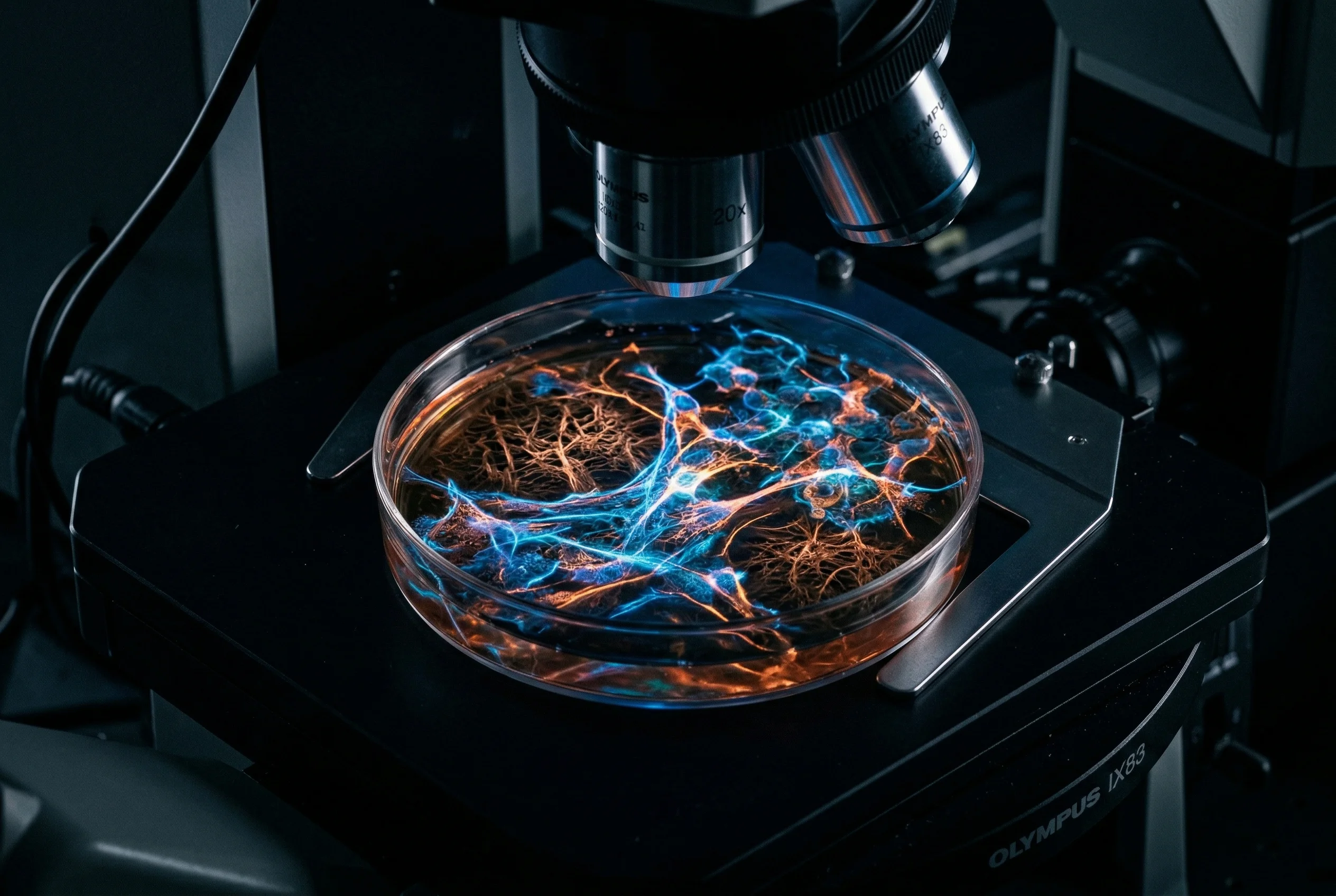
Skin regeneration is the most intensively studied area of application for GHK-Cu. The peptide stimulates both the synthesis and the orderly degradation of collagen and glycosaminoglycans, distinguishing it from simple collagen boosters. This dual action promotes the remodeling of scar tissue into normal tissue, rather than merely increasing collagen production.
In fibroblast cultures, GHK-Cu increased the synthesis of collagen types I and III, decorin, and dermatan sulfate. At the same time, it reduced the expression of interleukin-6 and TNF-alpha, two central inflammatory mediators (Pickart et al., 2015). The antioxidant properties of GHK-Cu additionally contribute to protection against UV-induced oxidative stress; studies demonstrate an upregulation of superoxide dismutase and a reduction of reactive oxygen species in treated skin cells.
Clinical investigations with topical GHK-Cu formulations (concentration 0.1 to 0.3 percent) showed a measurable improvement in skin elasticity and skin density. After 12 weeks of application, a significant reduction in fine wrinkles and an improvement in skin texture were documented. In some parameters, GHK-Cu proved more effective than retinol and vitamin C, the standard reference substances in anti-aging research.
How Does GHK-Cu Influence Wound Healing?
Wound healing research with GHK-Cu encompasses numerous preclinical models. In rabbit models, GHK-Cu accelerated wound contraction, the formation of granulation tissue, and the activity of antioxidant enzymes. The combination with helium-neon laser further enhanced these effects.
A particularly informative experiment utilized collagen wound dressings with incorporated GHK (PIC dressings). In healthy rats, PIC treatment increased collagen synthesis 9-fold compared to the control group. In diabetic rats, which are known to exhibit severely delayed wound healing, PIC treatment demonstrated elevated glutathione and ascorbic acid levels, improved epithelialization, and enhanced activation of fibroblasts and mast cells in the wound area.
GHK-Cu promotes angiogenesis—the formation of new blood vessels in the wound area—through the stimulation of VEGF. This mechanism is critical for supplying the healing tissue with oxygen and nutrients. Simultaneously, GHK-Cu promotes the migration of stem cells into the wound area and supports their differentiation into the required cell types. The half-life of GHK-Cu of approximately 12 hours enables sustained activity within the wound milieu.
What Does the Research Show About GHK-Cu and Hair Growth?
Copper peptides are among the earliest investigated candidates in hair growth research. As early as the 1990s, it was demonstrated that GHK-Cu can influence the size of hair follicles. In vitro studies showed that the tripeptide-copper complex stimulates hair growth and increases the proliferation rate of follicular cells (Kang et al., 2009).
The underlying mechanism involves the Wnt/beta-catenin signaling pathway, which plays a key role in the regulation of the hair cycle. GHK-Cu activates this pathway and thereby promotes the transition of hair follicles from the resting phase (telogen) to the active growth phase (anagen). Additionally, GHK-Cu stimulates the dermal papilla cells, which function as the control center of the hair follicle.
A significant challenge in topical application research is the penetration of the peptide through the scalp. Recent work investigates ionic liquid microemulsions as carrier systems that can significantly improve the bioavailability of GHK-Cu at the hair follicles. Compared to minoxidil and finasteride, GHK-Cu is described in the literature as an alternative with fewer side effects, although direct comparative studies in humans are still pending.
What Potential Does GHK-Cu Hold in Anti-Aging Research?
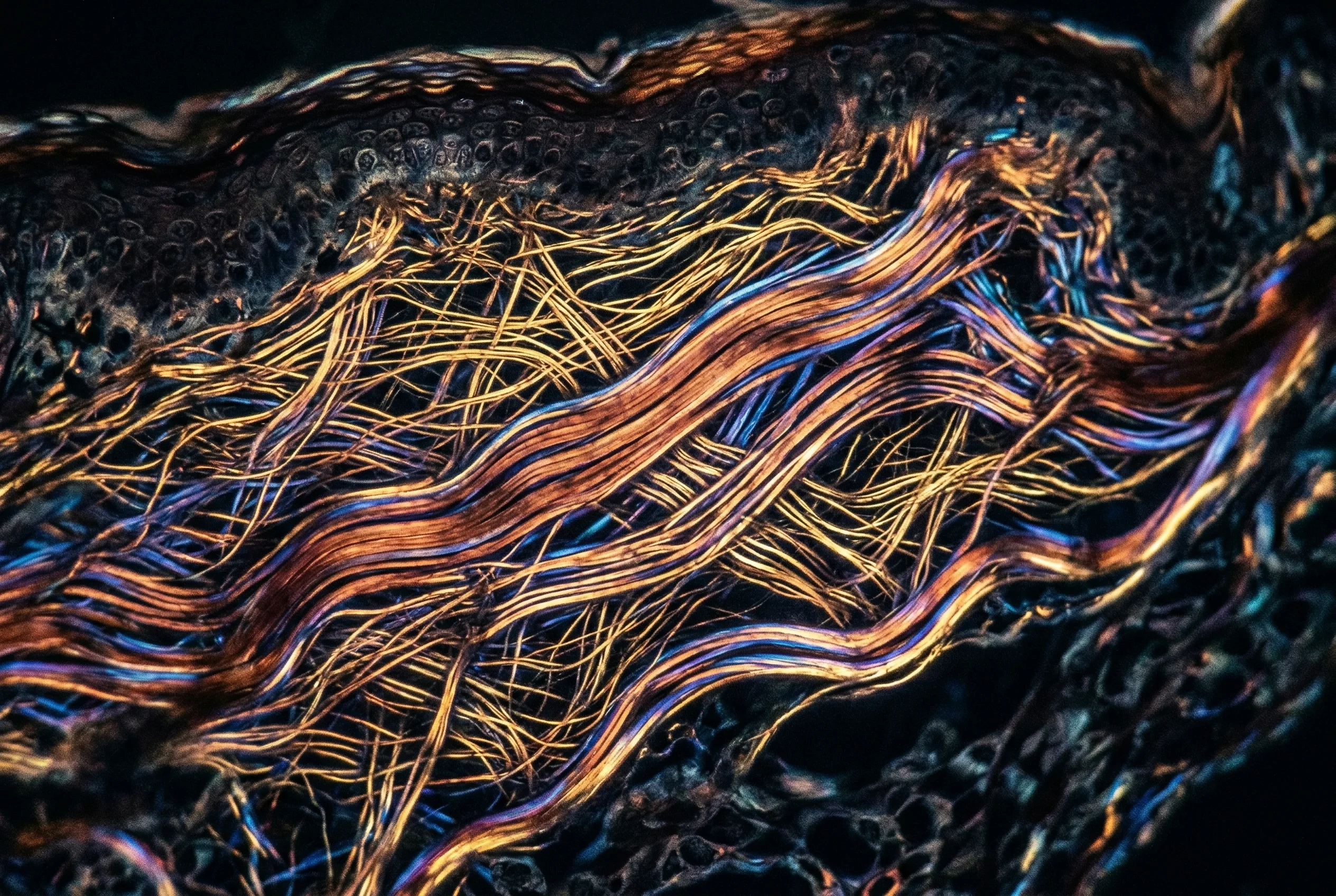
Anti-aging research with GHK-Cu extends far beyond skin cosmetics. The decline in GHK plasma levels with age—from 200 ng/mL to 80 ng/mL—correlates with the general decrease in regenerative capacity. This observation led to the hypothesis that GHK supplementation could partially reverse the age-related decline in regenerative processes.
Gene profiling studies show that GHK modulates pathological gene expression patterns associated with aging toward a younger profile (Pickart et al., 2012). Specifically, GHK activates genes involved in DNA repair, antioxidant defense, and stem cell function, while suppressing genes associated with chronic inflammation and fibrosis. In a mouse model of age-related fibrosis, GHK was able to modulate myofibroblast function and partially reverse fibrotic changes.
The neuroprotective effect of GHK-Cu is another active area of research. Gene expression analyses show that GHK influences genes relevant to nerve growth factors, antioxidant enzymes in the brain, and anti-inflammatory signaling pathways (Pickart et al., 2017). In mice with age-related cognitive impairment, GHK demonstrated a partial improvement in cognitive function through anti-inflammatory and epigenetic mechanisms.
What Research Findings Exist on GHK-Cu for Inflammation and Organ Protection?
Recent studies expand the research spectrum of GHK-Cu beyond skin and hair. A 2025 paper published in Frontiers in Pharmacology investigated the effect of GHK-Cu in an experimental colitis model. The results showed that GHK-Cu binds directly to SIRT1 and forms a protein complex, with the interacting amino acid residues GLU-230 and ASN-226 being identified (Li et al., 2025). This interaction with SIRT1, a key enzyme in cellular stress response and longevity, opens new research directions.
In pulmonary research, it was demonstrated using the Connectivity Map that GHK can reverse gene expression changes associated with emphysematous destruction. Specifically, GHK activated the TGF-beta signaling pathway, which is downregulated in emphysema patients. In a bleomycin-induced fibrosis model, GHK treatment reduced the infiltration of inflammatory cells and interstitial thickening while simultaneously lowering TNF-alpha and IL-6 levels.
The anti-inflammatory effect of GHK-Cu is based on the suppression of the NF-kappaB signaling pathway. NF-kappaB is a central transcription factor that governs the expression of hundreds of pro-inflammatory genes. GHK-Cu inhibits its activation and thereby reduces the production of pro-inflammatory cytokines, chemokines, and adhesion molecules. This broad anti-inflammatory mechanism explains the efficacy of GHK-Cu across various inflammation models.
What Dosages Are Used in Research?
Dosing protocols in GHK-Cu research vary depending on the route of administration and the experimental model. For topical formulations, concentrations of 0.1 to 0.3 percent are used, with efficacy detectable from as low as 0.01 percent. Higher concentrations do not show a proportional increase in effect.
In subcutaneous research protocols, doses of 1 to 4 mg per application are typically employed, with a frequency of 2 to 3 times per week. The half-life of approximately 12 hours with subcutaneous administration allows for flexible protocol design. In cell culture studies, concentrations of 10 to 1,000 nanomolar (nM) are used, with the physiological range at approximately 200 nM.
For research with lyophilized GHK-Cu powder, reconstitution with bacteriostatic water is the standard. The peptide dissolves readily in aqueous solutions due to its high hydrophilicity. After reconstitution, the solution should be stored at 2 to 8 degrees Celsius and used within 28 days. The lyophilized starting material has a shelf life of several years when stored correctly.
How Does GHK-Cu Differ from Other Regenerative Peptides?
Compared to other research peptides, GHK-Cu occupies a unique position as the only peptide that both broadly modulates gene expression and directly delivers an essential trace element (copper) to target cells.
GHK-Cu vs. BPC-157: While BPC-157 primarily acts through the modulation of nitric oxide and the promotion of angiogenesis, GHK-Cu operates at the level of gene expression and the extracellular matrix. BPC-157 has a shorter half-life (approximately 4 hours) and is predominantly used in gastrointestinal and tendon research. GHK-Cu demonstrates its strongest effects in skin regeneration and collagen remodeling.
GHK-Cu vs. TB-500: TB-500 (Thymosin Beta-4 Fragment) primarily acts on actin polymerization and cell migration. With a half-life of approximately 7 hours, it falls between GHK-Cu and BPC-157. TB-500 is particularly established in tissue repair research, while GHK-Cu shows stronger effects on the extracellular matrix and gene regulation.
Synergistic Approach: The combination of GHK-Cu with TB-500 and BPC-157 is being investigated in research, as the three peptides act on complementary biological levels. GHK-Cu modulates the extracellular matrix, TB-500 the cytoskeleton and cell migration, and BPC-157 vascular and inflammation-related signaling pathways. This combination is available in the Glow Stack, which combines all three peptides in a single lyophilized preparation.
Comparison of key peptide properties:
GHK-Cu — Half-life: approx. 12 hours | Primary site of action: extracellular matrix, gene expression | Key receptors: TGF-beta, MMP/TIMP | Research focus: skin regeneration, anti-aging, collagen | Endogenous: yes (plasma component) | Gene modulation: over 4,000 genes
BPC-157 — Half-life: approx. 4 hours | Primary site of action: vascular signaling pathways, NO system | Key receptors: VEGFR2, eNOS | Research focus: gastrointestinal, tendons, inflammation | Endogenous: no (synthetic, derived from gastric juice) | Gene modulation: limited documentation
TB-500 — Half-life: approx. 7 hours | Primary site of action: cytoskeleton, actin polymerization | Key receptors: G-actin, ILK-PI3K-Akt | Research focus: tissue repair, cell migration | Endogenous: yes (Thymosin Beta-4 fragment) | Gene modulation: moderately documented
What Safety Aspects Are Known from Research?
GHK-Cu is regarded in the scientific literature as a well-tolerated peptide with a favorable safety profile. As a natural component of human plasma, it is endogenous to the body and demonstrates no cytotoxic effects at the concentrations studied. This endogenous nature distinguishes GHK-Cu from many synthetic peptides and is one reason for the broad research interest.
In topical application studies, no significant adverse effects have been reported. Allergic reactions to GHK-Cu are extremely rarely documented in the literature, with individuals who have a known copper intolerance or Wilson's disease being an exception. In Wilson's disease, copper metabolism is genetically impaired, and any copper supplementation may be contraindicated. In subcutaneous application research, occasional local reactions at the injection site were observed, including mild redness and transient swelling that typically resolved within 24 hours.
A theoretical concern in research pertains to copper homeostasis: since GHK-Cu delivers copper ions, copper status should be monitored during extended research protocols. However, the amounts delivered through typical research doses (0.5 to 2 mg of copper per application) are well below the recommended daily dietary copper intake of 1 to 3 mg. The LD50 of GHK-Cu in animal models is many times higher than standard research doses, indicating a large therapeutic window.
Interestingly, research also points to potential anti-carcinogenic properties of GHK-Cu. Gene profiling studies showed that GHK upregulates the expression of 54 genes known as tumor suppressors while simultaneously downregulating 48 oncogenic genes (Pickart et al., 2018). These data are preliminary and derive from bioinformatics analyses, but they form the basis for further in vivo studies.
How Should GHK-Cu Be Stored and Handled Correctly?
Proper storage of GHK-Cu is critical for the integrity of the peptide and the reproducibility of research results. Lyophilized GHK-Cu powder is stored at 2 to 8 degrees Celsius in a refrigerator. Under these conditions, the shelf life is several years, as lyophilization prevents degradation through hydrolysis and oxidation.
For reconstitution, bacteriostatic water (with 0.9 percent benzyl alcohol) is recommended. The peptide dissolves quickly and completely; vigorous shaking or vortexing should be avoided, as this can lead to foam and aggregate formation. Gentle swirling is sufficient. The reconstituted solution is stored at 2 to 8 degrees Celsius and used within 28 days.
Light protection is important, as copper chelates can undergo oxidative changes under UV exposure. Amber glass vials or opaque containers are therefore standard in research practice. Repeated freezing and thawing should be avoided; if long-term storage of the reconstituted solution is necessary, aliquoting into single doses is recommended.
What Significance Does GHK-Cu Have for Bone and Cartilage Research?
In addition to skin and hair, GHK-Cu also shows promising results in musculoskeletal research. The peptide stimulates the synthesis of chondroitin sulfate and decorin, two essential components of the cartilage matrix. In chondrocyte cultures, GHK-Cu increased the expression of type II collagen, the main structural protein of hyaline cartilage, as well as aggrecan, the most important proteoglycan for the compressive resistance of articular cartilage.
Bone research benefits from the ability of GHK-Cu to stimulate BMP-2 (bone morphogenetic protein 2). BMP-2 is a critical growth factor for osteoblast differentiation and bone regeneration. In animal models of bone defects, GHK-Cu accelerated new bone formation and improved the mineral density of the regenerated tissue. These findings are particularly relevant against the background of age-associated osteoporosis, where both GHK plasma levels and bone density decline.
Additionally, GHK-Cu modulates the activity of matrix metalloproteinase-13 (MMP-13), an enzyme that is overactive in degenerative joint diseases and contributes to cartilage degradation. The simultaneous upregulation of TIMP-1 and TIMP-2, the natural inhibitors of MMPs, suggests a regulatory influence of GHK-Cu on the balance between matrix synthesis and matrix degradation (Pickart et al., 2015). For cartilage research, this dual mechanism is of particular interest.
What Role Does Copper Play in the GHK-Cu Complex?
The copper component is not merely a passive constituent but actively contributes to the biological effect. Copper(II) ions are essential for the activity of lysyl oxidase, the enzyme that catalyzes the covalent cross-linking of collagen and elastin fibers. Without this cross-linking, collagen fibers would be mechanically unstable, compromising the structural integrity of skin, tendons, and blood vessels.
Superoxide dismutase (Cu/Zn-SOD), another copper-dependent enzyme, is the most important antioxidant enzyme in the cytoplasm. GHK-Cu delivers the copper required by SOD directly to the cell while simultaneously promoting the expression of the SOD gene. This dual mechanism—both substrate delivery and gene activation—explains the strong antioxidant effect of GHK-Cu, which exceeds what would be achievable through simple copper supplementation alone.
The high affinity of GHK for copper(II) ions (binding constant K = 10^−16.44 M) ensures that copper is transported in a bound, controlled form rather than as a free ion causing oxidative stress. This "controlled copper transport" is a key concept in GHK-Cu research: the peptide functions simultaneously as a copper transporter and as a signaling molecule that independently activates cellular processes. Metallothioneins, the most important intracellular copper storage proteins, are also upregulated by GHK-Cu, providing an additional protective mechanism against copper-induced toxicity.
What Are the Current Research Trends for GHK-Cu?
GHK-Cu research is currently experiencing an expansion from classical areas of application (skin, wound healing) toward systemic and neurodegenerative questions. The discovery that GHK-Cu binds directly to SIRT1 (Li et al., 2025) has generated particular interest, as SIRT1 is a central regulator of cellular longevity and stress resistance. SIRT1 activation is associated with caloric restriction and extended lifespan, placing GHK-Cu within the context of longevity research.
Nanomedicine is exploring GHK-Cu as a component of functionalized nanoparticles for targeted drug delivery. Gold nanoparticles with GHK-Cu coating demonstrated improved wound healing and reduced inflammation compared to free GHK-Cu in preclinical studies. Polymeric hydrogels with incorporated GHK-Cu are being developed as next-generation wound dressings that enable controlled release over several days.
In the field of epigenetics, researchers are investigating how GHK-Cu influences DNA methylation and histone modification. Preliminary data suggest that GHK-Cu can partially reverse age-related epigenetic changes, supporting the concept of "epigenetic rejuvenation." This line of research connects GHK-Cu with the broader field of reprogramming research and cellular aging.
Another promising trend is the investigation of GHK-Cu in regenerative dentistry. Studies show that GHK-Cu promotes the differentiation of dental pulp stem cells and stimulates dentin formation. In combination with calcium phosphate scaffolds, GHK-Cu accelerated dentin remineralization and the proliferation of odontoblasts. These findings open perspectives for biological tooth repair as an alternative to conventional filling materials. The broad applicability of GHK-Cu across different tissue types underscores its fundamental role as a regenerative signal of the body.
Frequently Asked Questions
What Is the Difference Between GHK and GHK-Cu?
GHK is the free tripeptide (Glycyl-L-Histidyl-L-Lysine), while GHK-Cu denotes the complex with copper(II) ions. Under physiological conditions, GHK exists almost entirely as GHK-Cu due to its high copper affinity. For research purposes, the copper-chelated form is typically used, as it represents the biologically active species.
At What Concentrations Does GHK-Cu Occur Naturally?
In human blood plasma, the concentration is approximately 200 ng/mL (approx. 10^−7 M) at the age of 20. By the age of 60, it declines to an average of 80 ng/mL. GHK is also released locally upon tissue injury, with local concentrations in the wound area potentially being significantly higher.
Can GHK-Cu Be Combined with Other Peptides?
Synergistic combinations with BPC-157 and TB-500 are being investigated in research, as these peptides act on complementary signaling pathways. The Glow Stack by Bergdorf Bioscience combines GHK-Cu (50 mg), TB-500 (10 mg), and BPC-157 (10 mg) in a single preparation for synergistic research.
How Long Is Reconstituted GHK-Cu Stable?
After reconstitution with bacteriostatic water, the solution should be stored at 2 to 8 degrees Celsius and used within 28 days. Lyophilized powder has a shelf life of several years when stored correctly under refrigeration. Repeated freezing and thawing should be avoided.
What Analytical Methods Are Used for GHK-Cu?
Quality control is primarily carried out using high-performance liquid chromatography (HPLC) for purity determination and mass spectrometry (MS) for identity confirmation. Research-grade preparations should have an HPLC purity of at least 99 percent. Additionally, endotoxin levels are verified using the LAL test (Limulus Amebocyte Lysate) to exclude contamination. Each batch is documented with a Certificate of Analysis (CoA) containing purity, identity, and batch information.
For research purposes only. Not intended for human consumption.
Scientific editor: Dr. Sieglinde Klaus
References
- Pickart L., Margolina A.. Regenerative and Protective Actions of the GHK-Cu Peptide in the Light of the New Gene Data. International Journal of Molecular Sciences. 2018.DOI
- Pickart L., Vasquez-Soltero J., Margolina A.. GHK Peptide as a Natural Modulator of Multiple Cellular Pathways in Skin Regeneration. BioMed Research International. 2015.DOI
- Pickart L., Vasquez-Soltero J., Margolina A.. The Human Tripeptide GHK-Cu in Prevention of Oxidative Stress and Degenerative Conditions of Aging: Implications for Cognitive Health. Oxidative Medicine and Cellular Longevity. 2012.DOI
- Pickart L., Vasquez-Soltero J., Margolina A.. The Effect of the Human Peptide GHK on Gene Expression Relevant to Nervous System Function and Cognitive Decline. Brain Sciences. 2017.DOI
- Mao S., et al. Exploring the beneficial effects of GHK-Cu on an experimental model of colitis and the underlying mechanisms. Frontiers in Pharmacology. 2025.