Research peptide
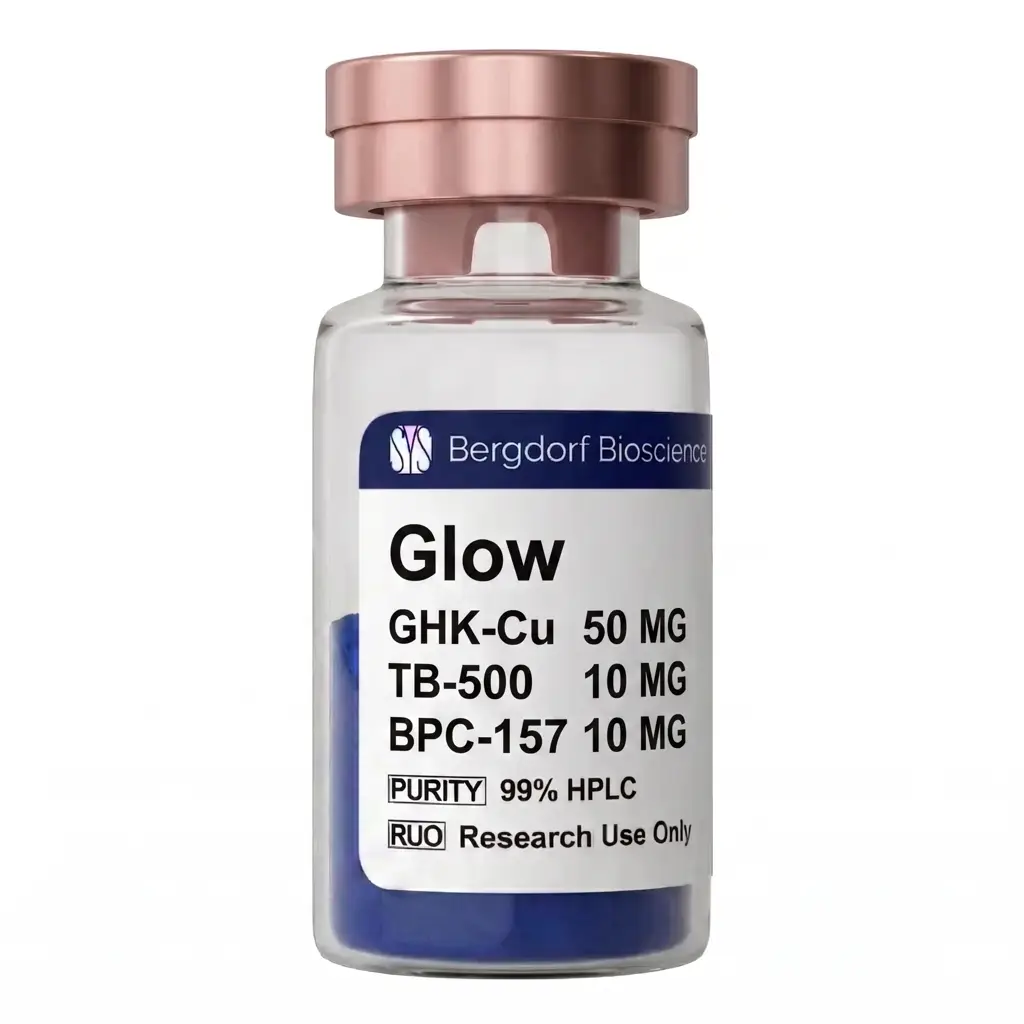
Glow Stack (GHK-Cu 50mg, TB-500 10mg, BPC-157 10mg)
Glow Stack: GHK-Cu 50mg · TB-500 10mg · BPC-157 10mg in one vial. Three peptides studied in regeneration research. ≥99% purity, CoA. Fast EU shipping.

Research peptide
Glow Stack: GHK-Cu 50mg · TB-500 10mg · BPC-157 10mg in one vial. Three peptides studied in regeneration research. ≥99% purity, CoA. Fast EU shipping.
Research peptide
Glow Stack: GHK-Cu 50mg · TB-500 10mg · BPC-157 10mg in one vial. Three peptides studied in regeneration research. ≥99% purity, CoA. Fast EU shipping.
Ist gut verpackt angekommen und wirkt
Ist gut verpackt angekommen und wirkt
/ vial
Order today → Delivery Mon, Sep 28 – Tue, Oct 06 to United States
Payment Methods







/ vial
Order today → Delivery Mon, Sep 28 – Tue, Oct 06 to United States
Payment Methods
Independently verified quality
3,000+
satisfied researchers
99.43%
Avg. purity 2026
4.8 ★
ProvenExpert
99.43%
Avg. purity 2026
4.8 ★
ProvenExpert
3,000+ satisfied researchers
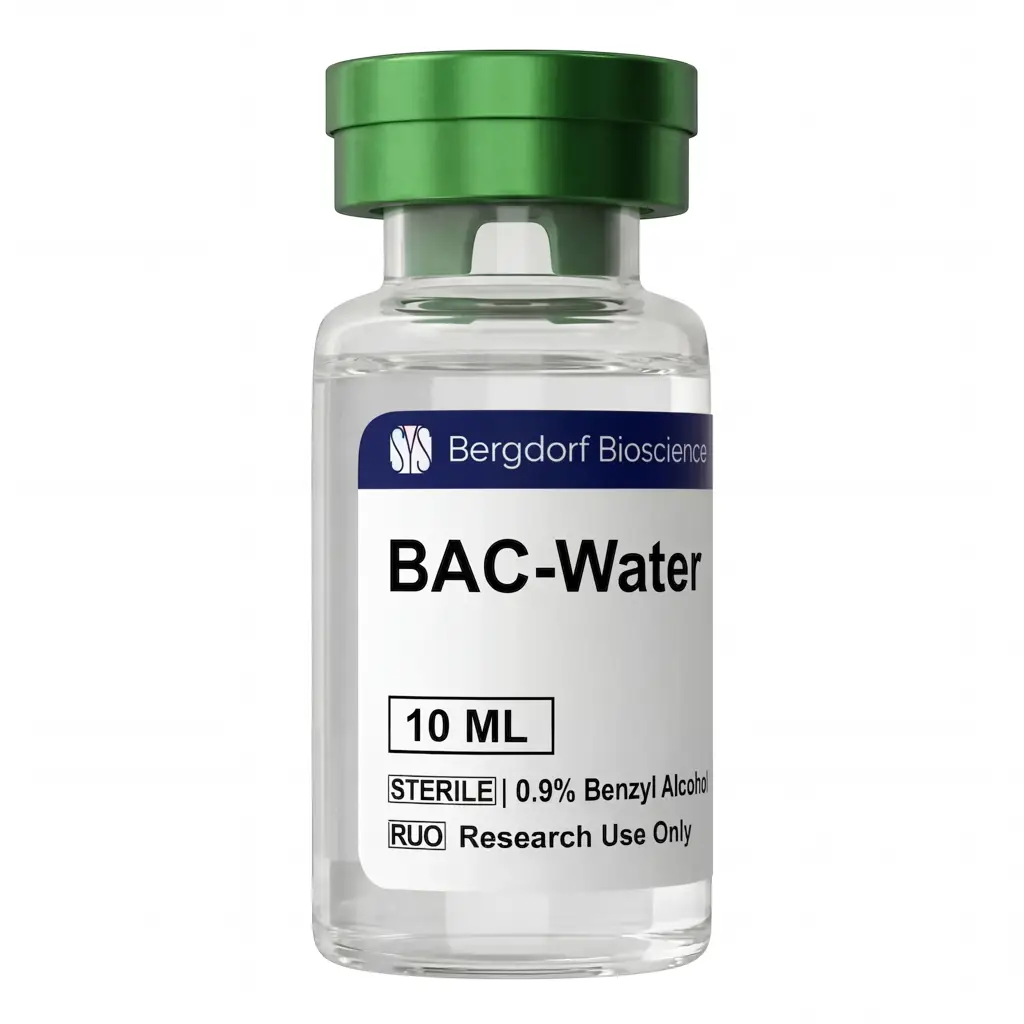
Glow 50mg + TB500 10mg + BPC157 10mg - 1 Pack vial + 2 ml BAC water → concentration:
Per unit (10 IU)
3.50 mg
Research details
The Glow Stack brings together three of the most extensively researched peptides in modern biomedicine in a single lyophilized preparation: GHK-Cu (50 mg), TB-500 (10 mg), and BPC-157 (10 mg). This combination was developed for research purposes to enable the investigation of synergistic interactions among three peptides with complementary mechanisms of action within a controlled experimental framework.
GHK-Cu, also known as copper peptide, is a naturally occurring tripeptide (Glycyl-L-Histidyl-L-Lysine) first isolated from human blood plasma in 1973. In its copper(II)-bound form, GHK-Cu demonstrates a remarkable capacity in research to modulate the expression of genes involved in collagen and elastin synthesis. Studies suggest that GHK-Cu influences the production of extracellular matrix proteins via the TGF-beta signaling pathway. With a half-life of approximately 12 hours, this copper peptide is particularly well suited for experimental designs requiring sustained exposure over extended periods. In the scientific literature, GHK-Cu has also been associated with antioxidant properties and the regulation of metalloproteinases.
TB-500 is a synthetic fragment of the endogenous protein Thymosin Beta-4, which is present in virtually all cell types. The central function of TB-500 in research lies in its effect on actin polymerization, a fundamental process governing cell structure and motility. Experimental data indicate that TB-500 can promote the migration of endothelial cells and keratinocytes, making it a significant subject of tissue regeneration research. The half-life of TB-500 is approximately 7 hours, allowing for flexible dosing schedules in research protocols.
BPC-157, formally known as Body Protection Compound-157, is a synthetic pentadecapeptide derived from a protective protein found in gastric juice. Preclinical studies have demonstrated that BPC-157 acts through the modulation of nitric oxide (NO) and the promotion of angiogenesis. With a shorter half-life of approximately 4 hours, BPC-157 exhibits rapid bioavailability, which is often accounted for in research through adjusted administration intervals. The scientific literature on BPC-157 now encompasses several hundred publications covering a wide range of experimental models.
The combination of these three peptides in the Glow Stack is of particular interest to researchers because their mechanisms of action operate on distinct yet interconnected biological levels. While GHK-Cu primarily targets the extracellular matrix and gene expression, TB-500 influences the cytoskeleton and cell migration, and BPC-157 modulates vascular and inflammation-related signaling pathways. This mechanistic complementarity makes the Glow Stack a valuable tool for multifactorial research approaches.
All three components are supplied as lyophilized powder with HPLC-confirmed purity of at least 99 percent. Lyophilization ensures excellent storage stability and allows for precise reconstitution with the solvent of choice. Each batch undergoes analysis by high-performance liquid chromatography and mass spectrometry to verify identity and purity. The Glow Stack is intended exclusively for research purposes and is not approved for human consumption. Researchers seeking to purchase a peptide stack that combines three complementary research peptides in a single preparation will find the Glow Stack a quality-assured solution for the scientific laboratory.
Kombinierter Wirkmechanismus: GHK-Cu aktiviert Kollagen-/Elastinsynthese und Wundheilung über TGF-beta; TB-500 fördert Aktin-Polymerisation und Zellmigration; BPC-157 moduliert NO-System und fördert Angiogenese.
Advanced protocol
Research-dependent. Individual component doses combined in one vial.
Note: The dosages listed correspond to typical ranges from published research literature. They do not replace advice from a qualified researcher or physician.
Every batch is analyzed by an independent laboratory via HPLC before shipment. We document purity (avg. 99.43% in 2026), mass spectrometry identity, and sterility. Production follows GMP standards in ISO-certified laboratories.
The Glow Stack is a combination of GHK-Cu (50mg), TB-500 (10mg), and BPC-157 (10mg) in a single vial. The three peptides complement each other in their research applications.
Independently verified quality
3,000+
satisfied researchers
99.43%
Avg. purity 2026
4.8 ★
ProvenExpert
99.43%
Avg. purity 2026
4.8 ★
ProvenExpert
3,000+ satisfied researchers
Glow 50mg + TB500 10mg + BPC157 10mg - 1 Pack vial + 2 ml BAC water → concentration:
Per unit (10 IU)
3.50 mg
Research details
The Glow Stack brings together three of the most extensively researched peptides in modern biomedicine in a single lyophilized preparation: GHK-Cu (50 mg), TB-500 (10 mg), and BPC-157 (10 mg). This combination was developed for research purposes to enable the investigation of synergistic interactions among three peptides with complementary mechanisms of action within a controlled experimental framework.
GHK-Cu, also known as copper peptide, is a naturally occurring tripeptide (Glycyl-L-Histidyl-L-Lysine) first isolated from human blood plasma in 1973. In its copper(II)-bound form, GHK-Cu demonstrates a remarkable capacity in research to modulate the expression of genes involved in collagen and elastin synthesis. Studies suggest that GHK-Cu influences the production of extracellular matrix proteins via the TGF-beta signaling pathway. With a half-life of approximately 12 hours, this copper peptide is particularly well suited for experimental designs requiring sustained exposure over extended periods. In the scientific literature, GHK-Cu has also been associated with antioxidant properties and the regulation of metalloproteinases.
TB-500 is a synthetic fragment of the endogenous protein Thymosin Beta-4, which is present in virtually all cell types. The central function of TB-500 in research lies in its effect on actin polymerization, a fundamental process governing cell structure and motility. Experimental data indicate that TB-500 can promote the migration of endothelial cells and keratinocytes, making it a significant subject of tissue regeneration research. The half-life of TB-500 is approximately 7 hours, allowing for flexible dosing schedules in research protocols.
BPC-157, formally known as Body Protection Compound-157, is a synthetic pentadecapeptide derived from a protective protein found in gastric juice. Preclinical studies have demonstrated that BPC-157 acts through the modulation of nitric oxide (NO) and the promotion of angiogenesis. With a shorter half-life of approximately 4 hours, BPC-157 exhibits rapid bioavailability, which is often accounted for in research through adjusted administration intervals. The scientific literature on BPC-157 now encompasses several hundred publications covering a wide range of experimental models.
The combination of these three peptides in the Glow Stack is of particular interest to researchers because their mechanisms of action operate on distinct yet interconnected biological levels. While GHK-Cu primarily targets the extracellular matrix and gene expression, TB-500 influences the cytoskeleton and cell migration, and BPC-157 modulates vascular and inflammation-related signaling pathways. This mechanistic complementarity makes the Glow Stack a valuable tool for multifactorial research approaches.
All three components are supplied as lyophilized powder with HPLC-confirmed purity of at least 99 percent. Lyophilization ensures excellent storage stability and allows for precise reconstitution with the solvent of choice. Each batch undergoes analysis by high-performance liquid chromatography and mass spectrometry to verify identity and purity. The Glow Stack is intended exclusively for research purposes and is not approved for human consumption. Researchers seeking to purchase a peptide stack that combines three complementary research peptides in a single preparation will find the Glow Stack a quality-assured solution for the scientific laboratory.
Kombinierter Wirkmechanismus: GHK-Cu aktiviert Kollagen-/Elastinsynthese und Wundheilung über TGF-beta; TB-500 fördert Aktin-Polymerisation und Zellmigration; BPC-157 moduliert NO-System und fördert Angiogenese.
Advanced protocol
Research-dependent. Individual component doses combined in one vial.
Note: The dosages listed correspond to typical ranges from published research literature. They do not replace advice from a qualified researcher or physician.
Every batch is analyzed by an independent laboratory via HPLC before shipment. We document purity (avg. 99.43% in 2026), mass spectrometry identity, and sterility. Production follows GMP standards in ISO-certified laboratories.
The Glow Stack is a combination of GHK-Cu (50mg), TB-500 (10mg), and BPC-157 (10mg) in a single vial. The three peptides complement each other in their research applications.

Glow Stack Peptide: GHK-Cu 50mg + TB-500 10mg + BPC-157 10mg. Dosage, effects and application in a research guide. ≥99% purity.
Kupferpeptide Haut in der Forschung: GHK-Cu und AHK-Cu zu Kollagen, Elastin und Haarfollikeln. Studienlage neutral erklärt.
Glow Stack Peptide: GHK-Cu 50mg + TB-500 10mg + BPC-157 10mg. Dosage, effects and application in a research guide. ≥99% purity.
Kupferpeptide Haut in der Forschung: GHK-Cu und AHK-Cu zu Kollagen, Elastin und Haarfollikeln. Studienlage neutral erklärt.