
Изчислете точни обеми за реконституция, инсулинови единици и дози на флакон за всеки пептид.
Флаконът, водата и дозата са известни
Деленията измерват обем, не активно вещество. 10 IU = 0,10 ml. Колко mg има в тях зависи от разтварянето. Калкулаторът го е изчислил вместо Вас.
Почти всички инсулинови спринцовки са U-100. Изберете U-40 само ако на спринцовката пише U-40.
Свързаните източници водят към PubMed и се отварят в нов раздел.
Научен профил
Retatrutide в Пептидния лексикон: механизъм на действие, ниво на доказателства и източници
Допълнителен инструмент
Вижте колко дълго Retatrutide остава в организма Ви
Retatrutide (also known as LY3437943) is a first-in-class triple receptor agonist — one of the most ambitious molecules in modern metabolic peptide research. Unlike pure GLP-1 agonists such as semaglutide or dual agonists like tirzepatide, retatrutide simultaneously activates three distinct receptors: the glucagon-like peptide-1 receptor (GLP-1R), the glucose-dependent insulinotropic polypeptide receptor (GIPR), and the glucagon receptor (GCGR). This tri-receptor activation sets retatrutide apart from every other peptide currently in this class.
The GLP-1 component increases insulin secretion in a glucose-dependent manner and slows gastric emptying — both classical mechanisms that reduce appetite and caloric intake. The GIP component enhances insulin sensitivity and acts additively with GLP-1 to drive weight loss. The glucagon component, the third pillar, raises resting energy expenditure by stimulating hepatic lipolysis and producing thermogenic effects. The convergence of all three pathways produces weight loss results that are, based on current trial data, unprecedented in the pharmacological literature.
Eli Lilly is developing retatrutide through ongoing Phase II and Phase III trials (as of 2026). Phase II data published in the New England Journal of Medicine demonstrated a mean body-weight reduction of up to 24.2% at the highest dose group after 48 weeks — a figure previously achievable only through bariatric surgery. Retatrutide is not an approved medicine and remains strictly in the research phase.
For researchers working with this peptide, the Retatrutide Calculator on this page provides a practical tool for computing injection volumes and reconstitution concentrations. Retatrutide is available as a research peptide from BergdorfBio: Retatrutide at BergdorfBio.
Retatrutide dosing follows a strict titration protocol designed specifically to minimize gastrointestinal side effects. Because of the triple receptor activation, the body is more sensitive to retatrutide than to simple GLP-1 agonists — a particularly gradual up-titration is therefore essential.
The starting dose is 0.5 mg per week, which is low even by the standards of this peptide class. This is not arbitrary: trial data shows that faster dose escalation leads to pronounced nausea, vomiting, and fatigue that occur far less frequently with a slower approach.
The formula for calculating injection volume — which the Retatrutide Calculator applies automatically — is:
Injection volume (mL) = Target dose (mg) ÷ Concentration (mg/mL)
Concentration = Peptide amount in vial (mg) ÷ Bacteriostatic water added (mL)
Example: A 10 mg vial reconstituted with 2 mL bacteriostatic water (BAC water) gives a concentration of 10 ÷ 2 = 5 mg/mL. To inject 0.5 mg, you draw 0.5 ÷ 5 = 0.10 mL (10 units on a U100 insulin syringe).
Injection volumes across the titration schedule (at 5 mg/mL concentration):
At higher doses, splitting the volume across two separate injection sites is advisable to reduce local irritation. Suitable sites include the abdomen, thigh, and upper arm — always subcutaneously (just beneath the skin, not intramuscular).
The titration schedule used in Eli Lilly's Phase II clinical trials calls for dose increases every four weeks. This pacing gives the gastrointestinal tract adequate time to adapt at each level before proceeding higher.
| Weeks | Dose | Volume (at 5 mg/mL) |
|---|---|---|
| Weeks 1–4 | 0.5 mg | 0.10 mL / 10 units |
| Weeks 5–8 | 1 mg | 0.20 mL / 20 units |
| Weeks 9–12 | 2 mg | 0.40 mL / 40 units |
| Weeks 13–16 | 4 mg | 0.80 mL / 80 units |
| Weeks 17–20 | 8 mg | 1.60 mL / 160 units |
| Week 21+ | 12 mg | 2.40 mL / 240 units |
If side effects emerge, hold the current dose for an additional four-week period before escalating further. Not all researchers reach the maximum 12 mg dose — many maintain at 4 or 8 mg once a satisfactory response is achieved.
For comparison, the Semaglutide Calculator and the Tirzepatide Calculator offer analogous titration support for the related GLP-1 peptides.
Reconstituting retatrutide powder requires careful, sterile technique. The lyophilized powder is sensitive to mechanical stress — vigorous shaking can damage the peptide structure and reduce potency.
Materials needed:
Step-by-step procedure:
Retatrutide is significantly more stable as a lyophilized (freeze-dried) powder than as a reconstituted solution. Storage recommendations differ depending on the form:
Lyophilized powder (unopened):
Reconstituted solution (after dissolving):
Important: never expose retatrutide to direct sunlight or heat sources. Always store solution vials in a light-protective container. If the solution becomes cloudy, forms particulates, or changes color, do not use it.
A common storage error is placing vials in the refrigerator door — temperature fluctuations there are greater due to frequent opening. The inner shelf (rear) provides the most stable conditions.
As a triple agonist, retatrutide carries a broader side effect profile than pure GLP-1 agonists. Clinical trials report the following:
Common side effects (observed in >10% of participants in Phase II trials):
Rare but serious risks:
Contraindications based on current research data include: personal or family history of medullary thyroid carcinoma (MTC), Multiple Endocrine Neoplasia Type 2 (MEN 2), active pancreatitis, and severe renal or hepatic impairment.
Retatrutide is not an approved medication and is used exclusively for research purposes. Any human application is at the individual's own risk and should be conducted under medical supervision.
Retatrutide differs from other GLP-1 peptides in another important respect: because it already provides triple receptor activation, it is typically used as a standalone peptide in research contexts. Combining it with other GLP-1, GIP, or glucagon agonists would risk unpredictable overstimulation of the targeted receptors and is inadvisable on safety grounds.
Some researchers combine retatrutide with peptide compounds that have no GLP-1/GIP/GCG activity. In such cases the following considerations apply:
Bottom line: retatrutide should generally be treated as a monotherapy in research contexts. If you are looking for a dual agonist with broader combination potential, the Tirzepatide Calculator and related information pages may be more relevant.
Retatrutide is the only peptide in its class to simultaneously activate GLP-1, GIP, and glucagon receptors (triple agonist). Semaglutide is a pure GLP-1 agonist; tirzepatide activates GLP-1 and GIP (dual agonist). The glucagon component in retatrutide raises basal metabolic rate and increases fat oxidation through an independent mechanism, which may explain the superior weight-reduction outcomes observed in trials.
Appetite-reducing effects are often noticeable after the second or third injection. Measurable changes in body weight typically appear after 4–8 weeks. Maximum effect is expected after 24–48 weeks of continuous use, as the peptide requires slow titration before reaching therapeutic doses.
The terminal half-life is approximately 6 days, enabling a convenient once-weekly injection schedule. Semaglutide has a similar half-life of approximately 7 days; tirzepatide is around 5 days.
No. As of 2026, retatrutide is in Phase III development by Eli Lilly and has not been approved by the FDA or EMA as a medication. It is used exclusively for research purposes.
For the starting dose (0.5 mg) and low doses up to 2 mg, 0.3 mL U100 insulin syringes are well-suited. For doses from 4 mg upward, a 1 mL syringe is more practical. At 8 mg and 12 mg, splitting the volume across two injections is recommended.
The lyophilized powder (unopened) can be stored at -20 °C for up to 36 months. Reconstituted solutions should preferably not be frozen, as repeated freeze-thaw cycles can damage the peptide structure. If freezing is necessary, limit freeze-thaw cycles to one or two.
Mild nausea in the hours following injection is normal and usually subsides within a few hours. Helpful measures include: small frequent meals, a low-fat diet, adequate hydration, and avoiding strong odors. If nausea persists beyond 24 hours or is accompanied by vomiting, maintain the current dose for another week or reduce to the previous dose level.
Pharmaceutical-grade retatrutide (used in clinical trials) is manufactured under Good Manufacturing Practice (GMP) with analytically verified purity profiles and sterile finished preparations. Research peptides can vary in purity and sterility. Choosing a supplier with transparent certificates of analysis (COA, HPLC, MS) is therefore critical.
Medical Disclaimer: All content on this page is provided for informational and research purposes only. Retatrutide is not an approved medication. The information provided here does not constitute medical advice, diagnosis, or treatment recommendation and is not a substitute for consultation with a qualified physician or healthcare professional. Human application of peptides outside clinical trials is the sole responsibility of the individual. BergdorfBio accepts no liability for any harm resulting from the improper use of research peptides.
От прах до готова спринцовка в пет стъпки. Количествата Ви предоставя калкулаторът по-горе автоматично.
Доведете флакона и водата до стайна температура. Избършете и двете гумени запушалки с тампон със спирт.
Изтеглете препоръчаното от калкулатора количество BAC вода с по-голяма спринцовка.
Оставете водата да се стича по стъклената стена във флакона с пептида, не я впръсквайте директно върху праха.
Завъртете флакона внимателно, не разклащайте. Прахът се разтваря до бистро за 1-2 минути.
С инсулиновата спринцовка изтеглете точно до изчисленото деление. Готово.
Типични начални стойности за ориентир. Всеки ред отваря калкулатора за съответния пептид.
| Пептид | Категория | Обичайна доза | Размери на флакони | BAC (начало) | Наличност | Изчисли |
|---|---|---|---|---|---|---|
| VIP | Изследване на невропептиди | - | 10 mg | 2 ml | Само калкулатор | Изчисли |
| Retatrutide | GLP-1/GIP/GCG | 0,5-12 mg | 2 / 5 / 10 / 15 mg | 2 ml | Само калкулатор | Изчисли |
| Cagrilintide | Аналог на амилин | - | 5 mg | 2 ml | Само калкулатор | Изчисли |
| Semaglutide | GLP-1 | 0,25-2,4 mg | 2 / 5 / 10 mg | 2 ml | Само калкулатор | Изчисли |
| Tirzepatide | GLP-1/GIP | 2,5-15 mg | 10 / 15 / 20 / 30 / 60 / 90 mg | 2 ml | Само калкулатор | Изчисли |
| GHK-Cu | Меден пептид | 1-4 mg | 10 / 20 / 50 mg | 5 ml | Само калкулатор | Изчисли |
| AHK-Cu | Меден пептид | - | 100 mg | 5 ml | Само калкулатор | Изчисли |
| BPC-157 | Възстановяване на тъкани | 0,2-0,5 mg | 2 / 5 / 10 mg | 2 ml | Само калкулатор | Изчисли |
| TB-500 | Тимозин β4 | 2-5 mg | 2 / 5 / 10 mg | 2 ml | Само калкулатор | Изчисли |
| CJC-1295 (без DAC) | GHRH аналог | 100-200 mcg | 2 / 5 / 10 mg | 2 ml | Само калкулатор | Изчисли |
| Ipamorelin | GHRP | 200-300 mcg | 2 / 5 mg | 2 ml | Само калкулатор | Изчисли |
| AOD-9604 | Изгаряне на мазнини | 250-500 mcg | 2 / 5 mg | 2 ml | Само калкулатор | Изчисли |
| PT-141 | Бремеланотид | - | 2 / 5 / 10 mg | 2 ml | Само калкулатор | Изчисли |
| MOTS-c | Митохондриален | 5-10 mg | 5 / 10 mg | 2 ml | Само калкулатор | Изчисли |
| Селанк (Selank) | Анксиолитик | 150-500 mcg | 2 / 5 / 10 mg | 2 ml | Само калкулатор | Изчисли |
| SS-31 | Еламипретид | 0,1-1 mg | 5 / 10 mg | 2 ml | Само калкулатор | Изчисли |
| Glow Stack | Stack | 0,5-2 mg | 70 mg | 3 ml | Само калкулатор | Изчисли |
| Klow Stack | Stack | 0,5-2 mg | 55 mg | 3 ml | Само калкулатор | Изчисли |
| Melanotan II | Меланокортин | 100-1000 mcg | 5 / 10 mg | 2 ml | Само калкулатор | Изчисли |
| Melanotan I | Меланокортин | - | 5 / 10 mg | 2 ml | Само калкулатор | Изчисли |
| Серморелин (Sermorelin) | Аналог на GHRH | 50-300 mcg | 5 mg | 2 ml | Само калкулатор | Изчисли |
| Tesamorelin | GHRH аналог | 1-2 mg | 10 / 20 mg | 2 ml | Само калкулатор | Изчисли |
| Thymosin Alpha-1 | Тимусен пептид | 0,8-3,2 mg | 1.6 / 5 / 10 mg | 1 ml | Само калкулатор | Изчисли |
| Epithalon | Дълголетие | 2-10 mg | 10 / 20 / 50 mg | 2 ml | Само калкулатор | Изчисли |
| KPV | Имунна / Бариера | 100-1000 mcg | 5 / 10 mg | 2 ml | Само калкулатор | Изчисли |
| HGH Fragment 176-191 | Метаболитен фрагмент | 100-500 mcg | 2 / 5 / 10 mg | 2 ml | Само калкулатор | Изчисли |
| Semax | Когнитивен | 100-1000 mcg | 10 / 30 mg | 2 ml | Само калкулатор | Изчисли |
| N-Acetyl Semax | Когнитивен | 100-1000 mcg | 5 / 10 mg | 2 ml | Само калкулатор | Изчисли |
| Hexarelin | GHRP | 50-200 mcg | 2 / 5 mg | 2 ml | Само калкулатор | Изчисли |
| GHRP-6 | GHRP | 50-300 mcg | 2 / 5 mg | 2 ml | Само калкулатор | Изчисли |
| GHRP-2 | GHRP | 50-250 mcg | 2 / 5 mg | 2 ml | Само калкулатор | Изчисли |
| DSIP | Сън | 50-500 mcg | 10 mg | 2 ml | Само калкулатор | Изчисли |
| 5-Amino-1MQ | Метаболитен | 2,5-10 mg | 10 mg | 2 ml | Само калкулатор | Изчисли |
| Пинеалон (Pinealon) | Изследователски пептид | - | 10 mg | 2 ml | Само калкулатор | Изчисли |
| Сурводутид (Survodutide) | GLP-1/глюкагон | - | 10 mg | 2 ml | Само калкулатор | Изчисли |
| Киспептин-10 (Kisspeptin-10) | KISS1R / GPR54 | - | 10 mg | 2 ml | Само калкулатор | Изчисли |
| HGH 191AA | Хормон на растежа | 1-5 mg | 10 mg | 1 ml | Само калкулатор | Изчисли |
| NAD+ | Дълголетие / Кофактор | 100-500 mg | 1000 mg | 10 ml | Само калкулатор | Изчисли |
Стойностите служат за ориентир в изследователски контекст и не заместват професионална консултация.
Правилното изчисляване на концентрацията и обема на инжекцията изглежда тривиално, но е най-честият източник на грешки. Дори грешка от 10 % при разтварянето означава, че получавате или твърде малко активно вещество, или непреднамерено предозирате.
Лиофилизираните пептиди се доставят в милиграми и се разтварят в бактериостатична вода (BAC вода). Съотношението на пептида към водата определя концентрацията, а от нея следва колко деления изтегляте на инсулиновата спринцовка. Инсулиновите спринцовки са скалирани в единици, не в милиграми. Това преобразуване извършва калкулаторът, включително проверката за достоверност срещу най-опасната грешка: бъркането на mg и mcg.
Милиграмът (mg) е единицата, в която се продават лиофилизираните пептиди, например „5 mg BPC-157“. Микрограмът (mcg) измерва единичната доза, например „250 mcg на инжекция“. 1 mg = 1000 mcg. Калкулаторът преобразува автоматично и предупреждава, когато въведена стойност изглежда като объркване.
U-100 означава, че спринцовката е калибрирана за 100 единици на милилитър. 100 IU = 1 ml, тоест 10 IU = 0,10 ml, независимо от това какво има в спринцовката. Именно на тази зависимост се основава изчислението на IU.
При много пептид и малко вода разтворът става много концентриран, тоест обемът на доза е минимален и труден за отчитане. Използвайте помощника за разтваряне: той намира количеството вода, което дава чисто, лесно за отчитане деление.
В хладилник при 2-8 °C обикновено 21-30 дни. Обозначете флакона с датата на разтваряне. Мътни разтвори или частици са причина за изхвърляне.
Смесите съдържат няколко активни вещества в един флакон. Просто изберете сместа като пептид: калкулаторът показва допълнително колко от всеки компонент се съдържа във Вашата инжекция. За комбинации от няколко отделни флакона използвайте Stack Builder.
Не. Последните Ви настройки се запазват локално в браузъра и се възстановяват при следващото посещение. Освен това можете да извиквате изчисления от историята, да ги запазвате като протокол или да ги споделяте като връзка.
Изберете пептид, за да отворите страницата му на калкулатора с предварително попълнени стойности.
Изчислете точни обеми за реконституция, инсулинови единици и дози на флакон за всеки пептид.
Флаконът, водата и дозата са известни
Деленията измерват обем, не активно вещество. 10 IU = 0,10 ml. Колко mg има в тях зависи от разтварянето. Калкулаторът го е изчислил вместо Вас.
Почти всички инсулинови спринцовки са U-100. Изберете U-40 само ако на спринцовката пише U-40.
Свързаните източници водят към PubMed и се отварят в нов раздел.
Научен профил
Retatrutide в Пептидния лексикон: механизъм на действие, ниво на доказателства и източници
Допълнителен инструмент
Вижте колко дълго Retatrutide остава в организма Ви
Retatrutide (also known as LY3437943) is a first-in-class triple receptor agonist — one of the most ambitious molecules in modern metabolic peptide research. Unlike pure GLP-1 agonists such as semaglutide or dual agonists like tirzepatide, retatrutide simultaneously activates three distinct receptors: the glucagon-like peptide-1 receptor (GLP-1R), the glucose-dependent insulinotropic polypeptide receptor (GIPR), and the glucagon receptor (GCGR). This tri-receptor activation sets retatrutide apart from every other peptide currently in this class.
The GLP-1 component increases insulin secretion in a glucose-dependent manner and slows gastric emptying — both classical mechanisms that reduce appetite and caloric intake. The GIP component enhances insulin sensitivity and acts additively with GLP-1 to drive weight loss. The glucagon component, the third pillar, raises resting energy expenditure by stimulating hepatic lipolysis and producing thermogenic effects. The convergence of all three pathways produces weight loss results that are, based on current trial data, unprecedented in the pharmacological literature.
Eli Lilly is developing retatrutide through ongoing Phase II and Phase III trials (as of 2026). Phase II data published in the New England Journal of Medicine demonstrated a mean body-weight reduction of up to 24.2% at the highest dose group after 48 weeks — a figure previously achievable only through bariatric surgery. Retatrutide is not an approved medicine and remains strictly in the research phase.
For researchers working with this peptide, the Retatrutide Calculator on this page provides a practical tool for computing injection volumes and reconstitution concentrations. Retatrutide is available as a research peptide from BergdorfBio: Retatrutide at BergdorfBio.
Retatrutide dosing follows a strict titration protocol designed specifically to minimize gastrointestinal side effects. Because of the triple receptor activation, the body is more sensitive to retatrutide than to simple GLP-1 agonists — a particularly gradual up-titration is therefore essential.
The starting dose is 0.5 mg per week, which is low even by the standards of this peptide class. This is not arbitrary: trial data shows that faster dose escalation leads to pronounced nausea, vomiting, and fatigue that occur far less frequently with a slower approach.
The formula for calculating injection volume — which the Retatrutide Calculator applies automatically — is:
Injection volume (mL) = Target dose (mg) ÷ Concentration (mg/mL)
Concentration = Peptide amount in vial (mg) ÷ Bacteriostatic water added (mL)
Example: A 10 mg vial reconstituted with 2 mL bacteriostatic water (BAC water) gives a concentration of 10 ÷ 2 = 5 mg/mL. To inject 0.5 mg, you draw 0.5 ÷ 5 = 0.10 mL (10 units on a U100 insulin syringe).
Injection volumes across the titration schedule (at 5 mg/mL concentration):
At higher doses, splitting the volume across two separate injection sites is advisable to reduce local irritation. Suitable sites include the abdomen, thigh, and upper arm — always subcutaneously (just beneath the skin, not intramuscular).
The titration schedule used in Eli Lilly's Phase II clinical trials calls for dose increases every four weeks. This pacing gives the gastrointestinal tract adequate time to adapt at each level before proceeding higher.
| Weeks | Dose | Volume (at 5 mg/mL) |
|---|---|---|
| Weeks 1–4 | 0.5 mg | 0.10 mL / 10 units |
| Weeks 5–8 | 1 mg | 0.20 mL / 20 units |
| Weeks 9–12 | 2 mg | 0.40 mL / 40 units |
| Weeks 13–16 | 4 mg | 0.80 mL / 80 units |
| Weeks 17–20 | 8 mg | 1.60 mL / 160 units |
| Week 21+ | 12 mg | 2.40 mL / 240 units |
If side effects emerge, hold the current dose for an additional four-week period before escalating further. Not all researchers reach the maximum 12 mg dose — many maintain at 4 or 8 mg once a satisfactory response is achieved.
For comparison, the Semaglutide Calculator and the Tirzepatide Calculator offer analogous titration support for the related GLP-1 peptides.
Reconstituting retatrutide powder requires careful, sterile technique. The lyophilized powder is sensitive to mechanical stress — vigorous shaking can damage the peptide structure and reduce potency.
Materials needed:
Step-by-step procedure:
Retatrutide is significantly more stable as a lyophilized (freeze-dried) powder than as a reconstituted solution. Storage recommendations differ depending on the form:
Lyophilized powder (unopened):
Reconstituted solution (after dissolving):
Important: never expose retatrutide to direct sunlight or heat sources. Always store solution vials in a light-protective container. If the solution becomes cloudy, forms particulates, or changes color, do not use it.
A common storage error is placing vials in the refrigerator door — temperature fluctuations there are greater due to frequent opening. The inner shelf (rear) provides the most stable conditions.
As a triple agonist, retatrutide carries a broader side effect profile than pure GLP-1 agonists. Clinical trials report the following:
Common side effects (observed in >10% of participants in Phase II trials):
Rare but serious risks:
Contraindications based on current research data include: personal or family history of medullary thyroid carcinoma (MTC), Multiple Endocrine Neoplasia Type 2 (MEN 2), active pancreatitis, and severe renal or hepatic impairment.
Retatrutide is not an approved medication and is used exclusively for research purposes. Any human application is at the individual's own risk and should be conducted under medical supervision.
Retatrutide differs from other GLP-1 peptides in another important respect: because it already provides triple receptor activation, it is typically used as a standalone peptide in research contexts. Combining it with other GLP-1, GIP, or glucagon agonists would risk unpredictable overstimulation of the targeted receptors and is inadvisable on safety grounds.
Some researchers combine retatrutide with peptide compounds that have no GLP-1/GIP/GCG activity. In such cases the following considerations apply:
Bottom line: retatrutide should generally be treated as a monotherapy in research contexts. If you are looking for a dual agonist with broader combination potential, the Tirzepatide Calculator and related information pages may be more relevant.
Retatrutide is the only peptide in its class to simultaneously activate GLP-1, GIP, and glucagon receptors (triple agonist). Semaglutide is a pure GLP-1 agonist; tirzepatide activates GLP-1 and GIP (dual agonist). The glucagon component in retatrutide raises basal metabolic rate and increases fat oxidation through an independent mechanism, which may explain the superior weight-reduction outcomes observed in trials.
Appetite-reducing effects are often noticeable after the second or third injection. Measurable changes in body weight typically appear after 4–8 weeks. Maximum effect is expected after 24–48 weeks of continuous use, as the peptide requires slow titration before reaching therapeutic doses.
The terminal half-life is approximately 6 days, enabling a convenient once-weekly injection schedule. Semaglutide has a similar half-life of approximately 7 days; tirzepatide is around 5 days.
No. As of 2026, retatrutide is in Phase III development by Eli Lilly and has not been approved by the FDA or EMA as a medication. It is used exclusively for research purposes.
For the starting dose (0.5 mg) and low doses up to 2 mg, 0.3 mL U100 insulin syringes are well-suited. For doses from 4 mg upward, a 1 mL syringe is more practical. At 8 mg and 12 mg, splitting the volume across two injections is recommended.
The lyophilized powder (unopened) can be stored at -20 °C for up to 36 months. Reconstituted solutions should preferably not be frozen, as repeated freeze-thaw cycles can damage the peptide structure. If freezing is necessary, limit freeze-thaw cycles to one or two.
Mild nausea in the hours following injection is normal and usually subsides within a few hours. Helpful measures include: small frequent meals, a low-fat diet, adequate hydration, and avoiding strong odors. If nausea persists beyond 24 hours or is accompanied by vomiting, maintain the current dose for another week or reduce to the previous dose level.
Pharmaceutical-grade retatrutide (used in clinical trials) is manufactured under Good Manufacturing Practice (GMP) with analytically verified purity profiles and sterile finished preparations. Research peptides can vary in purity and sterility. Choosing a supplier with transparent certificates of analysis (COA, HPLC, MS) is therefore critical.
Medical Disclaimer: All content on this page is provided for informational and research purposes only. Retatrutide is not an approved medication. The information provided here does not constitute medical advice, diagnosis, or treatment recommendation and is not a substitute for consultation with a qualified physician or healthcare professional. Human application of peptides outside clinical trials is the sole responsibility of the individual. BergdorfBio accepts no liability for any harm resulting from the improper use of research peptides.
От прах до готова спринцовка в пет стъпки. Количествата Ви предоставя калкулаторът по-горе автоматично.
Доведете флакона и водата до стайна температура. Избършете и двете гумени запушалки с тампон със спирт.
Изтеглете препоръчаното от калкулатора количество BAC вода с по-голяма спринцовка.
Оставете водата да се стича по стъклената стена във флакона с пептида, не я впръсквайте директно върху праха.
Завъртете флакона внимателно, не разклащайте. Прахът се разтваря до бистро за 1-2 минути.
С инсулиновата спринцовка изтеглете точно до изчисленото деление. Готово.
Типични начални стойности за ориентир. Всеки ред отваря калкулатора за съответния пептид.
| Пептид | Категория | Обичайна доза | Размери на флакони | BAC (начало) | Наличност | Изчисли |
|---|---|---|---|---|---|---|
| VIP | Изследване на невропептиди | - | 10 mg | 2 ml | Само калкулатор | Изчисли |
| Retatrutide | GLP-1/GIP/GCG | 0,5-12 mg | 2 / 5 / 10 / 15 mg | 2 ml | Само калкулатор | Изчисли |
| Cagrilintide | Аналог на амилин | - | 5 mg | 2 ml | Само калкулатор | Изчисли |
| Semaglutide | GLP-1 | 0,25-2,4 mg | 2 / 5 / 10 mg | 2 ml | Само калкулатор | Изчисли |
| Tirzepatide | GLP-1/GIP | 2,5-15 mg | 10 / 15 / 20 / 30 / 60 / 90 mg | 2 ml | Само калкулатор | Изчисли |
| GHK-Cu | Меден пептид | 1-4 mg | 10 / 20 / 50 mg | 5 ml | Само калкулатор | Изчисли |
| AHK-Cu | Меден пептид | - | 100 mg | 5 ml | Само калкулатор | Изчисли |
| BPC-157 | Възстановяване на тъкани | 0,2-0,5 mg | 2 / 5 / 10 mg | 2 ml | Само калкулатор | Изчисли |
| TB-500 | Тимозин β4 | 2-5 mg | 2 / 5 / 10 mg | 2 ml | Само калкулатор | Изчисли |
| CJC-1295 (без DAC) | GHRH аналог | 100-200 mcg | 2 / 5 / 10 mg | 2 ml | Само калкулатор | Изчисли |
| Ipamorelin | GHRP | 200-300 mcg | 2 / 5 mg | 2 ml | Само калкулатор | Изчисли |
| AOD-9604 | Изгаряне на мазнини | 250-500 mcg | 2 / 5 mg | 2 ml | Само калкулатор | Изчисли |
| PT-141 | Бремеланотид | - | 2 / 5 / 10 mg | 2 ml | Само калкулатор | Изчисли |
| MOTS-c | Митохондриален | 5-10 mg | 5 / 10 mg | 2 ml | Само калкулатор | Изчисли |
| Селанк (Selank) | Анксиолитик | 150-500 mcg | 2 / 5 / 10 mg | 2 ml | Само калкулатор | Изчисли |
| SS-31 | Еламипретид | 0,1-1 mg | 5 / 10 mg | 2 ml | Само калкулатор | Изчисли |
| Glow Stack | Stack | 0,5-2 mg | 70 mg | 3 ml | Само калкулатор | Изчисли |
| Klow Stack | Stack | 0,5-2 mg | 55 mg | 3 ml | Само калкулатор | Изчисли |
| Melanotan II | Меланокортин | 100-1000 mcg | 5 / 10 mg | 2 ml | Само калкулатор | Изчисли |
| Melanotan I | Меланокортин | - | 5 / 10 mg | 2 ml | Само калкулатор | Изчисли |
| Серморелин (Sermorelin) | Аналог на GHRH | 50-300 mcg | 5 mg | 2 ml | Само калкулатор | Изчисли |
| Tesamorelin | GHRH аналог | 1-2 mg | 10 / 20 mg | 2 ml | Само калкулатор | Изчисли |
| Thymosin Alpha-1 | Тимусен пептид | 0,8-3,2 mg | 1.6 / 5 / 10 mg | 1 ml | Само калкулатор | Изчисли |
| Epithalon | Дълголетие | 2-10 mg | 10 / 20 / 50 mg | 2 ml | Само калкулатор | Изчисли |
| KPV | Имунна / Бариера | 100-1000 mcg | 5 / 10 mg | 2 ml | Само калкулатор | Изчисли |
| HGH Fragment 176-191 | Метаболитен фрагмент | 100-500 mcg | 2 / 5 / 10 mg | 2 ml | Само калкулатор | Изчисли |
| Semax | Когнитивен | 100-1000 mcg | 10 / 30 mg | 2 ml | Само калкулатор | Изчисли |
| N-Acetyl Semax | Когнитивен | 100-1000 mcg | 5 / 10 mg | 2 ml | Само калкулатор | Изчисли |
| Hexarelin | GHRP | 50-200 mcg | 2 / 5 mg | 2 ml | Само калкулатор | Изчисли |
| GHRP-6 | GHRP | 50-300 mcg | 2 / 5 mg | 2 ml | Само калкулатор | Изчисли |
| GHRP-2 | GHRP | 50-250 mcg | 2 / 5 mg | 2 ml | Само калкулатор | Изчисли |
| DSIP | Сън | 50-500 mcg | 10 mg | 2 ml | Само калкулатор | Изчисли |
| 5-Amino-1MQ | Метаболитен | 2,5-10 mg | 10 mg | 2 ml | Само калкулатор | Изчисли |
| Пинеалон (Pinealon) | Изследователски пептид | - | 10 mg | 2 ml | Само калкулатор | Изчисли |
| Сурводутид (Survodutide) | GLP-1/глюкагон | - | 10 mg | 2 ml | Само калкулатор | Изчисли |
| Киспептин-10 (Kisspeptin-10) | KISS1R / GPR54 | - | 10 mg | 2 ml | Само калкулатор | Изчисли |
| HGH 191AA | Хормон на растежа | 1-5 mg | 10 mg | 1 ml | Само калкулатор | Изчисли |
| NAD+ | Дълголетие / Кофактор | 100-500 mg | 1000 mg | 10 ml | Само калкулатор | Изчисли |
Стойностите служат за ориентир в изследователски контекст и не заместват професионална консултация.
Правилното изчисляване на концентрацията и обема на инжекцията изглежда тривиално, но е най-честият източник на грешки. Дори грешка от 10 % при разтварянето означава, че получавате или твърде малко активно вещество, или непреднамерено предозирате.
Лиофилизираните пептиди се доставят в милиграми и се разтварят в бактериостатична вода (BAC вода). Съотношението на пептида към водата определя концентрацията, а от нея следва колко деления изтегляте на инсулиновата спринцовка. Инсулиновите спринцовки са скалирани в единици, не в милиграми. Това преобразуване извършва калкулаторът, включително проверката за достоверност срещу най-опасната грешка: бъркането на mg и mcg.
Милиграмът (mg) е единицата, в която се продават лиофилизираните пептиди, например „5 mg BPC-157“. Микрограмът (mcg) измерва единичната доза, например „250 mcg на инжекция“. 1 mg = 1000 mcg. Калкулаторът преобразува автоматично и предупреждава, когато въведена стойност изглежда като объркване.
U-100 означава, че спринцовката е калибрирана за 100 единици на милилитър. 100 IU = 1 ml, тоест 10 IU = 0,10 ml, независимо от това какво има в спринцовката. Именно на тази зависимост се основава изчислението на IU.
При много пептид и малко вода разтворът става много концентриран, тоест обемът на доза е минимален и труден за отчитане. Използвайте помощника за разтваряне: той намира количеството вода, което дава чисто, лесно за отчитане деление.
В хладилник при 2-8 °C обикновено 21-30 дни. Обозначете флакона с датата на разтваряне. Мътни разтвори или частици са причина за изхвърляне.
Смесите съдържат няколко активни вещества в един флакон. Просто изберете сместа като пептид: калкулаторът показва допълнително колко от всеки компонент се съдържа във Вашата инжекция. За комбинации от няколко отделни флакона използвайте Stack Builder.
Не. Последните Ви настройки се запазват локално в браузъра и се възстановяват при следващото посещение. Освен това можете да извиквате изчисления от историята, да ги запазвате като протокол или да ги споделяте като връзка.
Изберете пептид, за да отворите страницата му на калкулатора с предварително попълнени стойности.
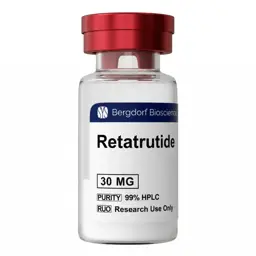
В наличност
В наличност
Вижте продукта
RetatrutideВижте продукта
RetatrutideТипични начални стойности за ориентир. Всеки ред отваря калкулатора за съответния пептид.
| Пептид | Категория | Обичайна доза | Размери на флакони | BAC (начало) | Наличност | Изчисли |
|---|---|---|---|---|---|---|
| VIP | Изследване на невропептиди | - | 10 mg | 2 ml | В наличност | Изчисли |
| Retatrutide | GLP-1/GIP/GCG | 0,5-12 mg | 2 / 5 / 10 / 15 mg | 2 ml | В наличност | Изчисли |
| Cagrilintide | Аналог на амилин | - | 5 mg | 2 ml | В наличност | Изчисли |
| Tirzepatide | GLP-1/GIP | 2,5-15 mg | 10 / 15 / 20 / 30 / 60 / 90 mg | 2 ml | В наличност | Изчисли |
| GHK-Cu | Меден пептид | 1-4 mg | 10 / 20 / 50 mg | 5 ml | В наличност | Изчисли |
| AHK-Cu | Меден пептид | - | 100 mg | 5 ml | В наличност | Изчисли |
| BPC-157 | Възстановяване на тъкани | 0,2-0,5 mg | 2 / 5 / 10 mg | 2 ml | В наличност | Изчисли |
| TB-500 | Тимозин β4 | 2-5 mg | 2 / 5 / 10 mg | 2 ml | В наличност | Изчисли |
| CJC-1295 (без DAC) | GHRH аналог | 100-200 mcg | 2 / 5 / 10 mg | 2 ml | В наличност | Изчисли |
| Ipamorelin | GHRP | 200-300 mcg | 2 / 5 mg | 2 ml | В наличност | Изчисли |
| PT-141 | Бремеланотид | - | 2 / 5 / 10 mg | 2 ml | В наличност | Изчисли |
| MOTS-c | Митохондриален | 5-10 mg | 5 / 10 mg | 2 ml | В наличност | Изчисли |
| Селанк (Selank) | Анксиолитик | 150-500 mcg | 2 / 5 / 10 mg | 2 ml | В наличност | Изчисли |
| SS-31 | Еламипретид | 0,1-1 mg | 5 / 10 mg | 2 ml | В наличност | Изчисли |
| Glow Stack | Stack | 0,5-2 mg | 70 mg | 3 ml | В наличност | Изчисли |
| Klow Stack | Stack | 0,5-2 mg | 55 mg | 3 ml | В наличност | Изчисли |
| Melanotan II | Меланокортин | 100-1000 mcg | 5 / 10 mg | 2 ml | В наличност | Изчисли |
| Melanotan I | Меланокортин | - | 5 / 10 mg | 2 ml | В наличност | Изчисли |
| Серморелин (Sermorelin) | Аналог на GHRH | 50-300 mcg | 5 mg | 2 ml | В наличност | Изчисли |
| Tesamorelin | GHRH аналог | 1-2 mg | 10 / 20 mg | 2 ml | В наличност | Изчисли |
| Thymosin Alpha-1 | Тимусен пептид | 0,8-3,2 mg | 1.6 / 5 / 10 mg | 1 ml | В наличност | Изчисли |
| Epithalon | Дълголетие | 2-10 mg | 10 / 20 / 50 mg | 2 ml | В наличност | Изчисли |
| KPV | Имунна / Бариера | 100-1000 mcg | 5 / 10 mg | 2 ml | В наличност | Изчисли |
| Semax | Когнитивен | 100-1000 mcg | 10 / 30 mg | 2 ml | В наличност | Изчисли |
| DSIP | Сън | 50-500 mcg | 10 mg | 2 ml | В наличност | Изчисли |
| 5-Amino-1MQ | Метаболитен | 2,5-10 mg | 10 mg | 2 ml | В наличност | Изчисли |
| Пинеалон (Pinealon) | Изследователски пептид | - | 10 mg | 2 ml | В наличност | Изчисли |
| Сурводутид (Survodutide) | GLP-1/глюкагон | - | 10 mg | 2 ml | В наличност | Изчисли |
| Киспептин-10 (Kisspeptin-10) | KISS1R / GPR54 | - | 10 mg | 2 ml | В наличност | Изчисли |
| NAD+ | Дълголетие / Кофактор | 100-500 mg | 1000 mg | 10 ml | В наличност | Изчисли |
| Semaglutide | GLP-1 | 0,25-2,4 mg | 2 / 5 / 10 mg | 2 ml | Само калкулатор | Изчисли |
| AOD-9604 | Изгаряне на мазнини | 250-500 mcg | 2 / 5 mg | 2 ml | Само калкулатор | Изчисли |
| HGH Fragment 176-191 | Метаболитен фрагмент | 100-500 mcg | 2 / 5 / 10 mg | 2 ml | Само калкулатор | Изчисли |
| N-Acetyl Semax | Когнитивен | 100-1000 mcg | 5 / 10 mg | 2 ml | Само калкулатор | Изчисли |
| Hexarelin | GHRP | 50-200 mcg | 2 / 5 mg | 2 ml | Само калкулатор | Изчисли |
| GHRP-6 | GHRP | 50-300 mcg | 2 / 5 mg | 2 ml | Само калкулатор | Изчисли |
| GHRP-2 | GHRP | 50-250 mcg | 2 / 5 mg | 2 ml | Само калкулатор | Изчисли |
| HGH 191AA | Хормон на растежа | 1-5 mg | 10 mg | 1 ml | Само калкулатор | Изчисли |
Стойностите служат за ориентир в изследователски контекст и не заместват професионална консултация.
Типични начални стойности за ориентир. Всеки ред отваря калкулатора за съответния пептид.
| Пептид | Категория | Обичайна доза | Размери на флакони | BAC (начало) | Наличност | Изчисли |
|---|---|---|---|---|---|---|
| VIP | Изследване на невропептиди | - | 10 mg | 2 ml | В наличност | Изчисли |
| Retatrutide | GLP-1/GIP/GCG | 0,5-12 mg | 2 / 5 / 10 / 15 mg | 2 ml | В наличност | Изчисли |
| Cagrilintide | Аналог на амилин | - | 5 mg | 2 ml | В наличност | Изчисли |
| Tirzepatide | GLP-1/GIP | 2,5-15 mg | 10 / 15 / 20 / 30 / 60 / 90 mg | 2 ml | В наличност | Изчисли |
| GHK-Cu | Меден пептид | 1-4 mg | 10 / 20 / 50 mg | 5 ml | В наличност | Изчисли |
| AHK-Cu | Меден пептид | - | 100 mg | 5 ml | В наличност | Изчисли |
| BPC-157 | Възстановяване на тъкани | 0,2-0,5 mg | 2 / 5 / 10 mg | 2 ml | В наличност | Изчисли |
| TB-500 | Тимозин β4 | 2-5 mg | 2 / 5 / 10 mg | 2 ml | В наличност | Изчисли |
| CJC-1295 (без DAC) | GHRH аналог | 100-200 mcg | 2 / 5 / 10 mg | 2 ml | В наличност | Изчисли |
| Ipamorelin | GHRP | 200-300 mcg | 2 / 5 mg | 2 ml | В наличност | Изчисли |
| PT-141 | Бремеланотид | - | 2 / 5 / 10 mg | 2 ml | В наличност | Изчисли |
| MOTS-c | Митохондриален | 5-10 mg | 5 / 10 mg | 2 ml | В наличност | Изчисли |
| Селанк (Selank) | Анксиолитик | 150-500 mcg | 2 / 5 / 10 mg | 2 ml | В наличност | Изчисли |
| SS-31 | Еламипретид | 0,1-1 mg | 5 / 10 mg | 2 ml | В наличност | Изчисли |
| Glow Stack | Stack | 0,5-2 mg | 70 mg | 3 ml | В наличност | Изчисли |
| Klow Stack | Stack | 0,5-2 mg | 55 mg | 3 ml | В наличност | Изчисли |
| Melanotan II | Меланокортин | 100-1000 mcg | 5 / 10 mg | 2 ml | В наличност | Изчисли |
| Melanotan I | Меланокортин | - | 5 / 10 mg | 2 ml | В наличност | Изчисли |
| Серморелин (Sermorelin) | Аналог на GHRH | 50-300 mcg | 5 mg | 2 ml | В наличност | Изчисли |
| Tesamorelin | GHRH аналог | 1-2 mg | 10 / 20 mg | 2 ml | В наличност | Изчисли |
| Thymosin Alpha-1 | Тимусен пептид | 0,8-3,2 mg | 1.6 / 5 / 10 mg | 1 ml | В наличност | Изчисли |
| Epithalon | Дълголетие | 2-10 mg | 10 / 20 / 50 mg | 2 ml | В наличност | Изчисли |
| KPV | Имунна / Бариера | 100-1000 mcg | 5 / 10 mg | 2 ml | В наличност | Изчисли |
| Semax | Когнитивен | 100-1000 mcg | 10 / 30 mg | 2 ml | В наличност | Изчисли |
| DSIP | Сън | 50-500 mcg | 10 mg | 2 ml | В наличност | Изчисли |
| 5-Amino-1MQ | Метаболитен | 2,5-10 mg | 10 mg | 2 ml | В наличност | Изчисли |
| Пинеалон (Pinealon) | Изследователски пептид | - | 10 mg | 2 ml | В наличност | Изчисли |
| Сурводутид (Survodutide) | GLP-1/глюкагон | - | 10 mg | 2 ml | В наличност | Изчисли |
| Киспептин-10 (Kisspeptin-10) | KISS1R / GPR54 | - | 10 mg | 2 ml | В наличност | Изчисли |
| NAD+ | Дълголетие / Кофактор | 100-500 mg | 1000 mg | 10 ml | В наличност | Изчисли |
| Semaglutide | GLP-1 | 0,25-2,4 mg | 2 / 5 / 10 mg | 2 ml | Само калкулатор | Изчисли |
| AOD-9604 | Изгаряне на мазнини | 250-500 mcg | 2 / 5 mg | 2 ml | Само калкулатор | Изчисли |
| HGH Fragment 176-191 | Метаболитен фрагмент | 100-500 mcg | 2 / 5 / 10 mg | 2 ml | Само калкулатор | Изчисли |
| N-Acetyl Semax | Когнитивен | 100-1000 mcg | 5 / 10 mg | 2 ml | Само калкулатор | Изчисли |
| Hexarelin | GHRP | 50-200 mcg | 2 / 5 mg | 2 ml | Само калкулатор | Изчисли |
| GHRP-6 | GHRP | 50-300 mcg | 2 / 5 mg | 2 ml | Само калкулатор | Изчисли |
| GHRP-2 | GHRP | 50-250 mcg | 2 / 5 mg | 2 ml | Само калкулатор | Изчисли |
| HGH 191AA | Хормон на растежа | 1-5 mg | 10 mg | 1 ml | Само калкулатор | Изчисли |
Стойностите служат за ориентир в изследователски контекст и не заместват професионална консултация.
Изберете пептид, за да отворите страницата му на калкулатора с предварително попълнени стойности.
Изберете пептид, за да отворите страницата му на калкулатора с предварително попълнени стойности.