
Calculate exact reconstitution volumes, insulin units, and doses per vial for any peptide.
Vial, water and dose are known
Units measure volume, not active substance. 4 IU = 0.04 ml. How many mg are in there depends on the mix. The calculator has worked that out for you.
Almost all insulin syringes are U-100. Only choose U-40 if the syringe is marked U-40.
DSIP (Delta Sleep-Inducing Peptide) is an endogenous neuropeptide composed of nine amino acids, with the sequence Trp-Ala-Gly-Gly-Asp-Ala-Ser-Gly-Glu. It was discovered in 1977 by the research group of Marcel Monnier and Guido Schoenenberger at the University of Basel. The team isolated the compound from the cerebral venous blood of rabbits in which a deep-sleep state had been induced by electrical stimulation of the thalamus. The name reflects the original observation that the substance could promote delta-wave-dominant sleep — that is, slow-wave deep sleep — in experimental animals.
DSIP occurs naturally in several tissues, including the brain, plasma, cerebrospinal fluid, and the digestive tract. Notably, it is able to cross the blood-brain barrier, which has made it a subject of ongoing neuroendocrine research. Despite its name, DSIP is not a classical sleep medication in the pharmacological sense. The scientific literature tends to describe it as a modulatory peptide that nudges homeostatic processes rather than forcing sedation the way a benzodiazepine or a Z-drug hypnotic does. For this reason, DSIP is most often studied in the context of sleep architecture, stress regulation, and neuroendocrine balance rather than as a pure sleep-onset agent.
The experimental evidence base for DSIP is heterogeneous. Some early studies from the 1980s and 1990s reported effects on sleep patterns, pain perception, stress hormones, and circadian rhythm, while other investigations failed to find consistent results. To date, no approved DSIP drug exists for a defined sleep indication, and large-scale controlled human trials are lacking. DSIP is therefore traded strictly for research purposes. This page outlines the properties of the peptide and the math of reconstituting lyophilized powder, but it does not substitute for scientific or medical advice of any kind.
Unlike many other peptides, DSIP has no single, clearly defined receptor. Research instead describes a cluster of modulatory effects across several neuroendocrine systems. The following directions of activity are discussed in the preclinical literature:
An important caveat: the mechanisms of DSIP are not fully resolved, and the body of evidence is inconsistent. DSIP should therefore not be regarded as a reliable sleep aid, but as a research molecule whose neuroendocrine effects continue to be investigated.
In the research literature and in usage reports, DSIP is employed in comparatively low microgram quantities. Because there is no approved preparation and no official dosing guideline, the values below are based on published experimental protocols and serve purely to illustrate the arithmetic.
DSIP has a short and variable plasma half-life. Because of its rapid clearance and context-dependent activity, many protocols time the dose close to the desired observation window, such as the evening.
The common vial size is 5 mg. Adding 2 mL of bacteriostatic water gives a concentration of 2.5 mg/mL (2,500 mcg/mL). The volume to draw is calculated with the formula: target dose divided by concentration.
At a 200 mcg dose, a 5 mg vial provides 25 administrations. Since DSIP is often used situationally rather than daily, a vial may last considerably longer. Use the DSIP calculator above to determine exact volumes for any vial size, reconstitution volume, and target dose. Because the microgram quantities are so small, precise calculation is especially important: even small misreadings of the syringe correspond to proportionally large dose differences.
DSIP is supplied as a lyophilized — that is, freeze-dried — powder in sealed vials. Before any use in a research context, it must be reconstituted with bacteriostatic water (BAC water). BAC water contains 0.9% benzyl alcohol, which inhibits microbial growth and extends the usable window of the ready-to-use solution. Sterile water without a preservative is unsuitable for multi-dose vials.
If the solution appears cloudy, discolored, or contains visible particulate matter, the vial should be discarded. Because DSIP doses are very small, a correctly calculated concentration is the prerequisite for a reproducible draw-up volume.
The safety profile of DSIP rests largely on older animal studies and a limited number of small human studies. In those investigations DSIP was generally well tolerated, and severe toxicity was not consistently reported. However, robust long-term human data — for example on continuous use or drug interactions — is entirely absent. Any use therefore remains explicitly within the research domain.
At the low research doses described in the literature, no serious adverse events have been systematically documented. Given the thin evidence base and the absence of large controlled trials, caution is warranted, and consultation with a qualified physician is strongly recommended.
DSIP is sometimes considered alongside other neuropeptides in usage reports because it falls thematically into the domain of stress, recovery, and neuroendocrine balance. The combinations below describe only how research themes complement one another and are not a recommendation for combined use. Mechanisms and evidence bases are not interchangeable.
Selank is an anxiolytic-researched neuropeptide associated in the literature with the modulation of anxiety, stress reactivity, and GABAergic signaling. While Selank is discussed in a daytime context around stress, DSIP falls more into the domain of sleep architecture and nighttime recovery. In research, the two are sometimes viewed as complementary components of a broader theme of stress regulation. Their combined effect, however, has not been clinically studied.
Semax is an ACTH-derived neuropeptide studied primarily in the context of cognition, attention, and neuroprotection. It thus covers the alert, performance-oriented pole, whereas DSIP sits in the domain of recovery and sleep. Anyone interested in the full spectrum of neuroactive peptides will find the corresponding reconstitution math in the Semax calculator.
Epithalon is associated in research with the pineal gland, melatonin regulation, and circadian rhythms. Because DSIP has also been discussed in some studies in connection with the internal clock and thermoregulation, the two overlap thematically in the field of chronobiological research. Combined use has not been studied; the comparison is limited to the shared research theme.
An overview of all available calculators can be found on the peptide calculator hub.
Not in the classical sense. Despite the name Delta Sleep-Inducing Peptide, DSIP does not act like a sedating hypnotic. Research describes it instead as a modulatory peptide that can influence neuroendocrine processes without forcing sedation. The study results regarding its sleep effects are also inconsistent and considered preliminary.
Because of its short and variable half-life and its context-dependent activity profile, many published protocols time the dose close to the desired observation window, often in the evening. There is, however, no binding schedule, since there is no approved indication and no official dosing guideline.
Melatonin is a circadian hormone that primarily times the sleep-wake rhythm. DSIP is a neuropeptide with a broader, less clearly defined activity profile that, in research, is linked not only to sleep but also to stress and cortisol regulation. The two substances belong to different compound classes and are not interchangeable.
Several experimental works reported a dampening effect of DSIP on elevated cortisol values and a modulation of the stress axis. These findings come predominantly from preclinical or small human studies and have not been confirmed by large-scale controlled investigations. A reliable statement about the effect in humans is therefore not possible.
The plasma half-life of DSIP reported in the literature is short and variable. The peptide is cleared rapidly, which is one explanation for why its effects appear difficult to reproduce and why protocols tie dosing closely to the observation window.
The literature describes various routes of administration for DSIP, including intranasal formulations. This page, however, covers only the reconstitution math of the lyophilized powder for subcutaneous-style research workflows. Anyone investigating a different route must adjust concentration and dose accordingly; the underlying formula remains the same.
In the refrigerator at 2–8°C, reconstituted DSIP is typically stable for around 28 days. Lyophilized powder lasts more than 24 months at −20°C. Reconstituted peptide must not be frozen, as freeze-thaw cycles damage the molecule.
DSIP is not currently part of the active BergdorfBio catalog. Available peptides can be found on the peptide calculator hub and on the linked product pages. The DSIP calculator on this page is available for research calculations independent of the catalog.
Medical Disclaimer: The information on this page is provided for educational and research purposes only. DSIP is not an approved drug or medical treatment and is traded strictly for research use. Nothing on this page constitutes medical advice, a diagnosis, or a recommendation to use any specific compound. The scientific evidence base for DSIP is inconsistent, and no large-scale controlled human trials exist. Always consult a qualified healthcare provider before considering any peptide protocol. BergdorfBio assumes no liability for the use or misuse of the information presented here.
From powder to a ready syringe in five steps. The calculator above gives you the amounts automatically.
Bring vial and water to room temperature. Wipe both rubber stoppers with an alcohol swab.
Draw up the amount of BAC water recommended by the calculator using a larger syringe.
Let the water run down the inside wall of the peptide vial, do not spray it directly onto the powder.
Roll the vial gently, do not shake. The powder dissolves clear within 1-2 minutes.
Draw up to exactly the calculated mark with the insulin syringe. Done.
Typical starting values for orientation. Each row opens the calculator for that peptide.
| Peptide | Category | Typical dose | Vial sizes | BAC (start) | Available | Calculate |
|---|---|---|---|---|---|---|
| VIP | Neuropeptide Research | - | 10 mg | 2 ml | Calculator only | Calculate |
| Retatrutide | GLP-1/GIP/GCG | 0,5-12 mg | 2 / 5 / 10 / 15 mg | 2 ml | Calculator only | Calculate |
| Cagrilintide | Amylin Analogue | - | 5 mg | 2 ml | Calculator only | Calculate |
| Semaglutide | GLP-1 | 0,25-2,4 mg | 2 / 5 / 10 mg | 2 ml | Calculator only | Calculate |
| Tirzepatide | GLP-1/GIP | 2,5-15 mg | 10 / 15 / 20 / 30 / 60 / 90 mg | 2 ml | Calculator only | Calculate |
| GHK-Cu | Copper Peptide | 1-4 mg | 10 / 20 / 50 mg | 5 ml | Calculator only | Calculate |
| AHK-Cu | Copper Peptide | - | 100 mg | 5 ml | Calculator only | Calculate |
| BPC-157 | Tissue Repair | 0,2-0,5 mg | 2 / 5 / 10 mg | 2 ml | Calculator only | Calculate |
| TB-500 | Thymosin Beta-4 | 2-5 mg | 2 / 5 / 10 mg | 2 ml | Calculator only | Calculate |
| CJC-1295 (no DAC) | GHRH Analog | 100-200 mcg | 2 / 5 / 10 mg | 2 ml | Calculator only | Calculate |
| Ipamorelin | GHRP | 200-300 mcg | 2 / 5 mg | 2 ml | Calculator only | Calculate |
| AOD-9604 | Fat Loss | 250-500 mcg | 2 / 5 mg | 2 ml | Calculator only | Calculate |
| PT-141 | Bremelanotide | - | 2 / 5 / 10 mg | 2 ml | Calculator only | Calculate |
| MOTS-c | Mitochondrial | 5-10 mg | 5 / 10 mg | 2 ml | Calculator only | Calculate |
| Selank | Anxiolytic | 150-500 mcg | 2 / 5 / 10 mg | 2 ml | Calculator only | Calculate |
| SS-31 | Elamipretide | 0,1-1 mg | 5 / 10 mg | 2 ml | Calculator only | Calculate |
| Glow Stack | Stack | 0,5-2 mg | 70 mg | 3 ml | Calculator only | Calculate |
| Klow Stack | Stack | 0,5-2 mg | 55 mg | 3 ml | Calculator only | Calculate |
| Melanotan II | Melanocortin | 100-1000 mcg | 5 / 10 mg | 2 ml | Calculator only | Calculate |
| Melanotan I | Melanocortin | - | 5 / 10 mg | 2 ml | Calculator only | Calculate |
| Sermorelin | GHRH Analog | 50-300 mcg | 5 mg | 2 ml | Calculator only | Calculate |
| Tesamorelin | GHRH Analog | 1-2 mg | 10 / 20 mg | 2 ml | Calculator only | Calculate |
| Thymosin Alpha-1 | Thymic Peptide | 0,8-3,2 mg | 1.6 / 5 / 10 mg | 1 ml | Calculator only | Calculate |
| Epithalon | Longevity | 2-10 mg | 10 / 20 / 50 mg | 2 ml | Calculator only | Calculate |
| KPV | Immune / Barrier | 100-1000 mcg | 5 / 10 mg | 2 ml | Calculator only | Calculate |
| HGH Fragment 176-191 | Metabolic Fragment | 100-500 mcg | 2 / 5 / 10 mg | 2 ml | Calculator only | Calculate |
| Semax | Cognitive | 100-1000 mcg | 10 / 30 mg | 2 ml | Calculator only | Calculate |
| N-Acetyl Semax | Cognitive | 100-1000 mcg | 5 / 10 mg | 2 ml | Calculator only | Calculate |
| Hexarelin | GHRP | 50-200 mcg | 2 / 5 mg | 2 ml | Calculator only | Calculate |
| GHRP-6 | GHRP | 50-300 mcg | 2 / 5 mg | 2 ml | Calculator only | Calculate |
| GHRP-2 | GHRP | 50-250 mcg | 2 / 5 mg | 2 ml | Calculator only | Calculate |
| DSIP | Sleep | 50-500 mcg | 10 mg | 2 ml | Calculator only | Calculate |
| 5-Amino-1MQ | Metabolic | 2,5-10 mg | 10 mg | 2 ml | Calculator only | Calculate |
| Pinealon | Research peptide | - | 10 mg | 2 ml | Calculator only | Calculate |
| Survodutide | GLP-1/Glucagon | - | 10 mg | 2 ml | Calculator only | Calculate |
| Kisspeptin-10 | KISS1R / GPR54 | - | 10 mg | 2 ml | Calculator only | Calculate |
| HGH 191AA | Growth Hormone | 1-5 mg | 10 mg | 1 ml | Calculator only | Calculate |
| NAD+ | Longevity / Cofactor | 100-500 mg | 1000 mg | 10 ml | Calculator only | Calculate |
Values are for orientation in a research context and do not replace professional advice.
Calculating concentration and injection volume correctly seems trivial, but it is the most common source of error. Even a 10 % miscalculation during reconstitution means you either get too little active substance or unintentionally overdose.
Lyophilized peptides are supplied in milligrams and dissolved in bacteriostatic water (BAC water). The ratio of peptide to water determines the concentration, and from that follows how many units you draw up on the insulin syringe. Insulin syringes are scaled in units, not milligrams. The calculator handles this conversion, including the plausibility check against the most dangerous error: confusing mg and mcg.
Milligrams (mg) is the unit lyophilized peptides are sold in, for example “5 mg BPC-157”. Micrograms (mcg) measure the single dose, for example “250 mcg per injection”. 1 mg = 1,000 mcg. The calculator converts automatically and warns when an entry looks like a mix-up.
U-100 means the syringe is calibrated for 100 units per milliliter. 100 IU = 1 ml, so 10 IU = 0.10 ml, regardless of what is in the syringe. The IU calculation is based on exactly this relationship.
With a lot of peptide and little water the solution becomes very concentrated, so the volume per dose is tiny and hard to read. Use the mixing helper: it finds the water volume that produces a clean, easily readable mark.
In the fridge at 2-8 °C usually 21-30 days. Label the vial with the reconstitution date. Cloudy solutions or particles are a no-go.
Blends contain several active substances in one vial. Just select the blend as your peptide: the calculator additionally shows how much of each component is in your injection. For combinations of several separate vials, use the Stack Builder.
No. Your last settings are stored locally in the browser and restored on your next visit. You can also recall calculations from the history, save them as a protocol or share them as a link.
Choose a peptide to open its dedicated calculator page with pre-filled values.
Calculate exact reconstitution volumes, insulin units, and doses per vial for any peptide.
Vial, water and dose are known
Units measure volume, not active substance. 4 IU = 0.04 ml. How many mg are in there depends on the mix. The calculator has worked that out for you.
Almost all insulin syringes are U-100. Only choose U-40 if the syringe is marked U-40.
DSIP (Delta Sleep-Inducing Peptide) is an endogenous neuropeptide composed of nine amino acids, with the sequence Trp-Ala-Gly-Gly-Asp-Ala-Ser-Gly-Glu. It was discovered in 1977 by the research group of Marcel Monnier and Guido Schoenenberger at the University of Basel. The team isolated the compound from the cerebral venous blood of rabbits in which a deep-sleep state had been induced by electrical stimulation of the thalamus. The name reflects the original observation that the substance could promote delta-wave-dominant sleep — that is, slow-wave deep sleep — in experimental animals.
DSIP occurs naturally in several tissues, including the brain, plasma, cerebrospinal fluid, and the digestive tract. Notably, it is able to cross the blood-brain barrier, which has made it a subject of ongoing neuroendocrine research. Despite its name, DSIP is not a classical sleep medication in the pharmacological sense. The scientific literature tends to describe it as a modulatory peptide that nudges homeostatic processes rather than forcing sedation the way a benzodiazepine or a Z-drug hypnotic does. For this reason, DSIP is most often studied in the context of sleep architecture, stress regulation, and neuroendocrine balance rather than as a pure sleep-onset agent.
The experimental evidence base for DSIP is heterogeneous. Some early studies from the 1980s and 1990s reported effects on sleep patterns, pain perception, stress hormones, and circadian rhythm, while other investigations failed to find consistent results. To date, no approved DSIP drug exists for a defined sleep indication, and large-scale controlled human trials are lacking. DSIP is therefore traded strictly for research purposes. This page outlines the properties of the peptide and the math of reconstituting lyophilized powder, but it does not substitute for scientific or medical advice of any kind.
Unlike many other peptides, DSIP has no single, clearly defined receptor. Research instead describes a cluster of modulatory effects across several neuroendocrine systems. The following directions of activity are discussed in the preclinical literature:
An important caveat: the mechanisms of DSIP are not fully resolved, and the body of evidence is inconsistent. DSIP should therefore not be regarded as a reliable sleep aid, but as a research molecule whose neuroendocrine effects continue to be investigated.
In the research literature and in usage reports, DSIP is employed in comparatively low microgram quantities. Because there is no approved preparation and no official dosing guideline, the values below are based on published experimental protocols and serve purely to illustrate the arithmetic.
DSIP has a short and variable plasma half-life. Because of its rapid clearance and context-dependent activity, many protocols time the dose close to the desired observation window, such as the evening.
The common vial size is 5 mg. Adding 2 mL of bacteriostatic water gives a concentration of 2.5 mg/mL (2,500 mcg/mL). The volume to draw is calculated with the formula: target dose divided by concentration.
At a 200 mcg dose, a 5 mg vial provides 25 administrations. Since DSIP is often used situationally rather than daily, a vial may last considerably longer. Use the DSIP calculator above to determine exact volumes for any vial size, reconstitution volume, and target dose. Because the microgram quantities are so small, precise calculation is especially important: even small misreadings of the syringe correspond to proportionally large dose differences.
DSIP is supplied as a lyophilized — that is, freeze-dried — powder in sealed vials. Before any use in a research context, it must be reconstituted with bacteriostatic water (BAC water). BAC water contains 0.9% benzyl alcohol, which inhibits microbial growth and extends the usable window of the ready-to-use solution. Sterile water without a preservative is unsuitable for multi-dose vials.
If the solution appears cloudy, discolored, or contains visible particulate matter, the vial should be discarded. Because DSIP doses are very small, a correctly calculated concentration is the prerequisite for a reproducible draw-up volume.
The safety profile of DSIP rests largely on older animal studies and a limited number of small human studies. In those investigations DSIP was generally well tolerated, and severe toxicity was not consistently reported. However, robust long-term human data — for example on continuous use or drug interactions — is entirely absent. Any use therefore remains explicitly within the research domain.
At the low research doses described in the literature, no serious adverse events have been systematically documented. Given the thin evidence base and the absence of large controlled trials, caution is warranted, and consultation with a qualified physician is strongly recommended.
DSIP is sometimes considered alongside other neuropeptides in usage reports because it falls thematically into the domain of stress, recovery, and neuroendocrine balance. The combinations below describe only how research themes complement one another and are not a recommendation for combined use. Mechanisms and evidence bases are not interchangeable.
Selank is an anxiolytic-researched neuropeptide associated in the literature with the modulation of anxiety, stress reactivity, and GABAergic signaling. While Selank is discussed in a daytime context around stress, DSIP falls more into the domain of sleep architecture and nighttime recovery. In research, the two are sometimes viewed as complementary components of a broader theme of stress regulation. Their combined effect, however, has not been clinically studied.
Semax is an ACTH-derived neuropeptide studied primarily in the context of cognition, attention, and neuroprotection. It thus covers the alert, performance-oriented pole, whereas DSIP sits in the domain of recovery and sleep. Anyone interested in the full spectrum of neuroactive peptides will find the corresponding reconstitution math in the Semax calculator.
Epithalon is associated in research with the pineal gland, melatonin regulation, and circadian rhythms. Because DSIP has also been discussed in some studies in connection with the internal clock and thermoregulation, the two overlap thematically in the field of chronobiological research. Combined use has not been studied; the comparison is limited to the shared research theme.
An overview of all available calculators can be found on the peptide calculator hub.
Not in the classical sense. Despite the name Delta Sleep-Inducing Peptide, DSIP does not act like a sedating hypnotic. Research describes it instead as a modulatory peptide that can influence neuroendocrine processes without forcing sedation. The study results regarding its sleep effects are also inconsistent and considered preliminary.
Because of its short and variable half-life and its context-dependent activity profile, many published protocols time the dose close to the desired observation window, often in the evening. There is, however, no binding schedule, since there is no approved indication and no official dosing guideline.
Melatonin is a circadian hormone that primarily times the sleep-wake rhythm. DSIP is a neuropeptide with a broader, less clearly defined activity profile that, in research, is linked not only to sleep but also to stress and cortisol regulation. The two substances belong to different compound classes and are not interchangeable.
Several experimental works reported a dampening effect of DSIP on elevated cortisol values and a modulation of the stress axis. These findings come predominantly from preclinical or small human studies and have not been confirmed by large-scale controlled investigations. A reliable statement about the effect in humans is therefore not possible.
The plasma half-life of DSIP reported in the literature is short and variable. The peptide is cleared rapidly, which is one explanation for why its effects appear difficult to reproduce and why protocols tie dosing closely to the observation window.
The literature describes various routes of administration for DSIP, including intranasal formulations. This page, however, covers only the reconstitution math of the lyophilized powder for subcutaneous-style research workflows. Anyone investigating a different route must adjust concentration and dose accordingly; the underlying formula remains the same.
In the refrigerator at 2–8°C, reconstituted DSIP is typically stable for around 28 days. Lyophilized powder lasts more than 24 months at −20°C. Reconstituted peptide must not be frozen, as freeze-thaw cycles damage the molecule.
DSIP is not currently part of the active BergdorfBio catalog. Available peptides can be found on the peptide calculator hub and on the linked product pages. The DSIP calculator on this page is available for research calculations independent of the catalog.
Medical Disclaimer: The information on this page is provided for educational and research purposes only. DSIP is not an approved drug or medical treatment and is traded strictly for research use. Nothing on this page constitutes medical advice, a diagnosis, or a recommendation to use any specific compound. The scientific evidence base for DSIP is inconsistent, and no large-scale controlled human trials exist. Always consult a qualified healthcare provider before considering any peptide protocol. BergdorfBio assumes no liability for the use or misuse of the information presented here.
From powder to a ready syringe in five steps. The calculator above gives you the amounts automatically.
Bring vial and water to room temperature. Wipe both rubber stoppers with an alcohol swab.
Draw up the amount of BAC water recommended by the calculator using a larger syringe.
Let the water run down the inside wall of the peptide vial, do not spray it directly onto the powder.
Roll the vial gently, do not shake. The powder dissolves clear within 1-2 minutes.
Draw up to exactly the calculated mark with the insulin syringe. Done.
Typical starting values for orientation. Each row opens the calculator for that peptide.
| Peptide | Category | Typical dose | Vial sizes | BAC (start) | Available | Calculate |
|---|---|---|---|---|---|---|
| VIP | Neuropeptide Research | - | 10 mg | 2 ml | Calculator only | Calculate |
| Retatrutide | GLP-1/GIP/GCG | 0,5-12 mg | 2 / 5 / 10 / 15 mg | 2 ml | Calculator only | Calculate |
| Cagrilintide | Amylin Analogue | - | 5 mg | 2 ml | Calculator only | Calculate |
| Semaglutide | GLP-1 | 0,25-2,4 mg | 2 / 5 / 10 mg | 2 ml | Calculator only | Calculate |
| Tirzepatide | GLP-1/GIP | 2,5-15 mg | 10 / 15 / 20 / 30 / 60 / 90 mg | 2 ml | Calculator only | Calculate |
| GHK-Cu | Copper Peptide | 1-4 mg | 10 / 20 / 50 mg | 5 ml | Calculator only | Calculate |
| AHK-Cu | Copper Peptide | - | 100 mg | 5 ml | Calculator only | Calculate |
| BPC-157 | Tissue Repair | 0,2-0,5 mg | 2 / 5 / 10 mg | 2 ml | Calculator only | Calculate |
| TB-500 | Thymosin Beta-4 | 2-5 mg | 2 / 5 / 10 mg | 2 ml | Calculator only | Calculate |
| CJC-1295 (no DAC) | GHRH Analog | 100-200 mcg | 2 / 5 / 10 mg | 2 ml | Calculator only | Calculate |
| Ipamorelin | GHRP | 200-300 mcg | 2 / 5 mg | 2 ml | Calculator only | Calculate |
| AOD-9604 | Fat Loss | 250-500 mcg | 2 / 5 mg | 2 ml | Calculator only | Calculate |
| PT-141 | Bremelanotide | - | 2 / 5 / 10 mg | 2 ml | Calculator only | Calculate |
| MOTS-c | Mitochondrial | 5-10 mg | 5 / 10 mg | 2 ml | Calculator only | Calculate |
| Selank | Anxiolytic | 150-500 mcg | 2 / 5 / 10 mg | 2 ml | Calculator only | Calculate |
| SS-31 | Elamipretide | 0,1-1 mg | 5 / 10 mg | 2 ml | Calculator only | Calculate |
| Glow Stack | Stack | 0,5-2 mg | 70 mg | 3 ml | Calculator only | Calculate |
| Klow Stack | Stack | 0,5-2 mg | 55 mg | 3 ml | Calculator only | Calculate |
| Melanotan II | Melanocortin | 100-1000 mcg | 5 / 10 mg | 2 ml | Calculator only | Calculate |
| Melanotan I | Melanocortin | - | 5 / 10 mg | 2 ml | Calculator only | Calculate |
| Sermorelin | GHRH Analog | 50-300 mcg | 5 mg | 2 ml | Calculator only | Calculate |
| Tesamorelin | GHRH Analog | 1-2 mg | 10 / 20 mg | 2 ml | Calculator only | Calculate |
| Thymosin Alpha-1 | Thymic Peptide | 0,8-3,2 mg | 1.6 / 5 / 10 mg | 1 ml | Calculator only | Calculate |
| Epithalon | Longevity | 2-10 mg | 10 / 20 / 50 mg | 2 ml | Calculator only | Calculate |
| KPV | Immune / Barrier | 100-1000 mcg | 5 / 10 mg | 2 ml | Calculator only | Calculate |
| HGH Fragment 176-191 | Metabolic Fragment | 100-500 mcg | 2 / 5 / 10 mg | 2 ml | Calculator only | Calculate |
| Semax | Cognitive | 100-1000 mcg | 10 / 30 mg | 2 ml | Calculator only | Calculate |
| N-Acetyl Semax | Cognitive | 100-1000 mcg | 5 / 10 mg | 2 ml | Calculator only | Calculate |
| Hexarelin | GHRP | 50-200 mcg | 2 / 5 mg | 2 ml | Calculator only | Calculate |
| GHRP-6 | GHRP | 50-300 mcg | 2 / 5 mg | 2 ml | Calculator only | Calculate |
| GHRP-2 | GHRP | 50-250 mcg | 2 / 5 mg | 2 ml | Calculator only | Calculate |
| DSIP | Sleep | 50-500 mcg | 10 mg | 2 ml | Calculator only | Calculate |
| 5-Amino-1MQ | Metabolic | 2,5-10 mg | 10 mg | 2 ml | Calculator only | Calculate |
| Pinealon | Research peptide | - | 10 mg | 2 ml | Calculator only | Calculate |
| Survodutide | GLP-1/Glucagon | - | 10 mg | 2 ml | Calculator only | Calculate |
| Kisspeptin-10 | KISS1R / GPR54 | - | 10 mg | 2 ml | Calculator only | Calculate |
| HGH 191AA | Growth Hormone | 1-5 mg | 10 mg | 1 ml | Calculator only | Calculate |
| NAD+ | Longevity / Cofactor | 100-500 mg | 1000 mg | 10 ml | Calculator only | Calculate |
Values are for orientation in a research context and do not replace professional advice.
Calculating concentration and injection volume correctly seems trivial, but it is the most common source of error. Even a 10 % miscalculation during reconstitution means you either get too little active substance or unintentionally overdose.
Lyophilized peptides are supplied in milligrams and dissolved in bacteriostatic water (BAC water). The ratio of peptide to water determines the concentration, and from that follows how many units you draw up on the insulin syringe. Insulin syringes are scaled in units, not milligrams. The calculator handles this conversion, including the plausibility check against the most dangerous error: confusing mg and mcg.
Milligrams (mg) is the unit lyophilized peptides are sold in, for example “5 mg BPC-157”. Micrograms (mcg) measure the single dose, for example “250 mcg per injection”. 1 mg = 1,000 mcg. The calculator converts automatically and warns when an entry looks like a mix-up.
U-100 means the syringe is calibrated for 100 units per milliliter. 100 IU = 1 ml, so 10 IU = 0.10 ml, regardless of what is in the syringe. The IU calculation is based on exactly this relationship.
With a lot of peptide and little water the solution becomes very concentrated, so the volume per dose is tiny and hard to read. Use the mixing helper: it finds the water volume that produces a clean, easily readable mark.
In the fridge at 2-8 °C usually 21-30 days. Label the vial with the reconstitution date. Cloudy solutions or particles are a no-go.
Blends contain several active substances in one vial. Just select the blend as your peptide: the calculator additionally shows how much of each component is in your injection. For combinations of several separate vials, use the Stack Builder.
No. Your last settings are stored locally in the browser and restored on your next visit. You can also recall calculations from the history, save them as a protocol or share them as a link.
Choose a peptide to open its dedicated calculator page with pre-filled values.
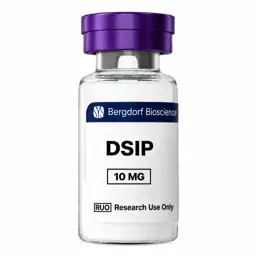
In stock
In stock
View Product
DSIPView Product
DSIPTypical starting values for orientation. Each row opens the calculator for that peptide.
| Peptide | Category | Typical dose | Vial sizes | BAC (start) | Available | Calculate |
|---|---|---|---|---|---|---|
| VIP | Neuropeptide Research | - | 10 mg | 2 ml | In stock | Calculate |
| Retatrutide | GLP-1/GIP/GCG | 0,5-12 mg | 2 / 5 / 10 / 15 mg | 2 ml | In stock | Calculate |
| Cagrilintide | Amylin Analogue | - | 5 mg | 2 ml | In stock | Calculate |
| Tirzepatide | GLP-1/GIP | 2,5-15 mg | 10 / 15 / 20 / 30 / 60 / 90 mg | 2 ml | In stock | Calculate |
| GHK-Cu | Copper Peptide | 1-4 mg | 10 / 20 / 50 mg | 5 ml | In stock | Calculate |
| AHK-Cu | Copper Peptide | - | 100 mg | 5 ml | In stock | Calculate |
| BPC-157 | Tissue Repair | 0,2-0,5 mg | 2 / 5 / 10 mg | 2 ml | In stock | Calculate |
| TB-500 | Thymosin Beta-4 | 2-5 mg | 2 / 5 / 10 mg | 2 ml | In stock | Calculate |
| CJC-1295 (no DAC) | GHRH Analog | 100-200 mcg | 2 / 5 / 10 mg | 2 ml | In stock | Calculate |
| Ipamorelin | GHRP | 200-300 mcg | 2 / 5 mg | 2 ml | In stock | Calculate |
| PT-141 | Bremelanotide | - | 2 / 5 / 10 mg | 2 ml | In stock | Calculate |
| MOTS-c | Mitochondrial | 5-10 mg | 5 / 10 mg | 2 ml | In stock | Calculate |
| Selank | Anxiolytic | 150-500 mcg | 2 / 5 / 10 mg | 2 ml | In stock | Calculate |
| SS-31 | Elamipretide | 0,1-1 mg | 5 / 10 mg | 2 ml | In stock | Calculate |
| Glow Stack | Stack | 0,5-2 mg | 70 mg | 3 ml | In stock | Calculate |
| Klow Stack | Stack | 0,5-2 mg | 55 mg | 3 ml | In stock | Calculate |
| Melanotan II | Melanocortin | 100-1000 mcg | 5 / 10 mg | 2 ml | In stock | Calculate |
| Melanotan I | Melanocortin | - | 5 / 10 mg | 2 ml | In stock | Calculate |
| Sermorelin | GHRH Analog | 50-300 mcg | 5 mg | 2 ml | In stock | Calculate |
| Tesamorelin | GHRH Analog | 1-2 mg | 10 / 20 mg | 2 ml | In stock | Calculate |
| Thymosin Alpha-1 | Thymic Peptide | 0,8-3,2 mg | 1.6 / 5 / 10 mg | 1 ml | In stock | Calculate |
| Epithalon | Longevity | 2-10 mg | 10 / 20 / 50 mg | 2 ml | In stock | Calculate |
| KPV | Immune / Barrier | 100-1000 mcg | 5 / 10 mg | 2 ml | In stock | Calculate |
| Semax | Cognitive | 100-1000 mcg | 10 / 30 mg | 2 ml | In stock | Calculate |
| DSIP | Sleep | 50-500 mcg | 10 mg | 2 ml | In stock | Calculate |
| 5-Amino-1MQ | Metabolic | 2,5-10 mg | 10 mg | 2 ml | In stock | Calculate |
| Pinealon | Research peptide | - | 10 mg | 2 ml | In stock | Calculate |
| Survodutide | GLP-1/Glucagon | - | 10 mg | 2 ml | In stock | Calculate |
| Kisspeptin-10 | KISS1R / GPR54 | - | 10 mg | 2 ml | In stock | Calculate |
| NAD+ | Longevity / Cofactor | 100-500 mg | 1000 mg | 10 ml | In stock | Calculate |
| Semaglutide | GLP-1 | 0,25-2,4 mg | 2 / 5 / 10 mg | 2 ml | Calculator only | Calculate |
| AOD-9604 | Fat Loss | 250-500 mcg | 2 / 5 mg | 2 ml | Calculator only | Calculate |
| HGH Fragment 176-191 | Metabolic Fragment | 100-500 mcg | 2 / 5 / 10 mg | 2 ml | Calculator only | Calculate |
| N-Acetyl Semax | Cognitive | 100-1000 mcg | 5 / 10 mg | 2 ml | Calculator only | Calculate |
| Hexarelin | GHRP | 50-200 mcg | 2 / 5 mg | 2 ml | Calculator only | Calculate |
| GHRP-6 | GHRP | 50-300 mcg | 2 / 5 mg | 2 ml | Calculator only | Calculate |
| GHRP-2 | GHRP | 50-250 mcg | 2 / 5 mg | 2 ml | Calculator only | Calculate |
| HGH 191AA | Growth Hormone | 1-5 mg | 10 mg | 1 ml | Calculator only | Calculate |
Values are for orientation in a research context and do not replace professional advice.
Typical starting values for orientation. Each row opens the calculator for that peptide.
| Peptide | Category | Typical dose | Vial sizes | BAC (start) | Available | Calculate |
|---|---|---|---|---|---|---|
| VIP | Neuropeptide Research | - | 10 mg | 2 ml | In stock | Calculate |
| Retatrutide | GLP-1/GIP/GCG | 0,5-12 mg | 2 / 5 / 10 / 15 mg | 2 ml | In stock | Calculate |
| Cagrilintide | Amylin Analogue | - | 5 mg | 2 ml | In stock | Calculate |
| Tirzepatide | GLP-1/GIP | 2,5-15 mg | 10 / 15 / 20 / 30 / 60 / 90 mg | 2 ml | In stock | Calculate |
| GHK-Cu | Copper Peptide | 1-4 mg | 10 / 20 / 50 mg | 5 ml | In stock | Calculate |
| AHK-Cu | Copper Peptide | - | 100 mg | 5 ml | In stock | Calculate |
| BPC-157 | Tissue Repair | 0,2-0,5 mg | 2 / 5 / 10 mg | 2 ml | In stock | Calculate |
| TB-500 | Thymosin Beta-4 | 2-5 mg | 2 / 5 / 10 mg | 2 ml | In stock | Calculate |
| CJC-1295 (no DAC) | GHRH Analog | 100-200 mcg | 2 / 5 / 10 mg | 2 ml | In stock | Calculate |
| Ipamorelin | GHRP | 200-300 mcg | 2 / 5 mg | 2 ml | In stock | Calculate |
| PT-141 | Bremelanotide | - | 2 / 5 / 10 mg | 2 ml | In stock | Calculate |
| MOTS-c | Mitochondrial | 5-10 mg | 5 / 10 mg | 2 ml | In stock | Calculate |
| Selank | Anxiolytic | 150-500 mcg | 2 / 5 / 10 mg | 2 ml | In stock | Calculate |
| SS-31 | Elamipretide | 0,1-1 mg | 5 / 10 mg | 2 ml | In stock | Calculate |
| Glow Stack | Stack | 0,5-2 mg | 70 mg | 3 ml | In stock | Calculate |
| Klow Stack | Stack | 0,5-2 mg | 55 mg | 3 ml | In stock | Calculate |
| Melanotan II | Melanocortin | 100-1000 mcg | 5 / 10 mg | 2 ml | In stock | Calculate |
| Melanotan I | Melanocortin | - | 5 / 10 mg | 2 ml | In stock | Calculate |
| Sermorelin | GHRH Analog | 50-300 mcg | 5 mg | 2 ml | In stock | Calculate |
| Tesamorelin | GHRH Analog | 1-2 mg | 10 / 20 mg | 2 ml | In stock | Calculate |
| Thymosin Alpha-1 | Thymic Peptide | 0,8-3,2 mg | 1.6 / 5 / 10 mg | 1 ml | In stock | Calculate |
| Epithalon | Longevity | 2-10 mg | 10 / 20 / 50 mg | 2 ml | In stock | Calculate |
| KPV | Immune / Barrier | 100-1000 mcg | 5 / 10 mg | 2 ml | In stock | Calculate |
| Semax | Cognitive | 100-1000 mcg | 10 / 30 mg | 2 ml | In stock | Calculate |
| DSIP | Sleep | 50-500 mcg | 10 mg | 2 ml | In stock | Calculate |
| 5-Amino-1MQ | Metabolic | 2,5-10 mg | 10 mg | 2 ml | In stock | Calculate |
| Pinealon | Research peptide | - | 10 mg | 2 ml | In stock | Calculate |
| Survodutide | GLP-1/Glucagon | - | 10 mg | 2 ml | In stock | Calculate |
| Kisspeptin-10 | KISS1R / GPR54 | - | 10 mg | 2 ml | In stock | Calculate |
| NAD+ | Longevity / Cofactor | 100-500 mg | 1000 mg | 10 ml | In stock | Calculate |
| Semaglutide | GLP-1 | 0,25-2,4 mg | 2 / 5 / 10 mg | 2 ml | Calculator only | Calculate |
| AOD-9604 | Fat Loss | 250-500 mcg | 2 / 5 mg | 2 ml | Calculator only | Calculate |
| HGH Fragment 176-191 | Metabolic Fragment | 100-500 mcg | 2 / 5 / 10 mg | 2 ml | Calculator only | Calculate |
| N-Acetyl Semax | Cognitive | 100-1000 mcg | 5 / 10 mg | 2 ml | Calculator only | Calculate |
| Hexarelin | GHRP | 50-200 mcg | 2 / 5 mg | 2 ml | Calculator only | Calculate |
| GHRP-6 | GHRP | 50-300 mcg | 2 / 5 mg | 2 ml | Calculator only | Calculate |
| GHRP-2 | GHRP | 50-250 mcg | 2 / 5 mg | 2 ml | Calculator only | Calculate |
| HGH 191AA | Growth Hormone | 1-5 mg | 10 mg | 1 ml | Calculator only | Calculate |
Values are for orientation in a research context and do not replace professional advice.
Choose a peptide to open its dedicated calculator page with pre-filled values.
Choose a peptide to open its dedicated calculator page with pre-filled values.