Araştırma peptiti · Copper tripeptide-1
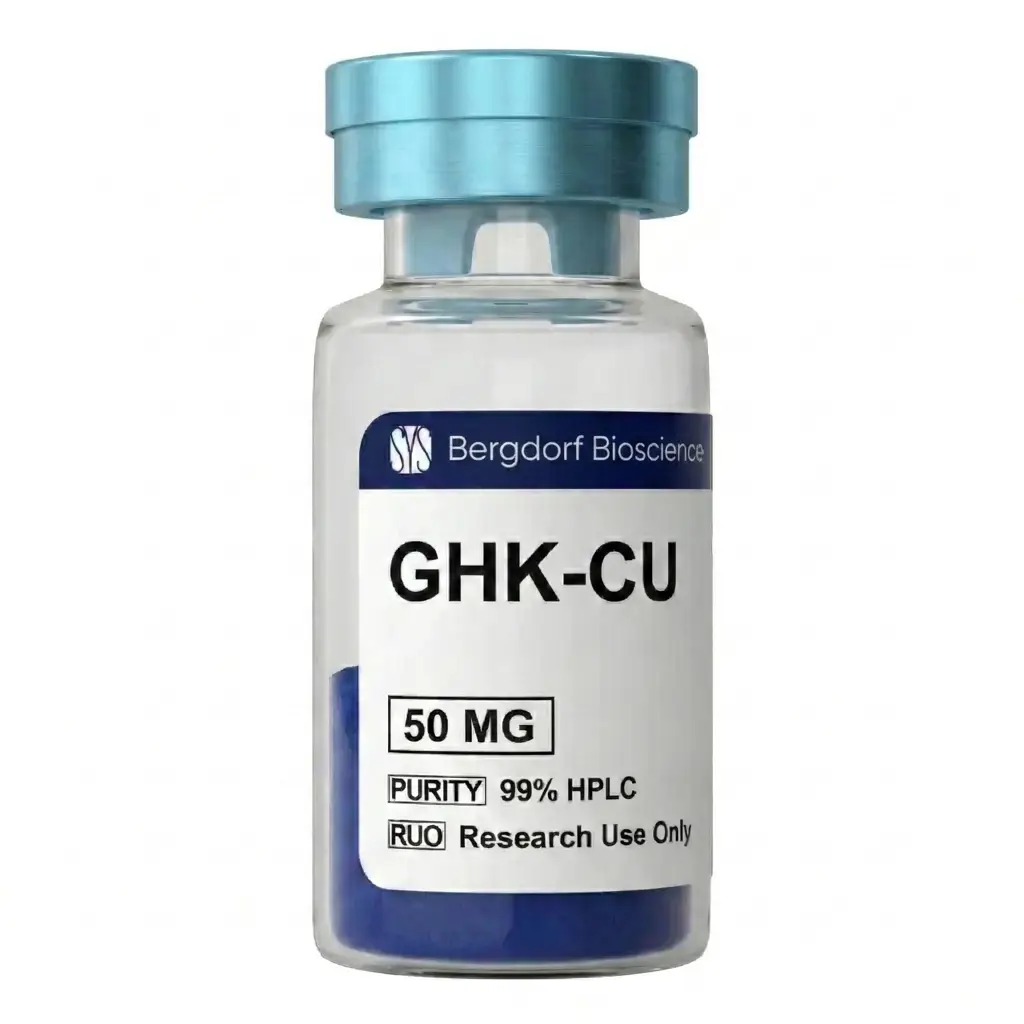
GHK-Cu bakır peptit satın alın: 50mg ve 100mg flakon, 43,99 €'dan. ≥%99 HPLC saflık, her partide CoA, Avrupa'dan hızlı kargo. Sadece araştırma amaçlıdır.
Araştırma peptiti · Copper tripeptide-1
GHK-Cu bakır peptit satın alın: 50mg ve 100mg flakon, 43,99 €'dan. ≥%99 HPLC saflık, her partide CoA, Avrupa'dan hızlı kargo. Sadece araştırma amaçlıdır.
Henüz değerlendirme yok. Deneyiminizi ilk paylaşan siz olun.
Henüz değerlendirme yok. Deneyiminizi ilk paylaşan siz olun.
/ flakon
Bugün sipariş verin → Teslimat 12 Eki Pzt – 20 Eki Sal Amerika Birleşik Devletleri için
Ödeme Yöntemleri






/ flakon
Bugün sipariş verin → Teslimat 12 Eki Pzt – 20 Eki Sal Amerika Birleşik Devletleri için
Ödeme Yöntemleri
Bağımsız olarak doğrulanmış kalite
3.000+
memnun araştırmacı
%99,43
Ort. saflık 2026
4,8 ★
ProvenExpert
%99,43
Ort. saflık 2026
4,8 ★
ProvenExpert
3.000+ memnun araştırmacı
GHK-Cu 50mg - 1 Pack flakon + 2 ml BAC Water - konsantrasyon:
Birim başına (10 IU)
2.50 mg
Bilimsel kaynaklar
Araştırma detayları
Bu sayfada
GHK-Cu (glisil-L-histidil-L-lizin bakır kompleksi), 1973 yılında Dr. Loren Pickart tarafından insan plazmasından ilk kez izole edilen, doğal olarak oluşan bir tripeptit-bakır şelatıdır. Serbest peptit için yaklaşık 403.9 Da (bakır kompleksi olarak ~467 Da) moleküler ağırlığa sahip bu küçük molekül, genç yetişkinlerde yaklaşık 200 ng/mL konsantrasyonda bulunur ve yaşla birlikte belirgin şekilde azalır. Beş dekadı aşan araştırmalar, GHK-Cu'nun doku yeniden yapılanmasıyla ilişkili gen ekspresyonunu modüle etme yönündeki dikkat çekici yeteneğini ortaya koymuştur; çalışmalar bu peptidin 4,000'den fazla geni etkilediğini tespit etmiştir. Temel mekanizmaları arasında dokulara bakır(II) iyonu taşınması, doku yeniden yapılanma yolaklarının aktivasyonu, kolajen ve elastin sentezinin desteklenmesi ile dekorin ve glikozaminoglikan üretiminin yukarı regülasyonu yer alır. Bu özellikler GHK-Cu'yu rejeneratif ve dermatolojik araştırmalarda en kapsamlı incelenen peptitlerden biri haline getirmektedir.
GHK-Cu'nun bilimsel önemi, on yıllara yayılan hakemli araştırmalarla desteklenmektedir. Dr. Pickart'ın öncü çalışmaları ile birlikte Journal of Biological Chemistry ve Dermatologic Surgery gibi dergilerde yayımlanan sonraki çalışmalar, GHK-Cu'yu geniş rejeneratif potansiyele sahip bir peptit olarak konumlandırmıştır:
Bergdorf Bioscience'ta GHK-Cu, yüksek saflıkta liyofilize (dondurularak kurutulmuş) toz halinde sunulmaktadır. Bu üretim süreci, uygun şekilde saklandığında maksimum kimyasal stabilite ve uzun raf ömrü sağlar.
Laboratuvarınız için GHK-Cu satın alırken mutlak güvenilirliğe ihtiyacınız vardır. GHK-Cu, Bergdorf Bioscience'ta aşağıdaki flakon boyutlarında mevcuttur:
Her flakon en sıkı laboratuvar koşulları altında doldurulur ve ayrı ayrı mühürlenir. Tüm partiler Yüksek Performanslı Sıvı Kromatografisi (HPLC) ile analiz edilir ve en az %99 garantili saflık sunar. Kalite güvencemiz ayrıca tam moleküler ağırlığı doğrulamak için detaylı kütle spektrometrisi ile titiz endotoksin testlerini de kapsar.
Tüm araştırma peptitlerimiz için güvenilir dünya çapında sevkiyat sunuyoruz. Profesyonel liyofilizasyon sayesinde GHK-Cu tozu, karıştırılmamış halinde yüksek düzeyde sıcaklık stabilitesine sahiptir. Peptidin moleküler bütünlüğü ve yüksek biyolojik aktivitesi, küresel taşımacılık boyunca normal ortam sıcaklıklarında tamamen korunur. Ancak rekonstitüsyon sonrasında (bakteriyostatik su ile karıştırıldıktan sonra) buzdolabında uygun şekilde saklanmasını önemle tavsiye ederiz.
Binds copper(II) ions; activates tissue remodeling genes; promotes collagen, elastin, and glycosaminoglycan synthesis.
İleri düzey protokol
1-2 mg daily, subcutaneously or topically (cream/serum)
Not: Belirtilen dozajlar, yayımlanan araştırma literatüründeki tipik aralıklara karşılık gelir. Nitelikli bir araştırmacı veya hekimin tavsiyesinin yerini tutmaz.
Her parti, sevkiyat öncesinde bağımsız bir laboratuvar tarafından HPLC yöntemiyle analiz edilir. Saflık (2026'da ort. %99,43), kütle spektrometresi kimliği ve sterilite belgelenmektedir. Üretim, ISO sertifikalı laboratuvarlarda GMP standartlarına uygun olarak yapılmaktadır.
Tüm peptidlerimiz, HPLC ve kütle spektrometresi analiziyle doğrulanmış ≥99% minimum saflık standardını karşılamaktadır. Analiz Sertifikaları (CoA) talep üzerine sunulmaktadır.
Bağımsız olarak doğrulanmış kalite
3.000+
memnun araştırmacı
%99,43
Ort. saflık 2026
4,8 ★
ProvenExpert
%99,43
Ort. saflık 2026
4,8 ★
ProvenExpert
3.000+ memnun araştırmacı
GHK-Cu 50mg - 1 Pack flakon + 2 ml BAC Water - konsantrasyon:
Birim başına (10 IU)
2.50 mg
Bilimsel kaynaklar
Araştırma detayları
Bu sayfada
GHK-Cu (glisil-L-histidil-L-lizin bakır kompleksi), 1973 yılında Dr. Loren Pickart tarafından insan plazmasından ilk kez izole edilen, doğal olarak oluşan bir tripeptit-bakır şelatıdır. Serbest peptit için yaklaşık 403.9 Da (bakır kompleksi olarak ~467 Da) moleküler ağırlığa sahip bu küçük molekül, genç yetişkinlerde yaklaşık 200 ng/mL konsantrasyonda bulunur ve yaşla birlikte belirgin şekilde azalır. Beş dekadı aşan araştırmalar, GHK-Cu'nun doku yeniden yapılanmasıyla ilişkili gen ekspresyonunu modüle etme yönündeki dikkat çekici yeteneğini ortaya koymuştur; çalışmalar bu peptidin 4,000'den fazla geni etkilediğini tespit etmiştir. Temel mekanizmaları arasında dokulara bakır(II) iyonu taşınması, doku yeniden yapılanma yolaklarının aktivasyonu, kolajen ve elastin sentezinin desteklenmesi ile dekorin ve glikozaminoglikan üretiminin yukarı regülasyonu yer alır. Bu özellikler GHK-Cu'yu rejeneratif ve dermatolojik araştırmalarda en kapsamlı incelenen peptitlerden biri haline getirmektedir.
GHK-Cu'nun bilimsel önemi, on yıllara yayılan hakemli araştırmalarla desteklenmektedir. Dr. Pickart'ın öncü çalışmaları ile birlikte Journal of Biological Chemistry ve Dermatologic Surgery gibi dergilerde yayımlanan sonraki çalışmalar, GHK-Cu'yu geniş rejeneratif potansiyele sahip bir peptit olarak konumlandırmıştır:
Bergdorf Bioscience'ta GHK-Cu, yüksek saflıkta liyofilize (dondurularak kurutulmuş) toz halinde sunulmaktadır. Bu üretim süreci, uygun şekilde saklandığında maksimum kimyasal stabilite ve uzun raf ömrü sağlar.
Laboratuvarınız için GHK-Cu satın alırken mutlak güvenilirliğe ihtiyacınız vardır. GHK-Cu, Bergdorf Bioscience'ta aşağıdaki flakon boyutlarında mevcuttur:
Her flakon en sıkı laboratuvar koşulları altında doldurulur ve ayrı ayrı mühürlenir. Tüm partiler Yüksek Performanslı Sıvı Kromatografisi (HPLC) ile analiz edilir ve en az %99 garantili saflık sunar. Kalite güvencemiz ayrıca tam moleküler ağırlığı doğrulamak için detaylı kütle spektrometrisi ile titiz endotoksin testlerini de kapsar.
Tüm araştırma peptitlerimiz için güvenilir dünya çapında sevkiyat sunuyoruz. Profesyonel liyofilizasyon sayesinde GHK-Cu tozu, karıştırılmamış halinde yüksek düzeyde sıcaklık stabilitesine sahiptir. Peptidin moleküler bütünlüğü ve yüksek biyolojik aktivitesi, küresel taşımacılık boyunca normal ortam sıcaklıklarında tamamen korunur. Ancak rekonstitüsyon sonrasında (bakteriyostatik su ile karıştırıldıktan sonra) buzdolabında uygun şekilde saklanmasını önemle tavsiye ederiz.
Binds copper(II) ions; activates tissue remodeling genes; promotes collagen, elastin, and glycosaminoglycan synthesis.
İleri düzey protokol
1-2 mg daily, subcutaneously or topically (cream/serum)
Not: Belirtilen dozajlar, yayımlanan araştırma literatüründeki tipik aralıklara karşılık gelir. Nitelikli bir araştırmacı veya hekimin tavsiyesinin yerini tutmaz.
Her parti, sevkiyat öncesinde bağımsız bir laboratuvar tarafından HPLC yöntemiyle analiz edilir. Saflık (2026'da ort. %99,43), kütle spektrometresi kimliği ve sterilite belgelenmektedir. Üretim, ISO sertifikalı laboratuvarlarda GMP standartlarına uygun olarak yapılmaktadır.
Tüm peptidlerimiz, HPLC ve kütle spektrometresi analiziyle doğrulanmış ≥99% minimum saflık standardını karşılamaktadır. Analiz Sertifikaları (CoA) talep üzerine sunulmaktadır.

Birlikte daha iyi
Glow(GHK-Cu 50mg, TB500 10mg, BPC157 10mg)Tam stack, sıklıkla birlikte satın alınır
Birlikte daha iyi
Glow(GHK-Cu 50mg, TB500 10mg, BPC157 10mg)Tam stack, sıklıkla birlikte satın alınır

GHK-Cu Leitfaden: Wirkmechanismus, Dosierung, Haut- und Haarforschung. Inklusive der neusten Referenzen. Jetzt mehr erfahren!
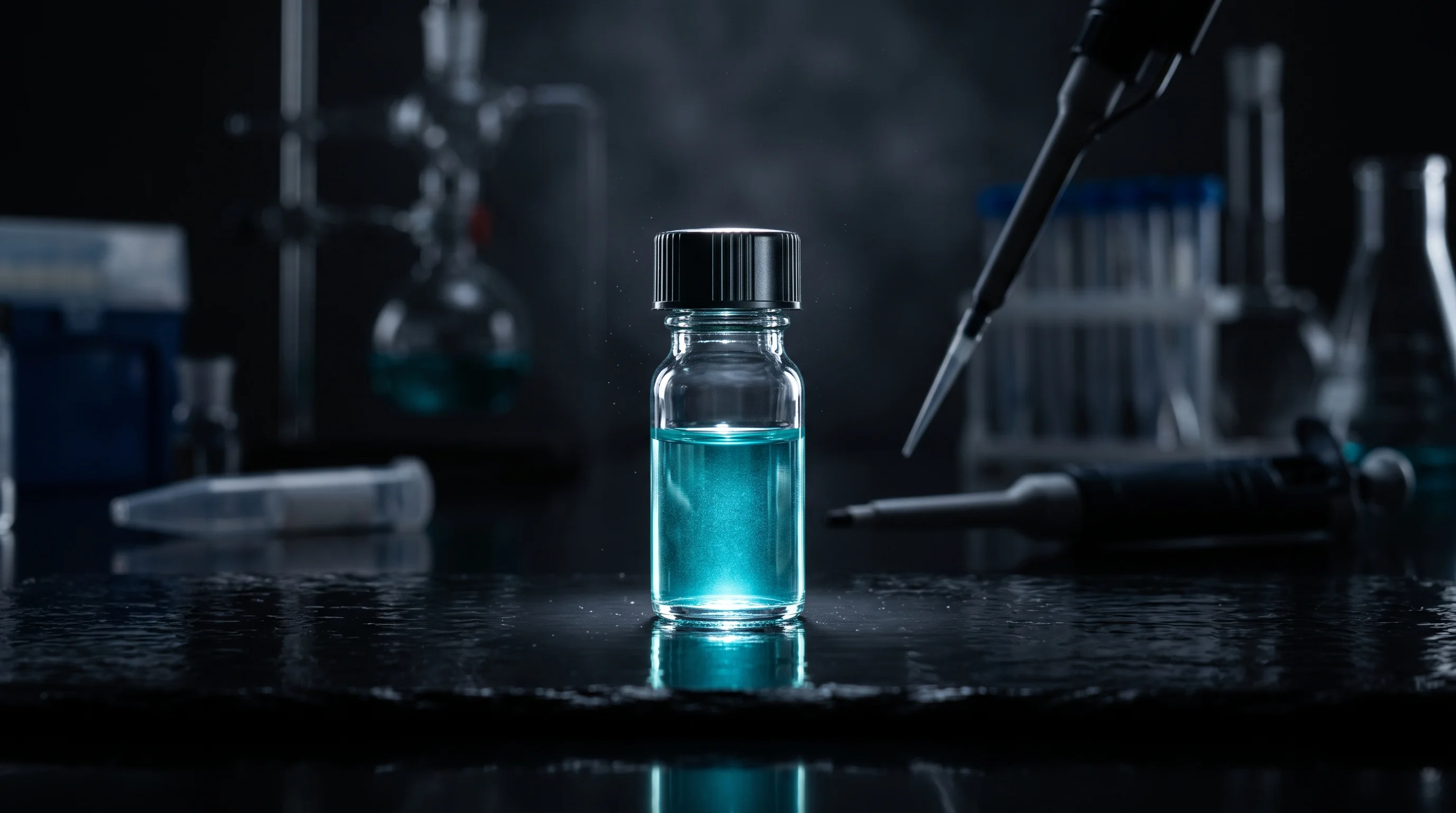
Arastirmada bakir peptitler cilt: GHK-Cu ve AHK-Cu kolajen, elastin ve kil folikulleri uzerine. Calisma verileri tarafsizca aciklaniyor.
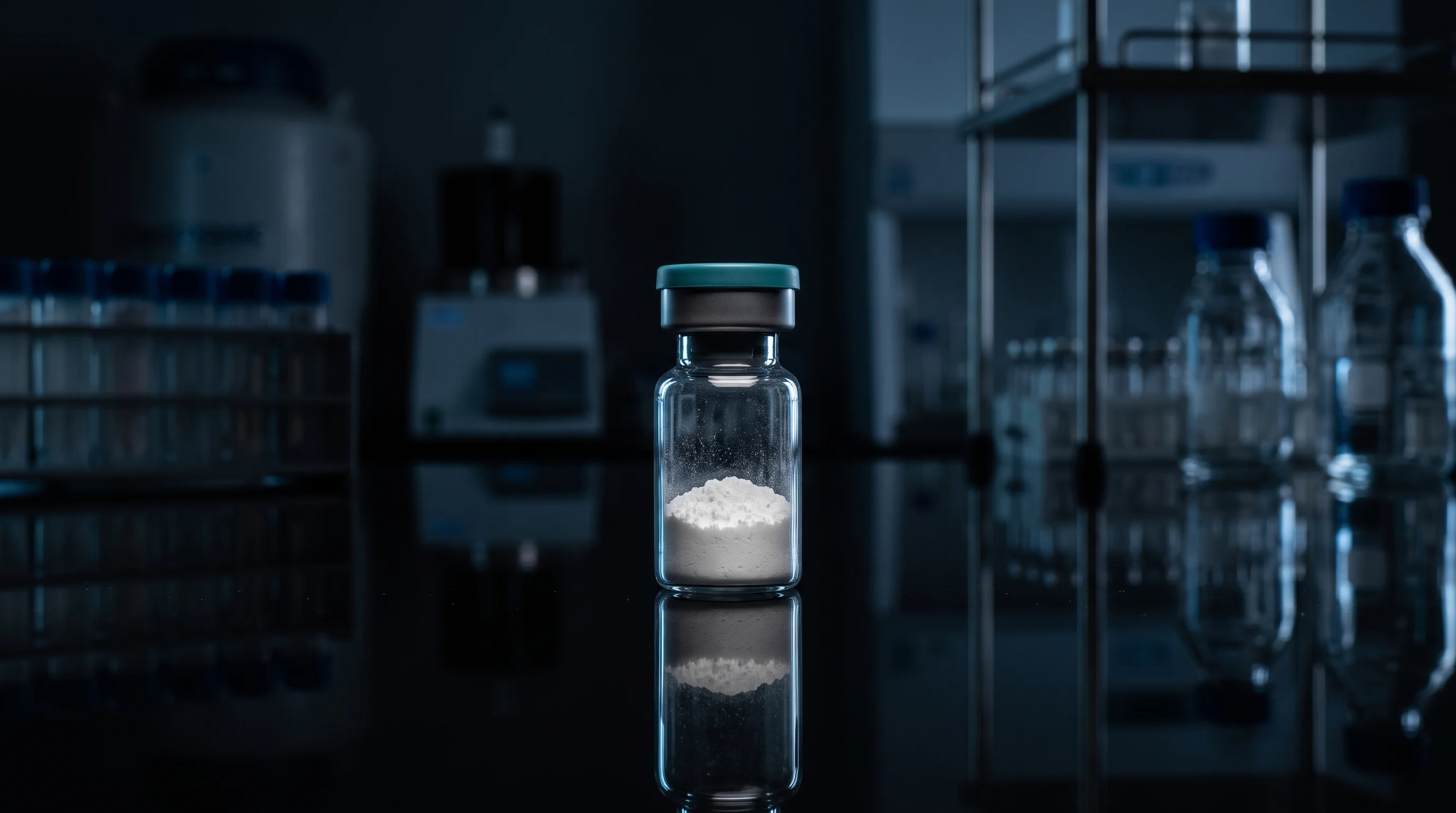
NAD+, GHK-Cu ve Epithalon'un uzun ömür araştırmalarındaki rolünü bilimsel verilerle inceleyen longevity peptide stack rehberi, BergdorfBio'dan.
GHK-Cu Leitfaden: Wirkmechanismus, Dosierung, Haut- und Haarforschung. Inklusive der neusten Referenzen. Jetzt mehr erfahren!
Arastirmada bakir peptitler cilt: GHK-Cu ve AHK-Cu kolajen, elastin ve kil folikulleri uzerine. Calisma verileri tarafsizca aciklaniyor.
NAD+, GHK-Cu ve Epithalon'un uzun ömür araştırmalarındaki rolünü bilimsel verilerle inceleyen longevity peptide stack rehberi, BergdorfBio'dan.