
Изчислете точни обеми за реконституция, инсулинови единици и дози на флакон за всеки пептид.
Флаконът, водата и дозата са известни
Тази доза изисква 2,50 ml. Най-голямата инсулинова спринцовка побира 1 ml, а по-голяма просто не съществува.
Използвайте по-малко бактериостатична вода: най-много 4,0 ml задържат обема на едно изтегляне под 1 ml.
Разделете дозата на 3 отделни инжекции.
Деленията измерват обем, не активно вещество. 250 IU = 2,50 ml. Колко mg има в тях зависи от разтварянето. Калкулаторът го е изчислил вместо Вас.
Почти всички инсулинови спринцовки са U-100. Изберете U-40 само ако на спринцовката пише U-40.
Свързаните източници водят към PubMed и се отварят в нов раздел.
NAD+ (никотинамид аденин динуклеотид) е жизненоважен коензим, участващ в клетъчния метаболизъм. Той не е пептид, а динуклеотид, съставен от два свързани нуклеотида: единият съдържа никотинамид, свързан с витамин B3, а другият аденин. Включен е в този калкулатор, защото за лиофилизирания материал могат да се използват същите математически зависимости между маса, концентрация и обем. Това не означава, че начинът на приложение, разтворителят или условията за съхранение са идентични с тези на всички пептиди.
Основната биологична роля на NAD+ е преносът на електрони. Молекулата преминава между окислената си форма NAD+ и редуцираната NADH, свързвайки разграждането на хранителни вещества с образуването на ATP. Тя участва в гликолизата, цикъла на лимонената киселина и митохондриалната енергетика. Освен кофактор NAD+ е и субстрат, който се изразходва от ензими като сиртуини, PARP и CD38. Затова вътреклетъчните му запаси трябва постоянно да се възстановяват.
Интересът към NAD+ в изследванията на стареенето идва от наблюдения за понижаване на нивата му в редица тъкани с възрастта. Проучват се връзки с митохондриалната функция, сиртуините и възстановяването на ДНК. Стратегиите включват както предшественици като NMN и NR, така и самия NAD+. Клетъчната необходимост от коензима обаче не доказва, че инжектирането удължава човешкия живот. NAD+ не е класически хормон, но това не изключва косвени връзки между енергийния метаболизъм и ендокринната регулация.
NAD+ участва в множество процеси, вместо да действа само върху един рецептор. Следните функции обясняват значението му в изследванията на енергийния обмен и стареенето:
Примерите за NAD+ използват милиграми, а не микрограми. Важно е да не се пренасят схеми от интравенозни изследвания към подкожно приложение. Клиничните данни за конкретни подкожни формули са ограничени, затова следващите числа служат за изчисляване на концентрация и обем, без да определят обща безопасна или ефективна доза.
При 1000 mg в краен обем 10 mL концентрацията е 100 mg/mL. Преди подготовка трябва да се проверят вместимостта на съда и съвместимостта на формулата.
Флаконът съдържа 4 количества по 250 mg. Обемите 2,5–5,0 mL не се побират в една спринцовка от 1 mL. Разделяне на количество или промяна на концентрацията изисква съвместим и обоснован протокол; математическата възможност не установява допустим обем за подкожно приложение. Използвайте калкулатора за NAD+ по-горе за проверка на масата и обема, без да превишавате скалата на спринцовката.
Скоростта има значение при медицински наблюдавани инфузии, но не е единствената причина за нежелани реакции. Малко проучване от 2019 г. проследява метаболитите по време на 6-часова интравенозна инфузия; то не установява общ подкожен полуживот от 1–2 часа. Такъв фиксиран срок не трябва да определя честотата на приложение. При симптоми не е достатъчно просто да се намали скоростта.
Изследователският NAD+ може да е лиофилизиран прах. Приготвянето на разтвор изисква подходящ състав, качество и разтворител. Бактериостатичната вода съдържа 0,9 % бензилов алкохол за ограничаване на микробния растеж, но не отстранява ендотоксини и не стерилизира неподходящ материал. Водата без консервант има различни условия за използване. По-голямото съдържание в милиграми налага особено внимателна проверка на общия обем.
Лек жълт оттенък може да съответства на спецификацията на NAD+ разтвор. Помътняване, силна промяна на цвета или частици са причина материалът да не се използва. Само визуална проверка не установява стерилност или липса на ендотоксини.
Естественото присъствие на NAD+ не доказва безопасност на инжекционен продукт. Освен дозата и скоростта са важни стерилността, ендотоксините, съставът и пътят на приложение. FDA съобщава за силно втрисане, треперене, повръщане и умора след инжекционни NAD+ продукти, включително случаи с нужда от медицинско лечение. Симптомите са съвместими с високи нива на ендотоксини и не бива да се обясняват само със скоростта.
Не може да се приема, че бавно приложение на „стандартно изследователско количество“ е общо доказано безопасно. Консултацията с квалифициран медицински специалист е необходима за оценка на индивидуалния риск и качеството на конкретния препарат.
NAD+ се обсъжда наред с MOTS-c при изследвания на стареенето и енергийния обмен. NAD+ е коензим, а MOTS-c е пептиден сигнал, свързан с метаболитната адаптация. Това са различни подходи към митохондриалната биология. Допълващи се механизми не означават доказана клинична синергия, безопасност или удължаване на живота.
5-Amino-1MQ е инхибитор на никотинамид N-метилтрансферазата (NNMT), която метилира никотинамида. Ограничаването на този път може в конкретни модели да промени наличността на предшественици за възстановяване на NAD+. Това е механистична хипотеза за сравнение, а не установена човешка комбинирана терапия.
SS-31 се свързва с кардиолипина във вътрешната митохондриална мембрана. NAD+/NADH участва в редокс реакциите, докато SS-31 се изследва по отношение на мембранните свойства и биоенергетиката. NAD+ не е просто „гориво“, а коензим. Различните мишени не доказват общ защитен ефект при едновременно приложение на изследователски материали.
Данни за предлагания материал са достъпни на страницата за NAD+ в BergdorfBio.
Не. Съставен е от два нуклеотида, а не от аминокиселинна верига. Включен е в калкулатора заради общата математика на разтворите: маса, концентрация и обем. От това не следва еднакво дозиране, стабилност или пригодност за инжектиране с други вещества.
NMN (никотинамид мононуклеотид) и NR (никотинамид рибозид) са предшественици на NAD+. Самият NAD+ е коензимът, но външното му подаване не гарантира директно попадане непокътнат във всички клетки. Прекурсорите и коензимът имат различна обработка, бионаличност и данни според пътя на приложение. Не са взаимозаменяеми по маса.
Скоростта е част от протокола при инфузии и може да влияе на поносимостта. Това не означава, че всички реакции са кратки или се решават с по-бавно подаване. Натиск в гърдите, силно втрисане, повръщане или други изразени симптоми изискват медицинска оценка, включително на качеството на продукта.
Не като обща системна стойност за всеки препарат и път. Пилотното изследване на 6-часова интравенозна инфузия проследява плазмени и уринни метаболити и бързото отстраняване от плазмата през началните часове. Това не е измерване на универсален подкожен полуживот и не валидира ежедневна схема.
NAD+ е метаболитен коензим, не класически хормон. Метаболитните и ендокринните процеси обаче са свързани, затова не може да се обещава липса на всякакъв ефект върху щитовидната, надбъбречната или половата ос. Няма установена стандартна схема за хормонално възстановяване след NAD+.
MOTS-c, SS-31 и 5-Amino-1MQ се обсъждат заради различни метаболитни механизми. Без данни за съвместимост не смесвайте материалите в общ разтвор. Отделната подготовка намалява риска от физикохимична несъвместимост, но не доказва безопасност или липса на взаимодействия в организма.
При 100 mg/mL количество 100 mg е 1 mL, а 250 mg е 2,5 mL. Последното не се побира в една спринцовка от 1 mL. Не изтегляйте над максималната скала. Разделяне или промяна на концентрацията изисква проверка на съвместимостта и допустимия начин на приложение, а не само аритметична сметка.
Съдържанието на флакона и наличните аналитични данни са на продуктовата страница: NAD+ в BergdorfBio. Материалът се предлага за изследователски цели. Анализът на чистота не е доказателство за стерилност, липса на ендотоксини или медицинска пригодност.
Медицинска информация: Текстът има образователна и изследователска цел. Описаният материал не е одобрено лечение за стареене или друго заболяване. Изчисленията не заместват индивидуална диагноза и медицински план. Консултирайте се с квалифициран медицински специалист преди всяка намеса. BergdorfBio не поема отговорност за използване или неправилно използване на информацията.
От прах до готова спринцовка в пет стъпки. Количествата Ви предоставя калкулаторът по-горе автоматично.
Доведете флакона и водата до стайна температура. Избършете и двете гумени запушалки с тампон със спирт.
Изтеглете препоръчаното от калкулатора количество BAC вода с по-голяма спринцовка.
Оставете водата да се стича по стъклената стена във флакона с пептида, не я впръсквайте директно върху праха.
Завъртете флакона внимателно, не разклащайте. Прахът се разтваря до бистро за 1-2 минути.
С инсулиновата спринцовка изтеглете точно до изчисленото деление. Готово.
Типични начални стойности за ориентир. Всеки ред отваря калкулатора за съответния пептид.
| Пептид | Категория | Обичайна доза | Размери на флакони | BAC (начало) | Наличност | Изчисли |
|---|---|---|---|---|---|---|
| VIP | Изследване на невропептиди | - | 10 mg | 2 ml | Само калкулатор | Изчисли |
| Retatrutide | GLP-1/GIP/GCG | 0,5-12 mg | 2 / 5 / 10 / 15 mg | 2 ml | Само калкулатор | Изчисли |
| Cagrilintide | Аналог на амилин | - | 5 mg | 2 ml | Само калкулатор | Изчисли |
| Semaglutide | GLP-1 | 0,25-2,4 mg | 2 / 5 / 10 mg | 2 ml | Само калкулатор | Изчисли |
| Tirzepatide | GLP-1/GIP | 2,5-15 mg | 10 / 15 / 20 / 30 / 60 / 90 mg | 2 ml | Само калкулатор | Изчисли |
| GHK-Cu | Меден пептид | 1-4 mg | 10 / 20 / 50 mg | 5 ml | Само калкулатор | Изчисли |
| AHK-Cu | Меден пептид | - | 100 mg | 5 ml | Само калкулатор | Изчисли |
| BPC-157 | Възстановяване на тъкани | 0,2-0,5 mg | 2 / 5 / 10 mg | 2 ml | Само калкулатор | Изчисли |
| TB-500 | Тимозин β4 | 2-5 mg | 2 / 5 / 10 mg | 2 ml | Само калкулатор | Изчисли |
| CJC-1295 (без DAC) | GHRH аналог | 100-200 mcg | 2 / 5 / 10 mg | 2 ml | Само калкулатор | Изчисли |
| Ipamorelin | GHRP | 200-300 mcg | 2 / 5 mg | 2 ml | Само калкулатор | Изчисли |
| AOD-9604 | Изгаряне на мазнини | 250-500 mcg | 2 / 5 mg | 2 ml | Само калкулатор | Изчисли |
| PT-141 | Бремеланотид | - | 2 / 5 / 10 mg | 2 ml | Само калкулатор | Изчисли |
| MOTS-c | Митохондриален | 5-10 mg | 5 / 10 mg | 2 ml | Само калкулатор | Изчисли |
| Селанк (Selank) | Анксиолитик | 150-500 mcg | 2 / 5 / 10 mg | 2 ml | Само калкулатор | Изчисли |
| SS-31 | Еламипретид | 0,1-1 mg | 5 / 10 mg | 2 ml | Само калкулатор | Изчисли |
| Glow Stack | Stack | 0,5-2 mg | 70 mg | 3 ml | Само калкулатор | Изчисли |
| Klow Stack | Stack | 0,5-2 mg | 55 mg | 3 ml | Само калкулатор | Изчисли |
| Melanotan II | Меланокортин | 100-1000 mcg | 5 / 10 mg | 2 ml | Само калкулатор | Изчисли |
| Melanotan I | Меланокортин | - | 5 / 10 mg | 2 ml | Само калкулатор | Изчисли |
| Серморелин (Sermorelin) | Аналог на GHRH | 50-300 mcg | 5 mg | 2 ml | Само калкулатор | Изчисли |
| Tesamorelin | GHRH аналог | 1-2 mg | 10 / 20 mg | 2 ml | Само калкулатор | Изчисли |
| Thymosin Alpha-1 | Тимусен пептид | 0,8-3,2 mg | 1.6 / 5 / 10 mg | 1 ml | Само калкулатор | Изчисли |
| Epithalon | Дълголетие | 2-10 mg | 10 / 20 / 50 mg | 2 ml | Само калкулатор | Изчисли |
| KPV | Имунна / Бариера | 100-1000 mcg | 5 / 10 mg | 2 ml | Само калкулатор | Изчисли |
| HGH Fragment 176-191 | Метаболитен фрагмент | 100-500 mcg | 2 / 5 / 10 mg | 2 ml | Само калкулатор | Изчисли |
| Semax | Когнитивен | 100-1000 mcg | 10 / 30 mg | 2 ml | Само калкулатор | Изчисли |
| N-Acetyl Semax | Когнитивен | 100-1000 mcg | 5 / 10 mg | 2 ml | Само калкулатор | Изчисли |
| Hexarelin | GHRP | 50-200 mcg | 2 / 5 mg | 2 ml | Само калкулатор | Изчисли |
| GHRP-6 | GHRP | 50-300 mcg | 2 / 5 mg | 2 ml | Само калкулатор | Изчисли |
| GHRP-2 | GHRP | 50-250 mcg | 2 / 5 mg | 2 ml | Само калкулатор | Изчисли |
| DSIP | Сън | 50-500 mcg | 10 mg | 2 ml | Само калкулатор | Изчисли |
| 5-Amino-1MQ | Метаболитен | 2,5-10 mg | 10 mg | 2 ml | Само калкулатор | Изчисли |
| Пинеалон (Pinealon) | Изследователски пептид | - | 10 mg | 2 ml | Само калкулатор | Изчисли |
| Сурводутид (Survodutide) | GLP-1/глюкагон | - | 10 mg | 2 ml | Само калкулатор | Изчисли |
| Киспептин-10 (Kisspeptin-10) | KISS1R / GPR54 | - | 10 mg | 2 ml | Само калкулатор | Изчисли |
| HGH 191AA | Хормон на растежа | 1-5 mg | 10 mg | 1 ml | Само калкулатор | Изчисли |
| NAD+ | Дълголетие / Кофактор | 100-500 mg | 1000 mg | 10 ml | Само калкулатор | Изчисли |
Стойностите служат за ориентир в изследователски контекст и не заместват професионална консултация.
Правилното изчисляване на концентрацията и обема на инжекцията изглежда тривиално, но е най-честият източник на грешки. Дори грешка от 10 % при разтварянето означава, че получавате или твърде малко активно вещество, или непреднамерено предозирате.
Лиофилизираните пептиди се доставят в милиграми и се разтварят в бактериостатична вода (BAC вода). Съотношението на пептида към водата определя концентрацията, а от нея следва колко деления изтегляте на инсулиновата спринцовка. Инсулиновите спринцовки са скалирани в единици, не в милиграми. Това преобразуване извършва калкулаторът, включително проверката за достоверност срещу най-опасната грешка: бъркането на mg и mcg.
Милиграмът (mg) е единицата, в която се продават лиофилизираните пептиди, например „5 mg BPC-157“. Микрограмът (mcg) измерва единичната доза, например „250 mcg на инжекция“. 1 mg = 1000 mcg. Калкулаторът преобразува автоматично и предупреждава, когато въведена стойност изглежда като объркване.
U-100 означава, че спринцовката е калибрирана за 100 единици на милилитър. 100 IU = 1 ml, тоест 10 IU = 0,10 ml, независимо от това какво има в спринцовката. Именно на тази зависимост се основава изчислението на IU.
При много пептид и малко вода разтворът става много концентриран, тоест обемът на доза е минимален и труден за отчитане. Използвайте помощника за разтваряне: той намира количеството вода, което дава чисто, лесно за отчитане деление.
В хладилник при 2-8 °C обикновено 21-30 дни. Обозначете флакона с датата на разтваряне. Мътни разтвори или частици са причина за изхвърляне.
Смесите съдържат няколко активни вещества в един флакон. Просто изберете сместа като пептид: калкулаторът показва допълнително колко от всеки компонент се съдържа във Вашата инжекция. За комбинации от няколко отделни флакона използвайте Stack Builder.
Не. Последните Ви настройки се запазват локално в браузъра и се възстановяват при следващото посещение. Освен това можете да извиквате изчисления от историята, да ги запазвате като протокол или да ги споделяте като връзка.
Изберете пептид, за да отворите страницата му на калкулатора с предварително попълнени стойности.
Изчислете точни обеми за реконституция, инсулинови единици и дози на флакон за всеки пептид.
Флаконът, водата и дозата са известни
Тази доза изисква 2,50 ml. Най-голямата инсулинова спринцовка побира 1 ml, а по-голяма просто не съществува.
Използвайте по-малко бактериостатична вода: най-много 4,0 ml задържат обема на едно изтегляне под 1 ml.
Разделете дозата на 3 отделни инжекции.
Деленията измерват обем, не активно вещество. 250 IU = 2,50 ml. Колко mg има в тях зависи от разтварянето. Калкулаторът го е изчислил вместо Вас.
Почти всички инсулинови спринцовки са U-100. Изберете U-40 само ако на спринцовката пише U-40.
Свързаните източници водят към PubMed и се отварят в нов раздел.
NAD+ (никотинамид аденин динуклеотид) е жизненоважен коензим, участващ в клетъчния метаболизъм. Той не е пептид, а динуклеотид, съставен от два свързани нуклеотида: единият съдържа никотинамид, свързан с витамин B3, а другият аденин. Включен е в този калкулатор, защото за лиофилизирания материал могат да се използват същите математически зависимости между маса, концентрация и обем. Това не означава, че начинът на приложение, разтворителят или условията за съхранение са идентични с тези на всички пептиди.
Основната биологична роля на NAD+ е преносът на електрони. Молекулата преминава между окислената си форма NAD+ и редуцираната NADH, свързвайки разграждането на хранителни вещества с образуването на ATP. Тя участва в гликолизата, цикъла на лимонената киселина и митохондриалната енергетика. Освен кофактор NAD+ е и субстрат, който се изразходва от ензими като сиртуини, PARP и CD38. Затова вътреклетъчните му запаси трябва постоянно да се възстановяват.
Интересът към NAD+ в изследванията на стареенето идва от наблюдения за понижаване на нивата му в редица тъкани с възрастта. Проучват се връзки с митохондриалната функция, сиртуините и възстановяването на ДНК. Стратегиите включват както предшественици като NMN и NR, така и самия NAD+. Клетъчната необходимост от коензима обаче не доказва, че инжектирането удължава човешкия живот. NAD+ не е класически хормон, но това не изключва косвени връзки между енергийния метаболизъм и ендокринната регулация.
NAD+ участва в множество процеси, вместо да действа само върху един рецептор. Следните функции обясняват значението му в изследванията на енергийния обмен и стареенето:
Примерите за NAD+ използват милиграми, а не микрограми. Важно е да не се пренасят схеми от интравенозни изследвания към подкожно приложение. Клиничните данни за конкретни подкожни формули са ограничени, затова следващите числа служат за изчисляване на концентрация и обем, без да определят обща безопасна или ефективна доза.
При 1000 mg в краен обем 10 mL концентрацията е 100 mg/mL. Преди подготовка трябва да се проверят вместимостта на съда и съвместимостта на формулата.
Флаконът съдържа 4 количества по 250 mg. Обемите 2,5–5,0 mL не се побират в една спринцовка от 1 mL. Разделяне на количество или промяна на концентрацията изисква съвместим и обоснован протокол; математическата възможност не установява допустим обем за подкожно приложение. Използвайте калкулатора за NAD+ по-горе за проверка на масата и обема, без да превишавате скалата на спринцовката.
Скоростта има значение при медицински наблюдавани инфузии, но не е единствената причина за нежелани реакции. Малко проучване от 2019 г. проследява метаболитите по време на 6-часова интравенозна инфузия; то не установява общ подкожен полуживот от 1–2 часа. Такъв фиксиран срок не трябва да определя честотата на приложение. При симптоми не е достатъчно просто да се намали скоростта.
Изследователският NAD+ може да е лиофилизиран прах. Приготвянето на разтвор изисква подходящ състав, качество и разтворител. Бактериостатичната вода съдържа 0,9 % бензилов алкохол за ограничаване на микробния растеж, но не отстранява ендотоксини и не стерилизира неподходящ материал. Водата без консервант има различни условия за използване. По-голямото съдържание в милиграми налага особено внимателна проверка на общия обем.
Лек жълт оттенък може да съответства на спецификацията на NAD+ разтвор. Помътняване, силна промяна на цвета или частици са причина материалът да не се използва. Само визуална проверка не установява стерилност или липса на ендотоксини.
Естественото присъствие на NAD+ не доказва безопасност на инжекционен продукт. Освен дозата и скоростта са важни стерилността, ендотоксините, съставът и пътят на приложение. FDA съобщава за силно втрисане, треперене, повръщане и умора след инжекционни NAD+ продукти, включително случаи с нужда от медицинско лечение. Симптомите са съвместими с високи нива на ендотоксини и не бива да се обясняват само със скоростта.
Не може да се приема, че бавно приложение на „стандартно изследователско количество“ е общо доказано безопасно. Консултацията с квалифициран медицински специалист е необходима за оценка на индивидуалния риск и качеството на конкретния препарат.
NAD+ се обсъжда наред с MOTS-c при изследвания на стареенето и енергийния обмен. NAD+ е коензим, а MOTS-c е пептиден сигнал, свързан с метаболитната адаптация. Това са различни подходи към митохондриалната биология. Допълващи се механизми не означават доказана клинична синергия, безопасност или удължаване на живота.
5-Amino-1MQ е инхибитор на никотинамид N-метилтрансферазата (NNMT), която метилира никотинамида. Ограничаването на този път може в конкретни модели да промени наличността на предшественици за възстановяване на NAD+. Това е механистична хипотеза за сравнение, а не установена човешка комбинирана терапия.
SS-31 се свързва с кардиолипина във вътрешната митохондриална мембрана. NAD+/NADH участва в редокс реакциите, докато SS-31 се изследва по отношение на мембранните свойства и биоенергетиката. NAD+ не е просто „гориво“, а коензим. Различните мишени не доказват общ защитен ефект при едновременно приложение на изследователски материали.
Данни за предлагания материал са достъпни на страницата за NAD+ в BergdorfBio.
Не. Съставен е от два нуклеотида, а не от аминокиселинна верига. Включен е в калкулатора заради общата математика на разтворите: маса, концентрация и обем. От това не следва еднакво дозиране, стабилност или пригодност за инжектиране с други вещества.
NMN (никотинамид мононуклеотид) и NR (никотинамид рибозид) са предшественици на NAD+. Самият NAD+ е коензимът, но външното му подаване не гарантира директно попадане непокътнат във всички клетки. Прекурсорите и коензимът имат различна обработка, бионаличност и данни според пътя на приложение. Не са взаимозаменяеми по маса.
Скоростта е част от протокола при инфузии и може да влияе на поносимостта. Това не означава, че всички реакции са кратки или се решават с по-бавно подаване. Натиск в гърдите, силно втрисане, повръщане или други изразени симптоми изискват медицинска оценка, включително на качеството на продукта.
Не като обща системна стойност за всеки препарат и път. Пилотното изследване на 6-часова интравенозна инфузия проследява плазмени и уринни метаболити и бързото отстраняване от плазмата през началните часове. Това не е измерване на универсален подкожен полуживот и не валидира ежедневна схема.
NAD+ е метаболитен коензим, не класически хормон. Метаболитните и ендокринните процеси обаче са свързани, затова не може да се обещава липса на всякакъв ефект върху щитовидната, надбъбречната или половата ос. Няма установена стандартна схема за хормонално възстановяване след NAD+.
MOTS-c, SS-31 и 5-Amino-1MQ се обсъждат заради различни метаболитни механизми. Без данни за съвместимост не смесвайте материалите в общ разтвор. Отделната подготовка намалява риска от физикохимична несъвместимост, но не доказва безопасност или липса на взаимодействия в организма.
При 100 mg/mL количество 100 mg е 1 mL, а 250 mg е 2,5 mL. Последното не се побира в една спринцовка от 1 mL. Не изтегляйте над максималната скала. Разделяне или промяна на концентрацията изисква проверка на съвместимостта и допустимия начин на приложение, а не само аритметична сметка.
Съдържанието на флакона и наличните аналитични данни са на продуктовата страница: NAD+ в BergdorfBio. Материалът се предлага за изследователски цели. Анализът на чистота не е доказателство за стерилност, липса на ендотоксини или медицинска пригодност.
Медицинска информация: Текстът има образователна и изследователска цел. Описаният материал не е одобрено лечение за стареене или друго заболяване. Изчисленията не заместват индивидуална диагноза и медицински план. Консултирайте се с квалифициран медицински специалист преди всяка намеса. BergdorfBio не поема отговорност за използване или неправилно използване на информацията.
От прах до готова спринцовка в пет стъпки. Количествата Ви предоставя калкулаторът по-горе автоматично.
Доведете флакона и водата до стайна температура. Избършете и двете гумени запушалки с тампон със спирт.
Изтеглете препоръчаното от калкулатора количество BAC вода с по-голяма спринцовка.
Оставете водата да се стича по стъклената стена във флакона с пептида, не я впръсквайте директно върху праха.
Завъртете флакона внимателно, не разклащайте. Прахът се разтваря до бистро за 1-2 минути.
С инсулиновата спринцовка изтеглете точно до изчисленото деление. Готово.
Типични начални стойности за ориентир. Всеки ред отваря калкулатора за съответния пептид.
| Пептид | Категория | Обичайна доза | Размери на флакони | BAC (начало) | Наличност | Изчисли |
|---|---|---|---|---|---|---|
| VIP | Изследване на невропептиди | - | 10 mg | 2 ml | Само калкулатор | Изчисли |
| Retatrutide | GLP-1/GIP/GCG | 0,5-12 mg | 2 / 5 / 10 / 15 mg | 2 ml | Само калкулатор | Изчисли |
| Cagrilintide | Аналог на амилин | - | 5 mg | 2 ml | Само калкулатор | Изчисли |
| Semaglutide | GLP-1 | 0,25-2,4 mg | 2 / 5 / 10 mg | 2 ml | Само калкулатор | Изчисли |
| Tirzepatide | GLP-1/GIP | 2,5-15 mg | 10 / 15 / 20 / 30 / 60 / 90 mg | 2 ml | Само калкулатор | Изчисли |
| GHK-Cu | Меден пептид | 1-4 mg | 10 / 20 / 50 mg | 5 ml | Само калкулатор | Изчисли |
| AHK-Cu | Меден пептид | - | 100 mg | 5 ml | Само калкулатор | Изчисли |
| BPC-157 | Възстановяване на тъкани | 0,2-0,5 mg | 2 / 5 / 10 mg | 2 ml | Само калкулатор | Изчисли |
| TB-500 | Тимозин β4 | 2-5 mg | 2 / 5 / 10 mg | 2 ml | Само калкулатор | Изчисли |
| CJC-1295 (без DAC) | GHRH аналог | 100-200 mcg | 2 / 5 / 10 mg | 2 ml | Само калкулатор | Изчисли |
| Ipamorelin | GHRP | 200-300 mcg | 2 / 5 mg | 2 ml | Само калкулатор | Изчисли |
| AOD-9604 | Изгаряне на мазнини | 250-500 mcg | 2 / 5 mg | 2 ml | Само калкулатор | Изчисли |
| PT-141 | Бремеланотид | - | 2 / 5 / 10 mg | 2 ml | Само калкулатор | Изчисли |
| MOTS-c | Митохондриален | 5-10 mg | 5 / 10 mg | 2 ml | Само калкулатор | Изчисли |
| Селанк (Selank) | Анксиолитик | 150-500 mcg | 2 / 5 / 10 mg | 2 ml | Само калкулатор | Изчисли |
| SS-31 | Еламипретид | 0,1-1 mg | 5 / 10 mg | 2 ml | Само калкулатор | Изчисли |
| Glow Stack | Stack | 0,5-2 mg | 70 mg | 3 ml | Само калкулатор | Изчисли |
| Klow Stack | Stack | 0,5-2 mg | 55 mg | 3 ml | Само калкулатор | Изчисли |
| Melanotan II | Меланокортин | 100-1000 mcg | 5 / 10 mg | 2 ml | Само калкулатор | Изчисли |
| Melanotan I | Меланокортин | - | 5 / 10 mg | 2 ml | Само калкулатор | Изчисли |
| Серморелин (Sermorelin) | Аналог на GHRH | 50-300 mcg | 5 mg | 2 ml | Само калкулатор | Изчисли |
| Tesamorelin | GHRH аналог | 1-2 mg | 10 / 20 mg | 2 ml | Само калкулатор | Изчисли |
| Thymosin Alpha-1 | Тимусен пептид | 0,8-3,2 mg | 1.6 / 5 / 10 mg | 1 ml | Само калкулатор | Изчисли |
| Epithalon | Дълголетие | 2-10 mg | 10 / 20 / 50 mg | 2 ml | Само калкулатор | Изчисли |
| KPV | Имунна / Бариера | 100-1000 mcg | 5 / 10 mg | 2 ml | Само калкулатор | Изчисли |
| HGH Fragment 176-191 | Метаболитен фрагмент | 100-500 mcg | 2 / 5 / 10 mg | 2 ml | Само калкулатор | Изчисли |
| Semax | Когнитивен | 100-1000 mcg | 10 / 30 mg | 2 ml | Само калкулатор | Изчисли |
| N-Acetyl Semax | Когнитивен | 100-1000 mcg | 5 / 10 mg | 2 ml | Само калкулатор | Изчисли |
| Hexarelin | GHRP | 50-200 mcg | 2 / 5 mg | 2 ml | Само калкулатор | Изчисли |
| GHRP-6 | GHRP | 50-300 mcg | 2 / 5 mg | 2 ml | Само калкулатор | Изчисли |
| GHRP-2 | GHRP | 50-250 mcg | 2 / 5 mg | 2 ml | Само калкулатор | Изчисли |
| DSIP | Сън | 50-500 mcg | 10 mg | 2 ml | Само калкулатор | Изчисли |
| 5-Amino-1MQ | Метаболитен | 2,5-10 mg | 10 mg | 2 ml | Само калкулатор | Изчисли |
| Пинеалон (Pinealon) | Изследователски пептид | - | 10 mg | 2 ml | Само калкулатор | Изчисли |
| Сурводутид (Survodutide) | GLP-1/глюкагон | - | 10 mg | 2 ml | Само калкулатор | Изчисли |
| Киспептин-10 (Kisspeptin-10) | KISS1R / GPR54 | - | 10 mg | 2 ml | Само калкулатор | Изчисли |
| HGH 191AA | Хормон на растежа | 1-5 mg | 10 mg | 1 ml | Само калкулатор | Изчисли |
| NAD+ | Дълголетие / Кофактор | 100-500 mg | 1000 mg | 10 ml | Само калкулатор | Изчисли |
Стойностите служат за ориентир в изследователски контекст и не заместват професионална консултация.
Правилното изчисляване на концентрацията и обема на инжекцията изглежда тривиално, но е най-честият източник на грешки. Дори грешка от 10 % при разтварянето означава, че получавате или твърде малко активно вещество, или непреднамерено предозирате.
Лиофилизираните пептиди се доставят в милиграми и се разтварят в бактериостатична вода (BAC вода). Съотношението на пептида към водата определя концентрацията, а от нея следва колко деления изтегляте на инсулиновата спринцовка. Инсулиновите спринцовки са скалирани в единици, не в милиграми. Това преобразуване извършва калкулаторът, включително проверката за достоверност срещу най-опасната грешка: бъркането на mg и mcg.
Милиграмът (mg) е единицата, в която се продават лиофилизираните пептиди, например „5 mg BPC-157“. Микрограмът (mcg) измерва единичната доза, например „250 mcg на инжекция“. 1 mg = 1000 mcg. Калкулаторът преобразува автоматично и предупреждава, когато въведена стойност изглежда като объркване.
U-100 означава, че спринцовката е калибрирана за 100 единици на милилитър. 100 IU = 1 ml, тоест 10 IU = 0,10 ml, независимо от това какво има в спринцовката. Именно на тази зависимост се основава изчислението на IU.
При много пептид и малко вода разтворът става много концентриран, тоест обемът на доза е минимален и труден за отчитане. Използвайте помощника за разтваряне: той намира количеството вода, което дава чисто, лесно за отчитане деление.
В хладилник при 2-8 °C обикновено 21-30 дни. Обозначете флакона с датата на разтваряне. Мътни разтвори или частици са причина за изхвърляне.
Смесите съдържат няколко активни вещества в един флакон. Просто изберете сместа като пептид: калкулаторът показва допълнително колко от всеки компонент се съдържа във Вашата инжекция. За комбинации от няколко отделни флакона използвайте Stack Builder.
Не. Последните Ви настройки се запазват локално в браузъра и се възстановяват при следващото посещение. Освен това можете да извиквате изчисления от историята, да ги запазвате като протокол или да ги споделяте като връзка.
Изберете пептид, за да отворите страницата му на калкулатора с предварително попълнени стойности.
Вижте продукта
NAD+Вижте продукта
NAD+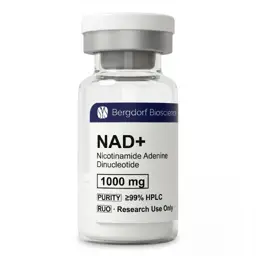
В наличност
В наличност
Типични начални стойности за ориентир. Всеки ред отваря калкулатора за съответния пептид.
| Пептид | Категория | Обичайна доза | Размери на флакони | BAC (начало) | Наличност | Изчисли |
|---|---|---|---|---|---|---|
| VIP | Изследване на невропептиди | - | 10 mg | 2 ml | В наличност | Изчисли |
| Retatrutide | GLP-1/GIP/GCG | 0,5-12 mg | 2 / 5 / 10 / 15 mg | 2 ml | В наличност | Изчисли |
| Cagrilintide | Аналог на амилин | - | 5 mg | 2 ml | В наличност | Изчисли |
| Tirzepatide | GLP-1/GIP | 2,5-15 mg | 10 / 15 / 20 / 30 / 60 / 90 mg | 2 ml | В наличност | Изчисли |
| GHK-Cu | Меден пептид | 1-4 mg | 10 / 20 / 50 mg | 5 ml | В наличност | Изчисли |
| AHK-Cu | Меден пептид | - | 100 mg | 5 ml | В наличност | Изчисли |
| BPC-157 | Възстановяване на тъкани | 0,2-0,5 mg | 2 / 5 / 10 mg | 2 ml | В наличност | Изчисли |
| TB-500 | Тимозин β4 | 2-5 mg | 2 / 5 / 10 mg | 2 ml | В наличност | Изчисли |
| CJC-1295 (без DAC) | GHRH аналог | 100-200 mcg | 2 / 5 / 10 mg | 2 ml | В наличност | Изчисли |
| Ipamorelin | GHRP | 200-300 mcg | 2 / 5 mg | 2 ml | В наличност | Изчисли |
| PT-141 | Бремеланотид | - | 2 / 5 / 10 mg | 2 ml | В наличност | Изчисли |
| MOTS-c | Митохондриален | 5-10 mg | 5 / 10 mg | 2 ml | В наличност | Изчисли |
| Селанк (Selank) | Анксиолитик | 150-500 mcg | 2 / 5 / 10 mg | 2 ml | В наличност | Изчисли |
| SS-31 | Еламипретид | 0,1-1 mg | 5 / 10 mg | 2 ml | В наличност | Изчисли |
| Glow Stack | Stack | 0,5-2 mg | 70 mg | 3 ml | В наличност | Изчисли |
| Klow Stack | Stack | 0,5-2 mg | 55 mg | 3 ml | В наличност | Изчисли |
| Melanotan II | Меланокортин | 100-1000 mcg | 5 / 10 mg | 2 ml | В наличност | Изчисли |
| Melanotan I | Меланокортин | - | 5 / 10 mg | 2 ml | В наличност | Изчисли |
| Серморелин (Sermorelin) | Аналог на GHRH | 50-300 mcg | 5 mg | 2 ml | В наличност | Изчисли |
| Tesamorelin | GHRH аналог | 1-2 mg | 10 / 20 mg | 2 ml | В наличност | Изчисли |
| Thymosin Alpha-1 | Тимусен пептид | 0,8-3,2 mg | 1.6 / 5 / 10 mg | 1 ml | В наличност | Изчисли |
| Epithalon | Дълголетие | 2-10 mg | 10 / 20 / 50 mg | 2 ml | В наличност | Изчисли |
| KPV | Имунна / Бариера | 100-1000 mcg | 5 / 10 mg | 2 ml | В наличност | Изчисли |
| Semax | Когнитивен | 100-1000 mcg | 10 / 30 mg | 2 ml | В наличност | Изчисли |
| DSIP | Сън | 50-500 mcg | 10 mg | 2 ml | В наличност | Изчисли |
| 5-Amino-1MQ | Метаболитен | 2,5-10 mg | 10 mg | 2 ml | В наличност | Изчисли |
| Пинеалон (Pinealon) | Изследователски пептид | - | 10 mg | 2 ml | В наличност | Изчисли |
| Сурводутид (Survodutide) | GLP-1/глюкагон | - | 10 mg | 2 ml | В наличност | Изчисли |
| Киспептин-10 (Kisspeptin-10) | KISS1R / GPR54 | - | 10 mg | 2 ml | В наличност | Изчисли |
| NAD+ | Дълголетие / Кофактор | 100-500 mg | 1000 mg | 10 ml | В наличност | Изчисли |
| Semaglutide | GLP-1 | 0,25-2,4 mg | 2 / 5 / 10 mg | 2 ml | Само калкулатор | Изчисли |
| AOD-9604 | Изгаряне на мазнини | 250-500 mcg | 2 / 5 mg | 2 ml | Само калкулатор | Изчисли |
| HGH Fragment 176-191 | Метаболитен фрагмент | 100-500 mcg | 2 / 5 / 10 mg | 2 ml | Само калкулатор | Изчисли |
| N-Acetyl Semax | Когнитивен | 100-1000 mcg | 5 / 10 mg | 2 ml | Само калкулатор | Изчисли |
| Hexarelin | GHRP | 50-200 mcg | 2 / 5 mg | 2 ml | Само калкулатор | Изчисли |
| GHRP-6 | GHRP | 50-300 mcg | 2 / 5 mg | 2 ml | Само калкулатор | Изчисли |
| GHRP-2 | GHRP | 50-250 mcg | 2 / 5 mg | 2 ml | Само калкулатор | Изчисли |
| HGH 191AA | Хормон на растежа | 1-5 mg | 10 mg | 1 ml | Само калкулатор | Изчисли |
Стойностите служат за ориентир в изследователски контекст и не заместват професионална консултация.
Типични начални стойности за ориентир. Всеки ред отваря калкулатора за съответния пептид.
| Пептид | Категория | Обичайна доза | Размери на флакони | BAC (начало) | Наличност | Изчисли |
|---|---|---|---|---|---|---|
| VIP | Изследване на невропептиди | - | 10 mg | 2 ml | В наличност | Изчисли |
| Retatrutide | GLP-1/GIP/GCG | 0,5-12 mg | 2 / 5 / 10 / 15 mg | 2 ml | В наличност | Изчисли |
| Cagrilintide | Аналог на амилин | - | 5 mg | 2 ml | В наличност | Изчисли |
| Tirzepatide | GLP-1/GIP | 2,5-15 mg | 10 / 15 / 20 / 30 / 60 / 90 mg | 2 ml | В наличност | Изчисли |
| GHK-Cu | Меден пептид | 1-4 mg | 10 / 20 / 50 mg | 5 ml | В наличност | Изчисли |
| AHK-Cu | Меден пептид | - | 100 mg | 5 ml | В наличност | Изчисли |
| BPC-157 | Възстановяване на тъкани | 0,2-0,5 mg | 2 / 5 / 10 mg | 2 ml | В наличност | Изчисли |
| TB-500 | Тимозин β4 | 2-5 mg | 2 / 5 / 10 mg | 2 ml | В наличност | Изчисли |
| CJC-1295 (без DAC) | GHRH аналог | 100-200 mcg | 2 / 5 / 10 mg | 2 ml | В наличност | Изчисли |
| Ipamorelin | GHRP | 200-300 mcg | 2 / 5 mg | 2 ml | В наличност | Изчисли |
| PT-141 | Бремеланотид | - | 2 / 5 / 10 mg | 2 ml | В наличност | Изчисли |
| MOTS-c | Митохондриален | 5-10 mg | 5 / 10 mg | 2 ml | В наличност | Изчисли |
| Селанк (Selank) | Анксиолитик | 150-500 mcg | 2 / 5 / 10 mg | 2 ml | В наличност | Изчисли |
| SS-31 | Еламипретид | 0,1-1 mg | 5 / 10 mg | 2 ml | В наличност | Изчисли |
| Glow Stack | Stack | 0,5-2 mg | 70 mg | 3 ml | В наличност | Изчисли |
| Klow Stack | Stack | 0,5-2 mg | 55 mg | 3 ml | В наличност | Изчисли |
| Melanotan II | Меланокортин | 100-1000 mcg | 5 / 10 mg | 2 ml | В наличност | Изчисли |
| Melanotan I | Меланокортин | - | 5 / 10 mg | 2 ml | В наличност | Изчисли |
| Серморелин (Sermorelin) | Аналог на GHRH | 50-300 mcg | 5 mg | 2 ml | В наличност | Изчисли |
| Tesamorelin | GHRH аналог | 1-2 mg | 10 / 20 mg | 2 ml | В наличност | Изчисли |
| Thymosin Alpha-1 | Тимусен пептид | 0,8-3,2 mg | 1.6 / 5 / 10 mg | 1 ml | В наличност | Изчисли |
| Epithalon | Дълголетие | 2-10 mg | 10 / 20 / 50 mg | 2 ml | В наличност | Изчисли |
| KPV | Имунна / Бариера | 100-1000 mcg | 5 / 10 mg | 2 ml | В наличност | Изчисли |
| Semax | Когнитивен | 100-1000 mcg | 10 / 30 mg | 2 ml | В наличност | Изчисли |
| DSIP | Сън | 50-500 mcg | 10 mg | 2 ml | В наличност | Изчисли |
| 5-Amino-1MQ | Метаболитен | 2,5-10 mg | 10 mg | 2 ml | В наличност | Изчисли |
| Пинеалон (Pinealon) | Изследователски пептид | - | 10 mg | 2 ml | В наличност | Изчисли |
| Сурводутид (Survodutide) | GLP-1/глюкагон | - | 10 mg | 2 ml | В наличност | Изчисли |
| Киспептин-10 (Kisspeptin-10) | KISS1R / GPR54 | - | 10 mg | 2 ml | В наличност | Изчисли |
| NAD+ | Дълголетие / Кофактор | 100-500 mg | 1000 mg | 10 ml | В наличност | Изчисли |
| Semaglutide | GLP-1 | 0,25-2,4 mg | 2 / 5 / 10 mg | 2 ml | Само калкулатор | Изчисли |
| AOD-9604 | Изгаряне на мазнини | 250-500 mcg | 2 / 5 mg | 2 ml | Само калкулатор | Изчисли |
| HGH Fragment 176-191 | Метаболитен фрагмент | 100-500 mcg | 2 / 5 / 10 mg | 2 ml | Само калкулатор | Изчисли |
| N-Acetyl Semax | Когнитивен | 100-1000 mcg | 5 / 10 mg | 2 ml | Само калкулатор | Изчисли |
| Hexarelin | GHRP | 50-200 mcg | 2 / 5 mg | 2 ml | Само калкулатор | Изчисли |
| GHRP-6 | GHRP | 50-300 mcg | 2 / 5 mg | 2 ml | Само калкулатор | Изчисли |
| GHRP-2 | GHRP | 50-250 mcg | 2 / 5 mg | 2 ml | Само калкулатор | Изчисли |
| HGH 191AA | Хормон на растежа | 1-5 mg | 10 mg | 1 ml | Само калкулатор | Изчисли |
Стойностите служат за ориентир в изследователски контекст и не заместват професионална консултация.
Изберете пептид, за да отворите страницата му на калкулатора с предварително попълнени стойности.
Изберете пептид, за да отворите страницата му на калкулатора с предварително попълнени стойности.