Research peptide
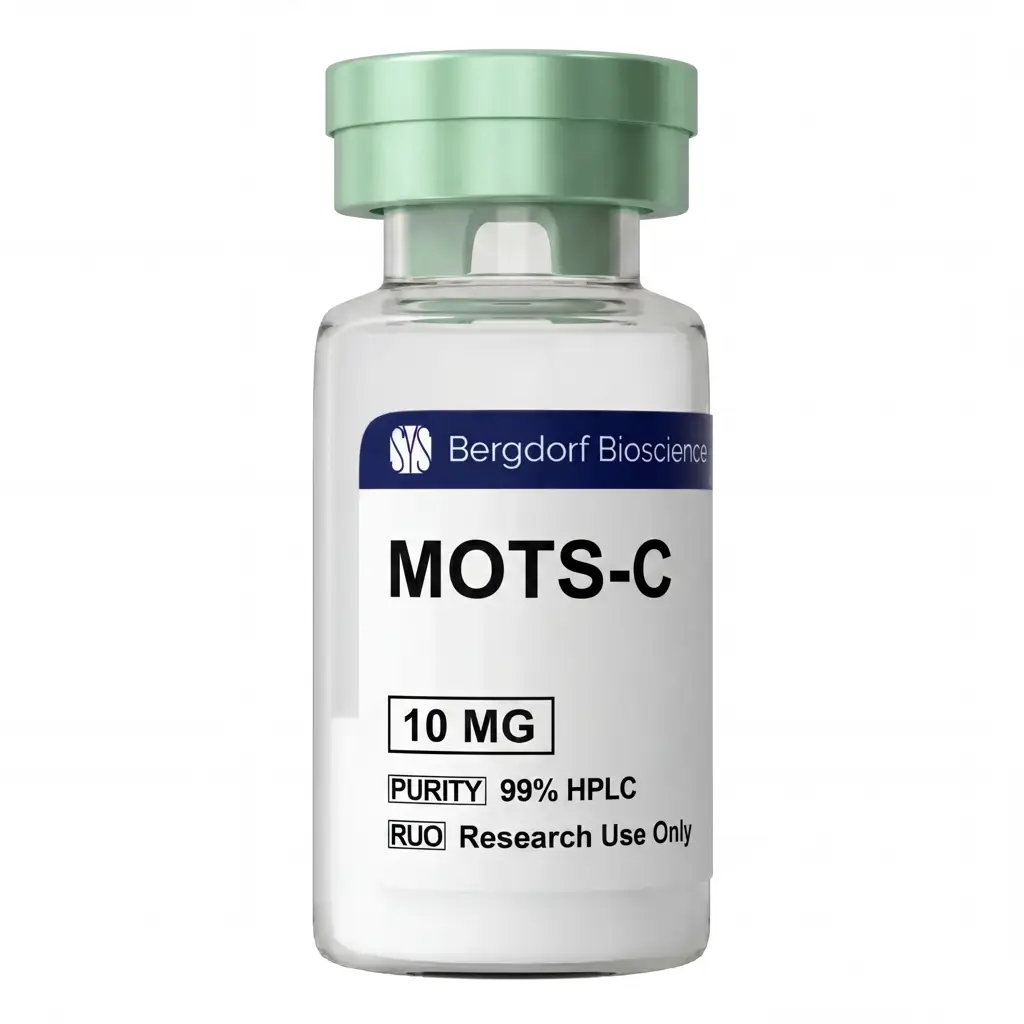
MOTS-c 10mg
MOTS-c 10mg lyophilized. Mitochondrially encoded peptide (16 AA), researched for the AMPK pathway and metabolic homeostasis. >=99% HPLC, CoA included. Fast EU shipping.

Research peptide
MOTS-c 10mg lyophilized. Mitochondrially encoded peptide (16 AA), researched for the AMPK pathway and metabolic homeostasis. >=99% HPLC, CoA included. Fast EU shipping.
Research peptide
MOTS-c 10mg lyophilized. Mitochondrially encoded peptide (16 AA), researched for the AMPK pathway and metabolic homeostasis. >=99% HPLC, CoA included. Fast EU shipping.
/ vial
Order today → Delivery Fri, Oct 02 – Mon, Oct 12 to United States
Payment Methods







/ vial
Order today → Delivery Fri, Oct 02 – Mon, Oct 12 to United States
Payment Methods
No reviews yet. Be the first to share your experience.
No reviews yet. Be the first to share your experience.
Independently verified quality
3,000+
satisfied researchers
99.43%
Avg. purity 2026
4.8 ★
ProvenExpert
99.43%
Avg. purity 2026
4.8 ★
ProvenExpert
3,000+ satisfied researchers
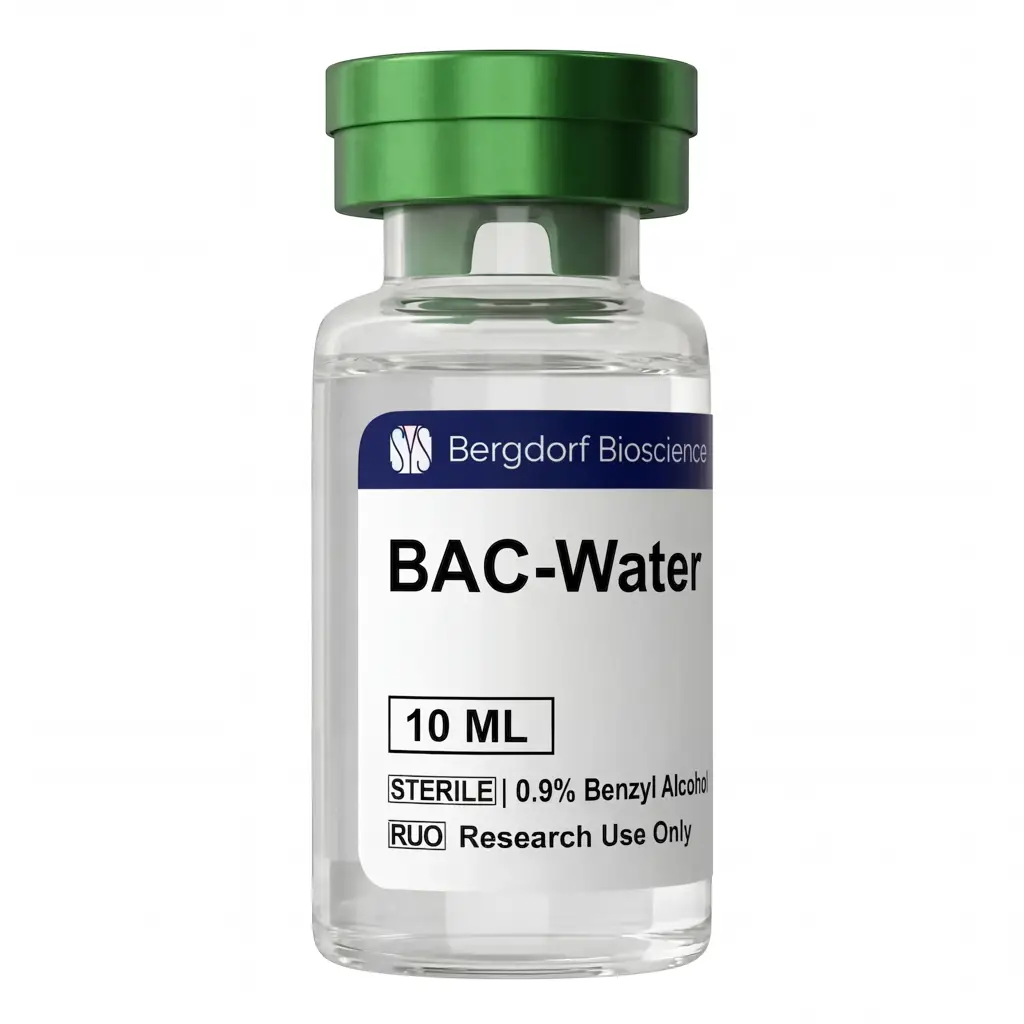
MOTS-c 10mg - 1 Pack vial + 2 ml BAC water → concentration:
Per unit (10 IU)
0.50 mg
Research details
MOTS-c (Mitochondrial ORF of the 12S rRNA type-c) is a mitochondrially encoded peptide composed of 16 amino acids. Unlike most peptides, it is not encoded in the cell nucleus but in the 12S rRNA gene of mitochondrial DNA, which places it in the group of mitochondrial-derived peptides (MDP). It was described in 2015 by Lee et al. in Cell Metabolism. In preclinical research, MOTS-c is studied as a regulator of energy metabolism: it influences the folate-methionine cycle, promotes activation of AMP-activated protein kinase (AMPK), and can translocate into the cell nucleus under metabolic stress to help regulate gene expression there.
Research focuses on insulin sensitivity, glucose uptake, metabolic flexibility, physical performance, and age-related metabolism. The product is supplied as a high-purity lyophilized powder with a purity of at least 99% (HPLC) in a 10 mg vial. Each batch comes with a Certificate of Analysis (CoA). For research and laboratory use only, not intended for human consumption.
MOTS-c regulates metabolic homeostasis primarily via the AMPK pathway. It modulates the folate-methionine cycle, leading to accumulation of AICAR, an endogenous AMPK activator that enhances cellular glucose uptake and metabolic flexibility. Under metabolic stress MOTS-c translocates from the mitochondria to the nucleus and co-regulates nuclear gene expression, including NRF2-dependent antioxidant-response genes.
Advanced protocol
5-10 mg per administration (research dose), reconstituted, subcutaneous; research protocols vary
Note: The dosages listed correspond to typical ranges from published research literature. They do not replace advice from a qualified researcher or physician.
Every batch is analyzed by an independent laboratory via HPLC before shipment. We document purity (avg. 99.43% in 2026), mass spectrometry identity, and sterility. Production follows GMP standards in ISO-certified laboratories.
MOTS-c (Mitochondrial ORF of the 12S rRNA type-c) is a mitochondrially encoded peptide made up of 16 amino acids. It belongs to the mitochondrial-derived peptides (MDP) and is studied in research as a regulator of energy metabolism and the AMPK signaling pathway.
Independently verified quality
3,000+
satisfied researchers
99.43%
Avg. purity 2026
4.8 ★
ProvenExpert
99.43%
Avg. purity 2026
4.8 ★
ProvenExpert
3,000+ satisfied researchers
MOTS-c 10mg - 1 Pack vial + 2 ml BAC water → concentration:
Per unit (10 IU)
0.50 mg
Research details
MOTS-c (Mitochondrial ORF of the 12S rRNA type-c) is a mitochondrially encoded peptide composed of 16 amino acids. Unlike most peptides, it is not encoded in the cell nucleus but in the 12S rRNA gene of mitochondrial DNA, which places it in the group of mitochondrial-derived peptides (MDP). It was described in 2015 by Lee et al. in Cell Metabolism. In preclinical research, MOTS-c is studied as a regulator of energy metabolism: it influences the folate-methionine cycle, promotes activation of AMP-activated protein kinase (AMPK), and can translocate into the cell nucleus under metabolic stress to help regulate gene expression there.
Research focuses on insulin sensitivity, glucose uptake, metabolic flexibility, physical performance, and age-related metabolism. The product is supplied as a high-purity lyophilized powder with a purity of at least 99% (HPLC) in a 10 mg vial. Each batch comes with a Certificate of Analysis (CoA). For research and laboratory use only, not intended for human consumption.
MOTS-c regulates metabolic homeostasis primarily via the AMPK pathway. It modulates the folate-methionine cycle, leading to accumulation of AICAR, an endogenous AMPK activator that enhances cellular glucose uptake and metabolic flexibility. Under metabolic stress MOTS-c translocates from the mitochondria to the nucleus and co-regulates nuclear gene expression, including NRF2-dependent antioxidant-response genes.
Advanced protocol
5-10 mg per administration (research dose), reconstituted, subcutaneous; research protocols vary
Note: The dosages listed correspond to typical ranges from published research literature. They do not replace advice from a qualified researcher or physician.
Every batch is analyzed by an independent laboratory via HPLC before shipment. We document purity (avg. 99.43% in 2026), mass spectrometry identity, and sterility. Production follows GMP standards in ISO-certified laboratories.
MOTS-c (Mitochondrial ORF of the 12S rRNA type-c) is a mitochondrially encoded peptide made up of 16 amino acids. It belongs to the mitochondrial-derived peptides (MDP) and is studied in research as a regulator of energy metabolism and the AMPK signaling pathway.

MOTS-c research overview: AMPK signalling, metabolism, exercise-mimetic data and longevity in animal models. Read the evidence-based guide now.

Longevity-Peptide in der Forschung: NAD+, MOTS-c, Epithalon und GHK-Cu, praeklinisch gerahmt, ohne Anti-Aging-Versprechen.
MOTS-c research overview: AMPK signalling, metabolism, exercise-mimetic data and longevity in animal models. Read the evidence-based guide now.
Longevity-Peptide in der Forschung: NAD+, MOTS-c, Epithalon und GHK-Cu, praeklinisch gerahmt, ohne Anti-Aging-Versprechen.