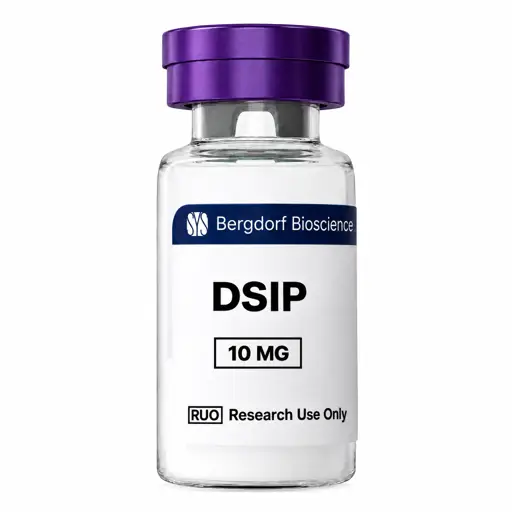
DSIP Peptide 10 mg
Neuropeptide
From
$69.99

Compare Semax, Selank, DSIP and Pinealon as distinct materials with separate research contexts.
Compare Semax, Selank, DSIP and Pinealon as distinct materials with separate research contexts.
4 products
Neuropeptide
Research peptide
Tuftsin analogue
ACTH-fragment analogue
Material comparison
| Product | Material class | Price from | View product |
|---|---|---|---|
| DSIP Peptide 10 mg | Neuropeptide | $69.99 | View product: DSIP Peptide 10 mg |
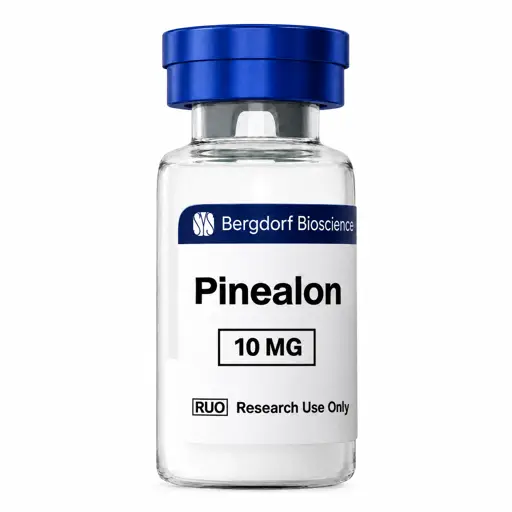
| Pinealon 10 mg | Research peptide | $57.99 | View product: Pinealon 10 mg |
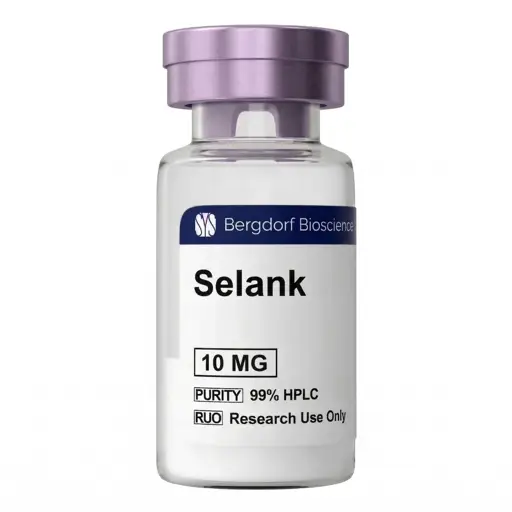
| Selank | Tuftsin analogue | $56.99 | View product: Selank |
DSIP is a nonapeptide associated with sleep-related research. The other listed materials have distinct peptide identities and research contexts.
Semax is an ACTH-fragment analogue; Selank is a tuftsin analogue.
They are distinct research peptides and should be compared by individual identity.
No. Placement groups materials for navigation and does not establish an effect or transfer findings between candidates.
4 products
Neuropeptide
Research peptide
Tuftsin analogue
ACTH-fragment analogue
Material comparison
| Product | Material class | Price from | View product |
|---|---|---|---|
| DSIP Peptide 10 mg | Neuropeptide | $69.99 | View product: DSIP Peptide 10 mg |
| Pinealon 10 mg | Research peptide | $57.99 | View product: Pinealon 10 mg |
| Selank | Tuftsin analogue | $56.99 | View product: Selank |
DSIP is a nonapeptide associated with sleep-related research. The other listed materials have distinct peptide identities and research contexts.
Semax is an ACTH-fragment analogue; Selank is a tuftsin analogue.
They are distinct research peptides and should be compared by individual identity.
No. Placement groups materials for navigation and does not establish an effect or transfer findings between candidates.
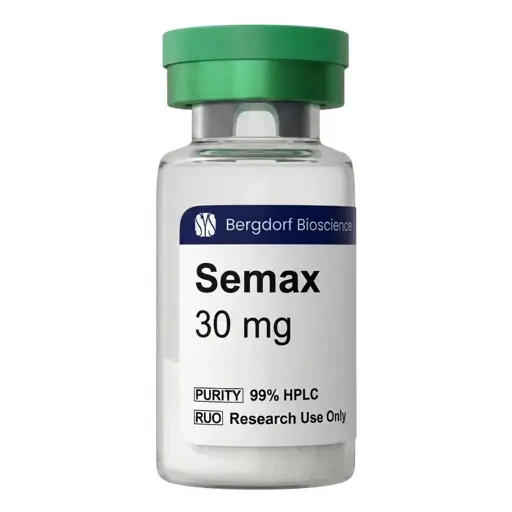
| Semax | ACTH-fragment analogue | $59.99 | View product: Semax |
|---|
| Semax | ACTH-fragment analogue | $59.99 | View product: Semax |
|---|
This category includes four distinct materials for cognitive and neurobiological research. Compare by peptide class and research model rather than assuming that a shared navigation label means a shared pathway.
Semax is an ACTH-fragment analogue; Selank is a tuftsin analogue. This class distinction makes Selank versus Semax a comparison of different peptide identities and research contexts.
DSIP is a nonapeptide associated with sleep-related research. Pinealon is the tripeptide Glu-Asp-Arg, studied in cellular-stress and neuronal models. These identities distinguish both from the Semax and Selank analogues.
For selection, distinguish ACTH-fragment analogue research (Semax), tuftsin analogue research (Selank), sleep-related research (DSIP), and cellular-stress or neuronal models (Pinealon). Then compare the named material itself.
This category includes four distinct materials for cognitive and neurobiological research. Compare by peptide class and research model rather than assuming that a shared navigation label means a shared pathway.
Semax is an ACTH-fragment analogue; Selank is a tuftsin analogue. This class distinction makes Selank versus Semax a comparison of different peptide identities and research contexts.
DSIP is a nonapeptide associated with sleep-related research. Pinealon is the tripeptide Glu-Asp-Arg, studied in cellular-stress and neuronal models. These identities distinguish both from the Semax and Selank analogues.
For selection, distinguish ACTH-fragment analogue research (Semax), tuftsin analogue research (Selank), sleep-related research (DSIP), and cellular-stress or neuronal models (Pinealon). Then compare the named material itself.