Epithalon
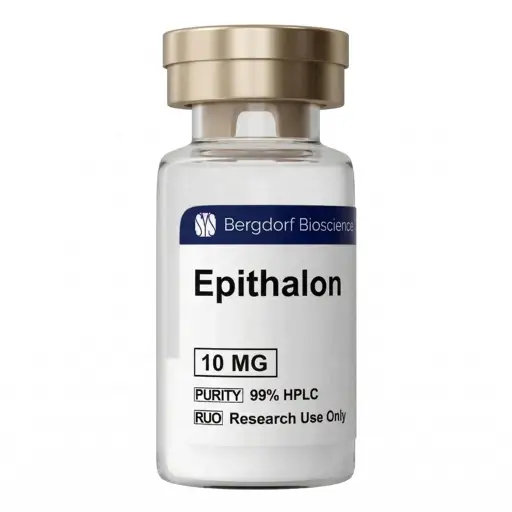
Research peptide
From
$99.99

Compare five materials across longevity research, mitochondrial peptides, a peptide blend and the NAD+ coenzyme.
Compare five materials across longevity research, mitochondrial peptides, a peptide blend and the NAD+ coenzyme.
5 products
Research peptide
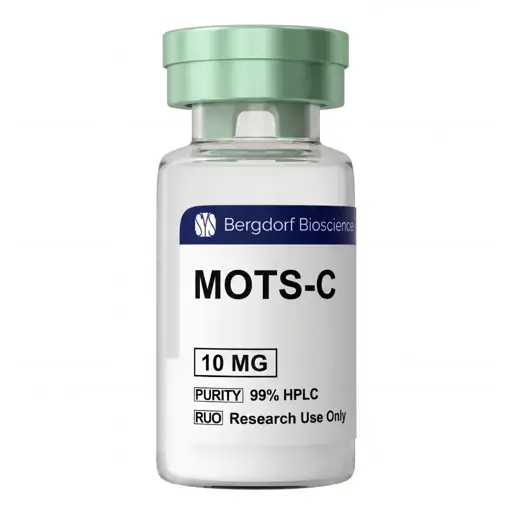
Mitochondrial peptide
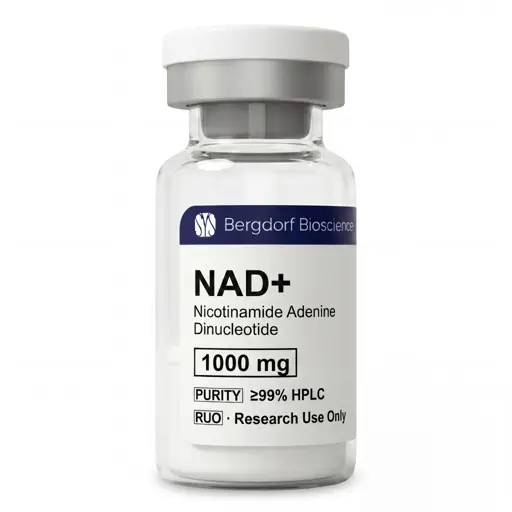
Coenzyme / cofactor
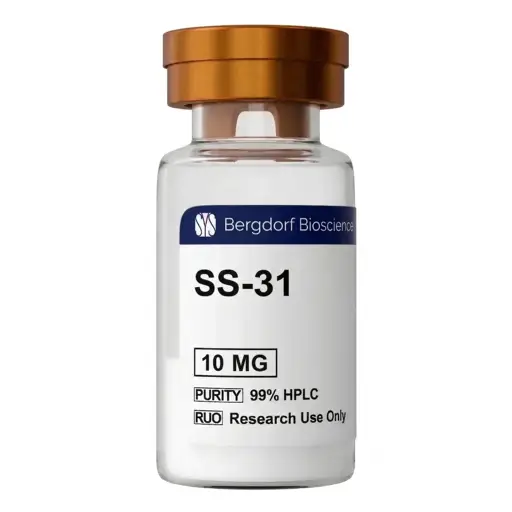
Mitochondrial peptide
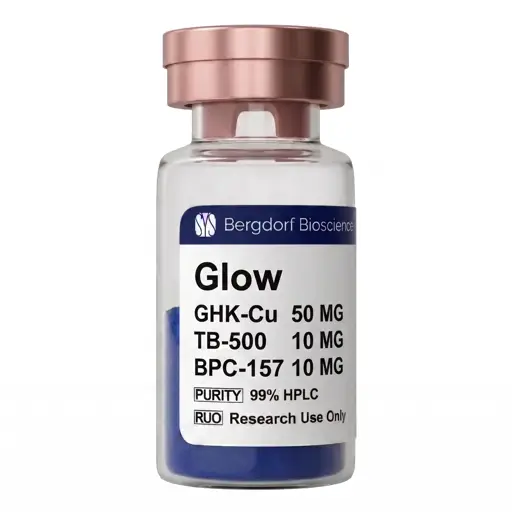
Peptide blend · GHK-Cu + TB-500 + BPC-157
Material comparison
| Product | Material class | Price from | View product |
|---|---|---|---|
| Epithalon | Research peptide | $99.99 | View product: Epithalon |
| MOTS-c 10mg | Mitochondrial peptide | $79.99 | View product: MOTS-c 10mg |
| NAD+ 1000mg | Coenzyme / cofactor | $129.99 | View product: NAD+ 1000mg |
No. NAD+ is a coenzyme and redox cofactor.
Both are mitochondrial peptides, but they are distinct research candidates.
It is a listed peptide blend. Consult its product specification for the stated components.
No. The label refers to a research area and does not establish a human outcome.
5 products
Research peptide
Mitochondrial peptide
Coenzyme / cofactor
Mitochondrial peptide
Peptide blend · GHK-Cu + TB-500 + BPC-157
Material comparison
| Product | Material class | Price from | View product |
|---|---|---|---|
| Epithalon | Research peptide | $99.99 | View product: Epithalon |
| MOTS-c 10mg | Mitochondrial peptide | $79.99 | View product: MOTS-c 10mg |
| NAD+ 1000mg | Coenzyme / cofactor | $129.99 | View product: NAD+ 1000mg |
No. NAD+ is a coenzyme and redox cofactor.
Both are mitochondrial peptides, but they are distinct research candidates.
It is a listed peptide blend. Consult its product specification for the stated components.
No. The label refers to a research area and does not establish a human outcome.
| SS-31 (Elamipretide) | Mitochondrial peptide | $94.99 | View product: SS-31 (Elamipretide) |
|---|
| Glow Stack (GHK-Cu 50mg, TB-500 10mg, BPC-157 10mg) | Peptide blend · GHK-Cu + TB-500 + BPC-157 | $109.99 | View product: Glow Stack (GHK-Cu 50mg, TB-500 10mg, BPC-157 10mg) |
|---|
| SS-31 (Elamipretide) | Mitochondrial peptide | $94.99 | View product: SS-31 (Elamipretide) |
|---|
| Glow Stack (GHK-Cu 50mg, TB-500 10mg, BPC-157 10mg) | Peptide blend · GHK-Cu + TB-500 + BPC-157 | $109.99 | View product: Glow Stack (GHK-Cu 50mg, TB-500 10mg, BPC-157 10mg) |
|---|
Anti-aging and longevity are research areas, not demonstrated human outcomes. This category contains five materials across peptide, coenzyme and blend formats, so molecular identity is a useful starting point for comparison.
MOTS-c is a mitochondrially derived peptide. SS-31 is a synthetic mitochondrial tetrapeptide. Both are studied in mitochondrial research, but their origin and sequence differ, making them distinct candidates rather than interchangeable materials.
Epithalon is a synthetic tetrapeptide. Glow Stack combines GHK-Cu, TB-500 and BPC-157. This category therefore includes individual peptides, a defined blend and the separate NAD+ coenzyme; its names support comparison by molecular class and stated composition.
NAD+ is a coenzyme and redox cofactor. It is chemically distinct from the peptides and is included to support comparison across cellular and mitochondrial research materials.
Choose by the research question and material class: mitochondrial peptide (MOTS-c or SS-31), synthetic tetrapeptide (Epithalon), defined peptide blend (Glow Stack), or coenzyme (NAD+). The anti-aging label names the research area, not an established effect in people.
Anti-aging and longevity are research areas, not demonstrated human outcomes. This category contains five materials across peptide, coenzyme and blend formats, so molecular identity is a useful starting point for comparison.
MOTS-c is a mitochondrially derived peptide. SS-31 is a synthetic mitochondrial tetrapeptide. Both are studied in mitochondrial research, but their origin and sequence differ, making them distinct candidates rather than interchangeable materials.
Epithalon is a synthetic tetrapeptide. Glow Stack combines GHK-Cu, TB-500 and BPC-157. This category therefore includes individual peptides, a defined blend and the separate NAD+ coenzyme; its names support comparison by molecular class and stated composition.
NAD+ is a coenzyme and redox cofactor. It is chemically distinct from the peptides and is included to support comparison across cellular and mitochondrial research materials.
Choose by the research question and material class: mitochondrial peptide (MOTS-c or SS-31), synthetic tetrapeptide (Epithalon), defined peptide blend (Glow Stack), or coenzyme (NAD+). The anti-aging label names the research area, not an established effect in people.