Kisspeptin-10
Neuropeptide
From
$73.90

Compare Kisspeptin-10, PT-141 and VIP by material identity and signaling context.
Compare Kisspeptin-10, PT-141 and VIP by material identity and signaling context.
3 products
Neuropeptide
Melanocortin analogue
Neuropeptide
Material comparison
| Product | Material class | Price from | View product |
|---|---|---|---|
| Kisspeptin-10 | Neuropeptide | $73.90 | View product: Kisspeptin-10 |
| PT-141 10 mg | Melanocortin analogue | $69.99 | View product: PT-141 10 mg |
| VIP 10 mg | Neuropeptide | $124.99 | View product: VIP 10 mg |
Kisspeptin-10, PT-141 and VIP.
PT-141 is a melanocortin analogue; Kisspeptin-10 is a neuropeptide associated with kisspeptin signaling.
No. Their molecular identities and signaling contexts differ.
Kisspeptin-10 is associated with KISS1R, PT-141 is a melanocortin analogue associated with MC4R, and VIP with VPAC1 and VPAC2. Compare candidates by the pathway relevant to the research question.
3 products
Neuropeptide
Melanocortin analogue
Neuropeptide
Material comparison
| Product | Material class | Price from | View product |
|---|---|---|---|
| Kisspeptin-10 | Neuropeptide | $73.90 | View product: Kisspeptin-10 |
| PT-141 10 mg | Melanocortin analogue | $69.99 | View product: PT-141 10 mg |
| VIP 10 mg | Neuropeptide | $124.99 | View product: VIP 10 mg |
Kisspeptin-10, PT-141 and VIP.
PT-141 is a melanocortin analogue; Kisspeptin-10 is a neuropeptide associated with kisspeptin signaling.
No. Their molecular identities and signaling contexts differ.
Kisspeptin-10 is associated with KISS1R, PT-141 is a melanocortin analogue associated with MC4R, and VIP with VPAC1 and VPAC2. Compare candidates by the pathway relevant to the research question.
This category contains three peptide materials that represent distinct signaling pathways: Kisspeptin-10, PT-141 and VIP. Their shared hormonal and neuroendocrine context is a navigation aid, while each material addresses a different research question.
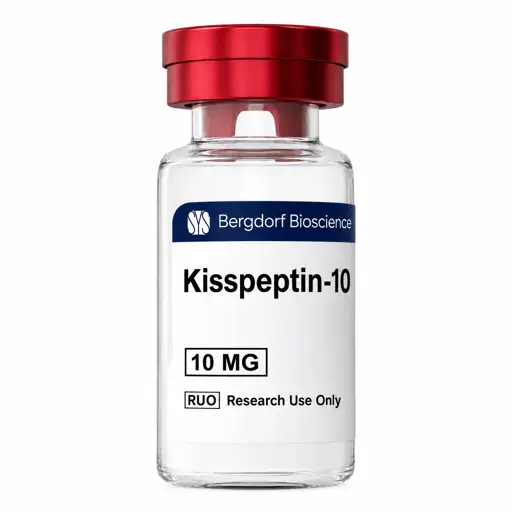
Kisspeptin-10 is a decapeptide associated with KISS1R signaling and neuroendocrine research.
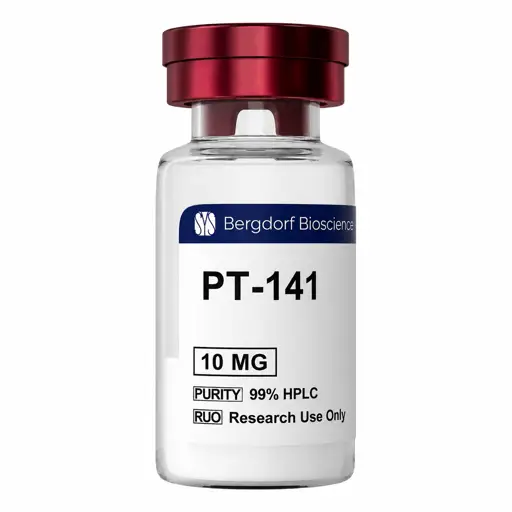
PT-141 is a melanocortin analogue associated with MC4R signaling. Its class and pathway differ from Kisspeptin-10 and VIP.
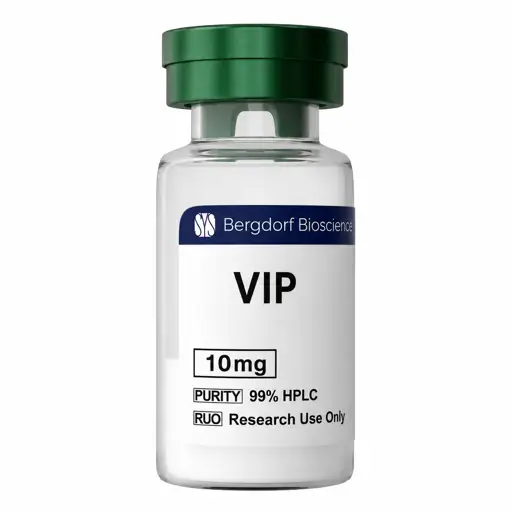
VIP is vasoactive intestinal peptide, a neuropeptide associated with VPAC1 and VPAC2 signaling. It represents a distinct peptide-signaling research context alongside Kisspeptin-10 and PT-141.
Choose by pathway: KISS1R-associated research for Kisspeptin-10, melanocortin signaling for PT-141, or VPAC1/VPAC2 peptide signaling for VIP. Their category placement brings these neuroendocrine materials together while keeping their identities distinct.
This category contains three peptide materials that represent distinct signaling pathways: Kisspeptin-10, PT-141 and VIP. Their shared hormonal and neuroendocrine context is a navigation aid, while each material addresses a different research question.
Kisspeptin-10 is a decapeptide associated with KISS1R signaling and neuroendocrine research.
PT-141 is a melanocortin analogue associated with MC4R signaling. Its class and pathway differ from Kisspeptin-10 and VIP.
VIP is vasoactive intestinal peptide, a neuropeptide associated with VPAC1 and VPAC2 signaling. It represents a distinct peptide-signaling research context alongside Kisspeptin-10 and PT-141.
Choose by pathway: KISS1R-associated research for Kisspeptin-10, melanocortin signaling for PT-141, or VPAC1/VPAC2 peptide signaling for VIP. Their category placement brings these neuroendocrine materials together while keeping their identities distinct.