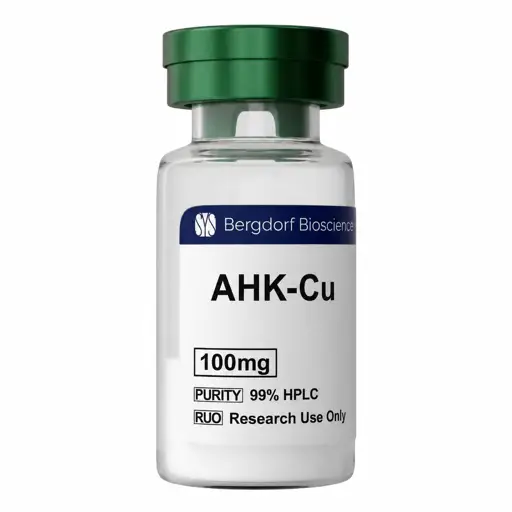
AHK-Cu 100 mg
Copper peptide
From
$89.99
Explore copper peptides and melanocortin analogues as distinct material classes relevant to skin, hair and pigmentation research.
Explore copper peptides and melanocortin analogues as distinct material classes relevant to skin, hair and pigmentation research.
4 products
Copper peptide
Copper peptide
Melanocortin analogue

Melanocortin analogue
Material comparison
| Product | Material class | Price from | View product |
|---|---|---|---|
| AHK-Cu 100 mg | Copper peptide | $89.99 | View product: AHK-Cu 100 mg |
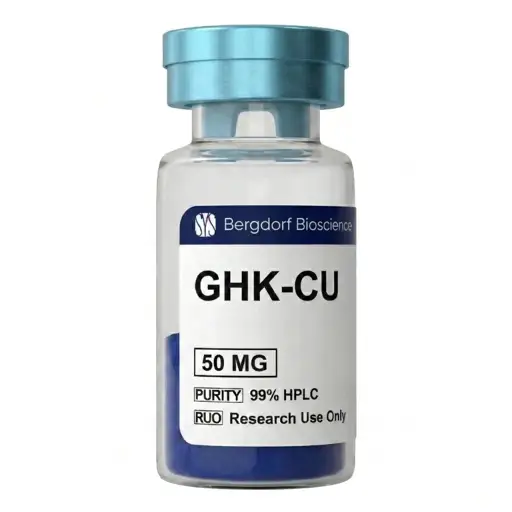
| GHK-Cu | Copper peptide | $39.99 | View product: GHK-Cu |
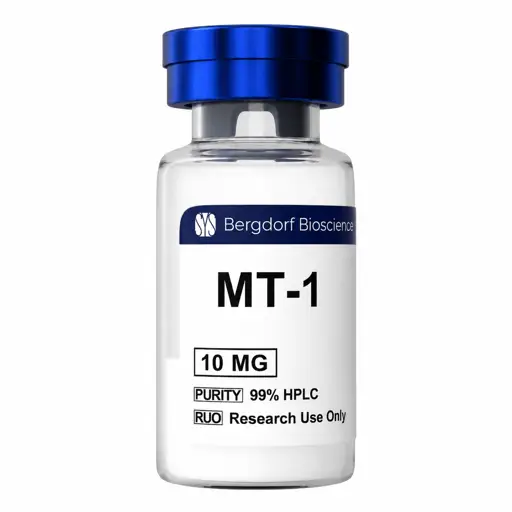
| Melanotan I (MT-1) 10 mg | Melanocortin analogue | $69.99 | View product: Melanotan I (MT-1) 10 mg |
It includes the copper peptides GHK-Cu and AHK-Cu, plus the melanocortin analogues Melanotan I and Melanotan II.
No. They are separate material classes with different research contexts.
Both are melanocortin analogues, but they are distinct materials. Compare their individual product specifications.
It is a research-material category covering skin, hair and pigmentation research contexts, not finished cosmetic products.
4 products
Copper peptide
Copper peptide
Melanocortin analogue
Melanocortin analogue
Material comparison
| Product | Material class | Price from | View product |
|---|---|---|---|
| AHK-Cu 100 mg | Copper peptide | $89.99 | View product: AHK-Cu 100 mg |
| GHK-Cu | Copper peptide | $39.99 | View product: GHK-Cu |
| Melanotan I (MT-1) 10 mg | Melanocortin analogue | $69.99 | View product: Melanotan I (MT-1) 10 mg |
It includes the copper peptides GHK-Cu and AHK-Cu, plus the melanocortin analogues Melanotan I and Melanotan II.
No. They are separate material classes with different research contexts.
Both are melanocortin analogues, but they are distinct materials. Compare their individual product specifications.
It is a research-material category covering skin, hair and pigmentation research contexts, not finished cosmetic products.
| Melanotan II 10mg | Melanocortin analogue | $71.99 | View product: Melanotan II 10mg |
|---|
| Melanotan II 10mg | Melanocortin analogue | $71.99 | View product: Melanotan II 10mg |
|---|
This category groups four research materials in two classes: the copper peptides GHK-Cu and AHK-Cu, and the melanocortin analogues Melanotan I and Melanotan II. The skin and hair label provides one navigation point for these distinct research areas.
GHK-Cu contains the tripeptide sequence Gly-His-Lys coordinated with copper; AHK-Cu contains Ala-His-Lys coordinated with copper. The first residue distinguishes the two copper peptides, a useful identity check when comparing skin-focused and hair-follicle research materials.
Melanotan I is a linear melanocortin analogue, while Melanotan II is cyclic. Both belong to melanocortin research, a different material class from GHK-Cu and AHK-Cu.
For a material choice, identify the question first: copper-peptide research involving GHK-Cu or AHK-Cu, or melanocortin and pigmentation research involving Melanotan I or II. Compare candidates within the relevant class and by their individual identity.
This category groups four research materials in two classes: the copper peptides GHK-Cu and AHK-Cu, and the melanocortin analogues Melanotan I and Melanotan II. The skin and hair label provides one navigation point for these distinct research areas.
GHK-Cu contains the tripeptide sequence Gly-His-Lys coordinated with copper; AHK-Cu contains Ala-His-Lys coordinated with copper. The first residue distinguishes the two copper peptides, a useful identity check when comparing skin-focused and hair-follicle research materials.
Melanotan I is a linear melanocortin analogue, while Melanotan II is cyclic. Both belong to melanocortin research, a different material class from GHK-Cu and AHK-Cu.
For a material choice, identify the question first: copper-peptide research involving GHK-Cu or AHK-Cu, or melanocortin and pigmentation research involving Melanotan I or II. Compare candidates within the relevant class and by their individual identity.