CJC-1295 (No DAC)
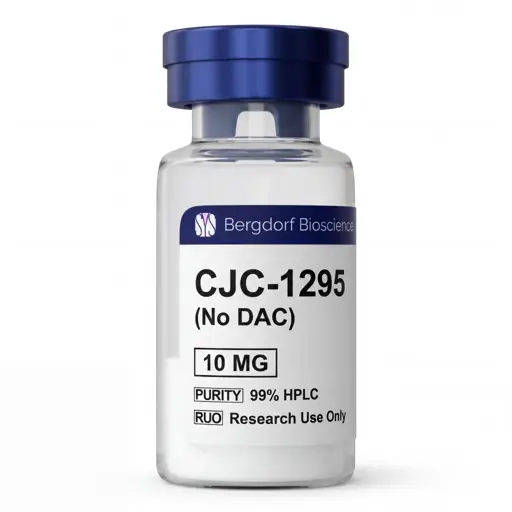
GHRH analogue
From
$138.78

Explore five growth hormone research peptides across GHRH analogues, a peptide blend and a ghrelin-receptor agonist.
Explore five growth hormone research peptides across GHRH analogues, a peptide blend and a ghrelin-receptor agonist.
5 products
GHRH analogue
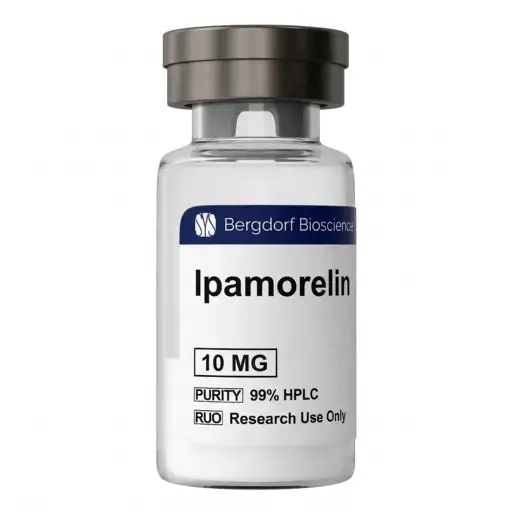
Ghrelin-receptor agonist
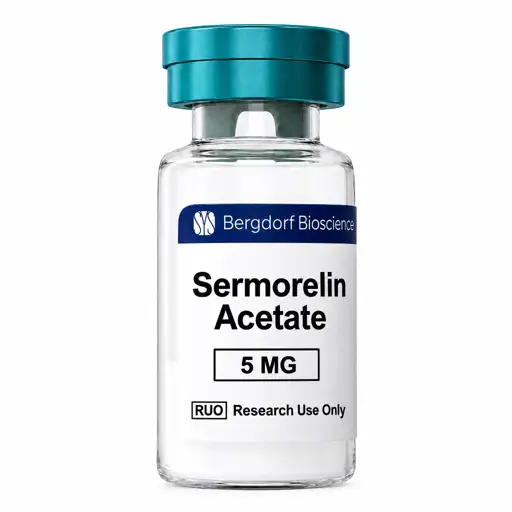
GHRH analogue
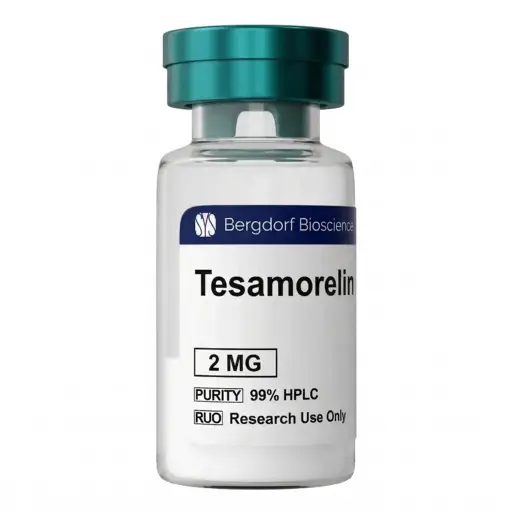
GHRH analogue
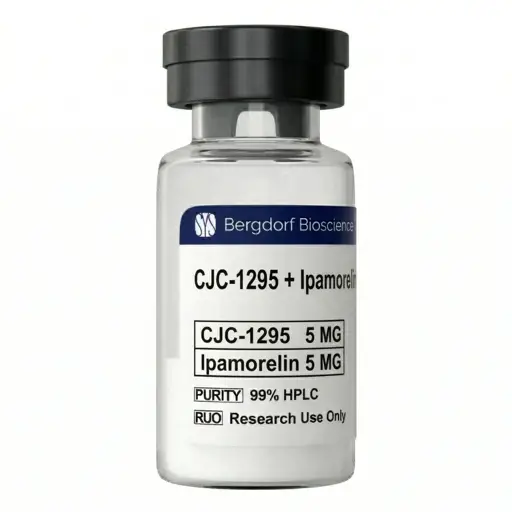
Peptide blend · CJC-1295 + Ipamorelin
Material comparison
| Product | Material class | Price from | View product |
|---|---|---|---|
| CJC-1295 (No DAC) | GHRH analogue | $138.78 | View product: CJC-1295 (No DAC) |
| Ipamorelin | Ghrelin-receptor agonist | $111.92 | View product: Ipamorelin |
| Sermorelin Acetate 5 mg | GHRH analogue | $89.53 | View product: Sermorelin Acetate 5 mg |
The standalone CJC-1295 listing is the no-DAC form. The CJC-1295 and Ipamorelin blend is a separate product listing.
Ipamorelin is a ghrelin-receptor agonist associated with GHSR signaling, a different target from GHRHR.
It is listed as a CJC and ipamorelin peptide blend. Consult its product specification for the stated composition.
CJC-1295 in its listed no-DAC form, sermorelin and tesamorelin are GHRH analogues. Ipamorelin belongs to the ghrelin-receptor agonist class.
5 products
GHRH analogue
Ghrelin-receptor agonist
GHRH analogue
GHRH analogue
Peptide blend · CJC-1295 + Ipamorelin
Material comparison
| Product | Material class | Price from | View product |
|---|---|---|---|
| CJC-1295 (No DAC) | GHRH analogue | $138.78 | View product: CJC-1295 (No DAC) |
| Ipamorelin | Ghrelin-receptor agonist | $111.92 | View product: Ipamorelin |
| Sermorelin Acetate 5 mg | GHRH analogue | $89.53 | View product: Sermorelin Acetate 5 mg |
The standalone CJC-1295 listing is the no-DAC form. The CJC-1295 and Ipamorelin blend is a separate product listing.
Ipamorelin is a ghrelin-receptor agonist associated with GHSR signaling, a different target from GHRHR.
It is listed as a CJC and ipamorelin peptide blend. Consult its product specification for the stated composition.
CJC-1295 in its listed no-DAC form, sermorelin and tesamorelin are GHRH analogues. Ipamorelin belongs to the ghrelin-receptor agonist class.
| Tesamorelin | GHRH analogue | $111.92 | View product: Tesamorelin |
|---|
| CJC-1295/Ipamorelin Blend (No DAC/5mg/5mg) | Peptide blend · CJC-1295 + Ipamorelin | $123.11 | View product: CJC-1295/Ipamorelin Blend (No DAC/5mg/5mg) |
|---|
| Tesamorelin | GHRH analogue | $111.92 | View product: Tesamorelin |
|---|
| CJC-1295/Ipamorelin Blend (No DAC/5mg/5mg) | Peptide blend · CJC-1295 + Ipamorelin | $123.11 | View product: CJC-1295/Ipamorelin Blend (No DAC/5mg/5mg) |
|---|
This category brings together five growth hormone research peptides associated with different points in the somatotropic axis: four single materials and one blend. The useful distinction is target class: GHRH analogues act in a different signaling context from a ghrelin-receptor agonist.
CJC-1295, sermorelin and tesamorelin are GHRH analogues. The standalone CJC-1295 listed here is the no-DAC form; sermorelin and tesamorelin are distinct materials in the same broad class.
Ipamorelin is a ghrelin-receptor agonist associated with GHSR signaling. This distinguishes it from the GHRH analogues and gives researchers a clear class-based comparison.
The listed CJC-1295 and Ipamorelin blend brings together one GHRH analogue and one ghrelin-receptor agonist. It is the category’s single blend alongside four individual materials; its composition does not by itself establish a combined effect.
For material selection, first decide whether the research question concerns GHRH or GHSR signaling. Then distinguish the individual analogue from the CJC-1295 and Ipamorelin blend. The five listed products define this category’s scope.
This category brings together five growth hormone research peptides associated with different points in the somatotropic axis: four single materials and one blend. The useful distinction is target class: GHRH analogues act in a different signaling context from a ghrelin-receptor agonist.
CJC-1295, sermorelin and tesamorelin are GHRH analogues. The standalone CJC-1295 listed here is the no-DAC form; sermorelin and tesamorelin are distinct materials in the same broad class.
Ipamorelin is a ghrelin-receptor agonist associated with GHSR signaling. This distinguishes it from the GHRH analogues and gives researchers a clear class-based comparison.
The listed CJC-1295 and Ipamorelin blend brings together one GHRH analogue and one ghrelin-receptor agonist. It is the category’s single blend alongside four individual materials; its composition does not by itself establish a combined effect.
For material selection, first decide whether the research question concerns GHRH or GHSR signaling. Then distinguish the individual analogue from the CJC-1295 and Ipamorelin blend. The five listed products define this category’s scope.