Tirazeptid 60mg
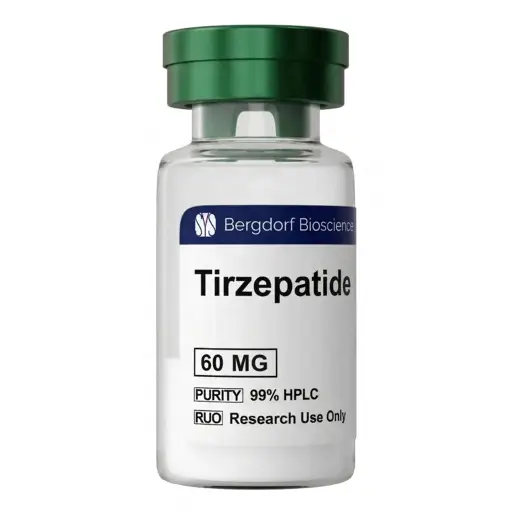
Dual receptor agonist
5.0 / 5(1)
From
$78.34

Compare five research materials by molecular class and signaling profile, including incretin agonists, an amylin analogue and the small-molecule NNMT inhibitor 5-Amino-1MQ.
Compare five research materials by molecular class and signaling profile, including incretin agonists, an amylin analogue and the small-molecule NNMT inhibitor 5-Amino-1MQ.
5 products
Dual receptor agonist

Triple receptor agonist
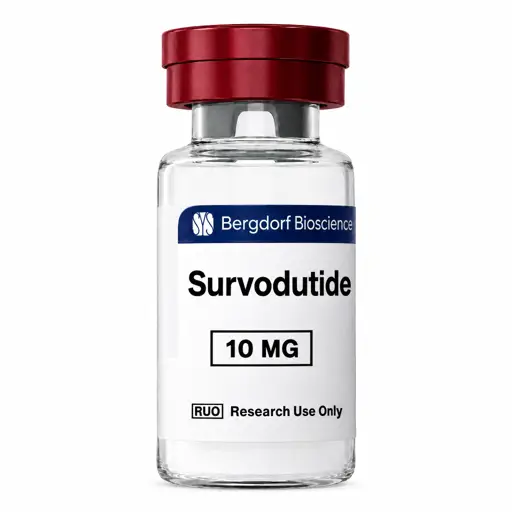
Dual receptor agonist
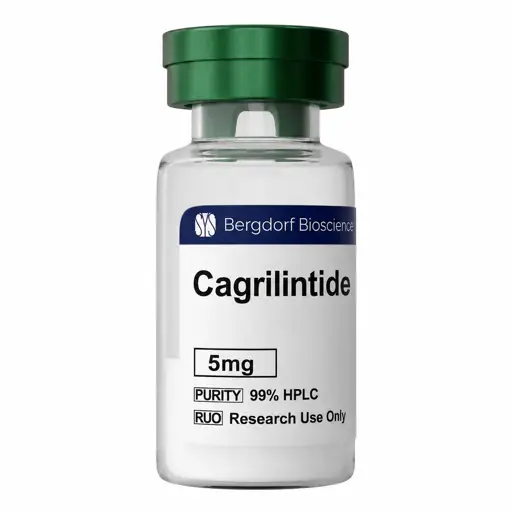
Amylin analogue
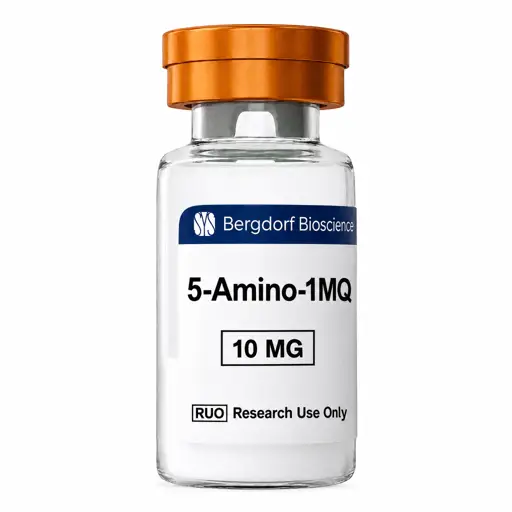
Small-molecule NNMT inhibitor
Material comparison
| Product | Material class | Price from | View product |
|---|---|---|---|
| Tirazeptid 60mg | Dual receptor agonist | $78.34 | View product: Tirazeptid 60mg |
| Retatrutide | Triple receptor agonist | $123.11 | View product: Retatrutide |
| Survodutide 10 mg | Dual receptor agonist | $145.50 | View product |
Retatrutide is a triple agonist at GLP-1, GIP and glucagon receptors. Tirzepatide targets GIP and GLP-1; survodutide targets GLP-1 and glucagon receptors.
No. Cagrilintide is an amylin analogue, a separate class from GLP-1 receptor agonists.
It is a small-molecule NNMT inhibitor. NNMT is an enzyme, so this material is not a peptide or receptor agonist.
No. Their molecular classes and target profiles differ. Compare the specific research question and the individual product specification.
5 products
Dual receptor agonist
Triple receptor agonist
Dual receptor agonist
Amylin analogue
Small-molecule NNMT inhibitor
Material comparison
| Product | Material class | Price from | View product |
|---|---|---|---|
| Tirazeptid 60mg | Dual receptor agonist | $78.34 | View product: Tirazeptid 60mg |
| Retatrutide | Triple receptor agonist | $123.11 | View product: Retatrutide |
| Survodutide 10 mg | Dual receptor agonist | $145.50 | View product |
Retatrutide is a triple agonist at GLP-1, GIP and glucagon receptors. Tirzepatide targets GIP and GLP-1; survodutide targets GLP-1 and glucagon receptors.
No. Cagrilintide is an amylin analogue, a separate class from GLP-1 receptor agonists.
It is a small-molecule NNMT inhibitor. NNMT is an enzyme, so this material is not a peptide or receptor agonist.
No. Their molecular classes and target profiles differ. Compare the specific research question and the individual product specification.
| Cagrilintide 5 mg | Amylin analogue | $120.87 | View product: Cagrilintide 5 mg |
|---|
| 5-Amino-1MQ 10 mg | Small-molecule NNMT inhibitor | $39.16 | View product: 5-Amino-1MQ 10 mg |
|---|
| Cagrilintide 5 mg | Amylin analogue | $120.87 | View product: Cagrilintide 5 mg |
|---|
| 5-Amino-1MQ 10 mg | Small-molecule NNMT inhibitor | $39.16 | View product: 5-Amino-1MQ 10 mg |
|---|
Research materials in this category address different metabolic questions. Retatrutide combines GLP-1, GIP and glucagon receptor agonism; tirzepatide targets GIP and GLP-1, while survodutide combines GLP-1 and glucagon receptor agonism. Compare the receptor profile that matches the model: the third glucagon target distinguishes retatrutide from the two dual agonists, while the dual agonists also differ in their paired receptor. These profiles define distinct candidates for separate study designs.
Cagrilintide is a synthetic amylin analogue. It offers a different molecular and signaling class from the incretin candidates, so it is a relevant comparator when a research question focuses on amylin alongside GLP-1 or GIP pathways.
5-Amino-1MQ is a small-molecule inhibitor of nicotinamide N-methyltransferase (NNMT). NNMT is an enzyme, so this compound represents an enzyme-inhibitor research question rather than peptide or receptor-agonist research.
For a receptor comparison, begin with the target profile; for an enzyme-focused question, distinguish 5-Amino-1MQ from the peptide candidates. Then compare the exact material identity on its product page. Evidence about one compound or class does not establish the properties of another.
Research materials in this category address different metabolic questions. Retatrutide combines GLP-1, GIP and glucagon receptor agonism; tirzepatide targets GIP and GLP-1, while survodutide combines GLP-1 and glucagon receptor agonism. Compare the receptor profile that matches the model: the third glucagon target distinguishes retatrutide from the two dual agonists, while the dual agonists also differ in their paired receptor. These profiles define distinct candidates for separate study designs.
Cagrilintide is a synthetic amylin analogue. It offers a different molecular and signaling class from the incretin candidates, so it is a relevant comparator when a research question focuses on amylin alongside GLP-1 or GIP pathways.
5-Amino-1MQ is a small-molecule inhibitor of nicotinamide N-methyltransferase (NNMT). NNMT is an enzyme, so this compound represents an enzyme-inhibitor research question rather than peptide or receptor-agonist research.
For a receptor comparison, begin with the target profile; for an enzyme-focused question, distinguish 5-Amino-1MQ from the peptide candidates. Then compare the exact material identity on its product page. Evidence about one compound or class does not establish the properties of another.