The Best Peptides for Regeneration and Tissue Research at a Glance
Dr. Sieglinde Klaus
Scientific Editorial Team · Bergdorf Bioscience


Dr. Sieglinde Klaus
Scientific Editorial Team · Bergdorf Bioscience
Dr. Sieglinde Klaus
Scientific Editorial Team · Bergdorf Bioscience
The best peptides for regeneration studied in preclinical research are BPC-157 (a pentadecapeptide of 15 amino acids) and TB-500 (a 43-amino-acid fragment of thymosin beta-4). Both are described as pro-angiogenic in animal models and, in studies, promote cell migration and collagen synthesis. All findings come exclusively from laboratory and animal research, not from approved applications.
In tissue research, peptides are assessed by how consistently they trigger cellular repair processes in controlled animal models. The best peptides for regeneration are characterized in the literature by three measurable properties: a pro-angiogenic effect (formation of new blood vessels), promotion of fibroblast activity, and a stability that allows reproducible laboratory work. BPC-157, with 15 amino acids, is a compact molecule that is stable in gastric acid and was derived from a sequence in human gastric juice. TB-500 (thymosin beta-4) comprises 43 amino acids and acts through binding G-actin. Both substances are supplied lyophilized with a stated purity of at least 99 percent and are declared strictly as research substances. A 2025 narrative review positions BPC-157 between regenerative potential and risk and emphasizes that robust human efficacy data are lacking (Regeneration or Risk?, 2025). For an introduction to the individual substances, the BPC-157 guide and the TB-500 guide are a good starting point. This overview positions the peptides comparatively without making any therapeutic claims. The focus throughout is on what has been reported in controlled experiments and on the physicochemical framework required for clean laboratory characterization.
BPC-157 (Body Protection Compound) is described in mechanistic research primarily as a pro-angiogenic peptide. The central work by Hsieh and colleagues showed that BPC-157 up-regulates and internalizes vascular endothelial growth factor receptor 2 (VEGFR2), thereby activating the VEGFR2-Akt-eNOS signaling pathway (Hsieh et al., 2017). In parallel, a VEGF-independent route via Src-caveolin-1-eNOS was described, leading to the production of nitric oxide. Both cascades converge on endothelial NO synthase, a key enzyme of vessel formation. In cell cultures of tendon fibroblasts, BPC-157 increased the expression of the growth hormone receptor in a dose- and time-dependent manner, at both the mRNA and protein levels (Chang et al., 2014). This up-regulation is discussed in research as a possible mechanism for the observed increase in fibroblast activity and collagen synthesis. A consolidating review summarizes that BPC-157 is associated with wound-healing processes across various tissue models, without permitting any clinical efficacy to be inferred (Seiwerth et al., 2021). The molecular stability in acidic environments distinguishes BPC-157 from many other peptides and makes it a popular model substrate when angiogenesis pathways are to be addressed experimentally. It remains important to note that these data derive overwhelmingly from rodent models and cell cultures.
The BPC-157 TB-500 synergy is a common co-topic in tissue research because both peptides address different, potentially complementary points of attack. BPC-157 acts in animal models primarily via the VEGFR2-Akt-eNOS pathway and local angiogenesis, while TB-500, as a thymosin beta-4 fragment, promotes cell migration and re-epithelialization through the sequestration of G-actin. In the conceptual model, one peptide engages vascular supply and the other cell migration, which serves in discussion pieces as a basis for a synergistic view. Scientific caution is essential: there are no controlled human studies demonstrating a synergy in humans; the combination remains a preclinical and theoretical research construct. A direct mechanistic comparison is prepared in the compare BPC-157 vs TB-500. Anyone wishing to distinguish the combined view from blend formulations will find a structured juxtaposition in the comparison KLOW-Stack vs TB500/BPC157-Blend. Relevant for laboratory practice is that both substances should be reconstituted and characterized separately before combination experiments are planned, to rule out confusion in concentration determination. The synergy hypothesis is therefore a methodologically demanding but open field of research that requires clean controls and documented purity specifications of at least 99 percent.
TB-500 is a synthetic 43-amino-acid fragment of thymosin beta-4 and is among the most frequently studied molecules in peptide tissue research. Its central mechanism is the binding and sequestration of monomeric G-actin, which influences cell migration, angiogenesis, and re-epithelialization in model systems. The foundational work by Malinda showed, in rodent wound models, an increase in re-epithelialization of up to around 61 percent as well as increased collagen deposition (Malinda et al., 1999). Ehrlich and Hazard later described that thymosin beta-4 organizes connective tissue and reduces the appearance of myofibroblasts, which in their models was associated with improved repair quality and less scarring (Ehrlich and Hazard, 2010). A recent scoping review screened PubMed, Europe PMC, and ClinicalTrials.gov, reviewed 124 reports, and included 80 studies to consolidate the state of knowledge on TB4 and TB-500 in tissue regeneration and musculoskeletal repair (Appl. Sci., 2026). This systematic screening underlines the breadth of the preclinical database but at the same time makes clear that controlled clinical endpoint studies are still lacking. The TB-500 guide explores the individual findings in depth. In laboratory characterization, TB-500 is a rewarding substrate owing to its size and solubility, but should always be handled as a pure research substance.
Musculoskeletal research forms the most extensive block of data on BPC-157. A review by Gwyer, Wragg, and Wilson summarizes that the gastric pentadecapeptide accelerates the healing of tendons, muscles, and ligaments in rodent models and plays a role in soft tissue (Gwyer et al., 2019). In experimental setups, improved blood-flow recovery and an increased number of vessels were reported in hind-limb ischemia models, which supports the pro-angiogenic mechanism. A study by Sikiric and colleagues examined BPC-157 as a model substance after surgical detachment of the quadriceps muscle from its attachments and described effects on the muscle-to-bone (osteotendinous) junctions in rats (Sikiric et al., 2025). At the cellular level, the dose- and time-dependent up-regulation of the growth hormone receptor in tendon fibroblasts fits this picture and is discussed as a possible mediator of the observed collagen and fibroblast response. Decisive for the scientific classification is that these are consistently animal and cell experiments: there are no completed controlled human efficacy studies, and individual human pilot data are limited to very small cohorts. For a comparative view with other regeneration peptides, the compare BPC-157 vs TB-500 provides a structured basis that places the tendon and muscle data in relation.
Alongside the classic regeneration peptides, research also investigates immunomodulatory-oriented peptides that address different questions. KPV is a tripeptide (three amino acids) that, as a C-terminal fragment of alpha-melanocyte-stimulating hormone, is associated with inflammation-modulating pathways in model systems. Thymosin alpha-1 is a 28-amino-acid peptide discussed in immunological research as a modulator of T-cell maturation. These peptides therefore primarily address the inflammation and immune axis, while BPC-157 and TB-500 focus on angiogenesis and cell migration. This distinction is important for tissue research because regeneration and inflammation regulation are closely intertwined but methodologically separate processes to investigate. Anyone wishing to explore the immune-oriented peptides will find the respective data in the KPV guide and the thymosin alpha-1 guide. A direct comparison of the two immunomodulatory candidates is prepared in the compare KPV vs thymosin alpha-1. In laboratory practice, these substances differ markedly in size and solubility: the compact KPV tripeptide behaves differently in reconstitution and handling than the larger peptides. All four substances, however, share the same regulatory framework, namely the exclusive declaration as a research substance without any approval for human use.
For the reproducible characterization of regeneration peptides, the physicochemical framework is decisive. BPC-157 and TB-500 are supplied lyophilized (freeze-dried) with a stated purity of at least 99 percent. In this state they are stable in long-term storage at minus 20 degrees Celsius, while lyophilized material also tolerates ambient temperatures for shorter transport. After reconstitution with bacteriostatic or sterile water, the solution should be kept refrigerated at 2 to 8 degrees Celsius and protected from repeated freeze-thaw cycles, as these can impair peptide integrity. BPC-157 has the property, notable for research, of remaining stable in the acidic gastric environment, which distinguishes it from many labile peptides and is rooted in its source material from human gastric juice. Concentration determination should be verified gravimetrically and, where possible, by analytical methods such as HPLC to confirm the stated purity. For combination experiments within the BPC-157 TB-500 synergy, both peptides should be prepared and documented separately before they are brought together in a model. Practical guidance on reconstitution and concentration calculation can be found in the BPC-157 guide. Clean documentation of batch, purity, solvent, and storage temperature is the fundamental prerequisite for citable, reproducible research results.
In the preclinical literature on the best peptides for regeneration, dosages are reported exclusively as animal-model parameters, usually expressed as micrograms per kilogram of body weight of the experimental animals. These figures are pure research parameters and cannot be transferred to humans; a human dose is deliberately not stated here. Typical experimental setups with BPC-157 in rodents used intraperitoneal or local administration over defined time windows, with the dose- and time-dependent nature of the effects, such as growth hormone receptor expression, repeatedly emphasized (Chang et al., 2014). For TB-500, wound-healing models documented re-epithelialization rates as a function of timing and concentration of administration (Malinda et al., 1999). Methodologically sound studies work with placebo or vehicle controls, standardized injury models, and blinded evaluation to minimize bias. For planning one's own cell or animal experiments, the literature recommends calculating the concentration precisely via the reconstituted solution and consistently including control groups. The scoping review on TB4 and TB-500, with its 80 included studies, offers a valuable overview of the range of models used (Appl. Sci., 2026). Every protocol plan should explicitly document the research character of the substances and the absence of clinical validation.
The regulatory classification is central to any serious work with regeneration peptides. In animal models and one small human pilot study, BPC-157 was described as well tolerated even at high doses, without a toxic or lethal threshold or teratogenic or genotoxic signals being reported. These tolerability data must not, however, be misunderstood as proof of efficacy or safety for humans. In late 2023, the US FDA placed BPC-157 in Category 2, which flags significant safety risks for use in compounded preparations; an immunogenicity potential was also noted. There are no completed controlled human efficacy studies, and the existing human data are limited to very small pilot cohorts, for example on musculoskeletal pain or interstitial cystitis. For athletes, BPC-157 is prohibited by WADA and USADA. The US Department of Defense program Operation Supplement Safety explicitly lists BPC-157 as an unapproved drug and prohibited peptide found in health and wellness products (Operation Supplement Safety). A narrative review aptly titles the evidence with the question of regeneration or risk (Regeneration or Risk?, 2025). These conditions explain why all information in this guide remains strictly tied to the research context.
Angiogenesis, the formation of new blood vessels from existing ones, is regarded in tissue research as a limiting factor of many repair processes because freshly repairing tissue requires an adequate supply of oxygen and nutrients. It is precisely here that the mechanistic interest in BPC-157 lies. The work by Hsieh and colleagues showed that BPC-157 up-regulates and internalizes VEGFR2 and thereby activates endothelial nitric oxide synthase (Hsieh et al., 2017). In hind-limb ischemia models in rats, improved blood-flow recovery and an increased number of newly formed vessels were reported, underscoring the functional relevance of the pathway. TB-500 is also attributed a pro-angiogenic component in the literature, alongside its promotion of cell migration and re-epithelialization. For experimental practice, this means that angiogenesis endpoints such as vessel density, capillary count per field of view, or blood-flow measurements are important readouts when regeneration peptides are characterized. The convergence of both BPC-157 pathways, the VEGF-dependent and the VEGF-independent Src-caveolin-1-eNOS route, on NO production makes the peptide an interesting tool to address angiogenesis mechanisms in isolation (Seiwerth et al., 2021). As always: these findings derive from rodent and cell models and are not transferable to humans. They do, however, clearly position the substances in the field of angiogenesis-oriented research.
A serious assessment of the regeneration peptides requires a precise classification of the evidence level. By far the most findings on BPC-157 and TB-500 come from rodent models and cell cultures; they describe mechanistic relationships and effects in controlled laboratory environments, not clinical outcomes in humans. This distinction is not formal but substantively decisive: between a positive signal in an animal model and a proven benefit in humans lie several validation stages that these peptides have not yet passed. The scoping review on TB4 and TB-500 reviewed 124 reports and included 80 studies, illustrating the breadth of the preclinical basis while at the same time making the absence of controlled clinical endpoint studies visible (Appl. Sci., 2026). For BPC-157, a 2025 narrative review explicitly emphasizes the tension between regenerative potential and risk and calls for methodologically stricter research (Regeneration or Risk?, 2025). Anyone planning their own experiments should therefore consistently implement control groups, blinded evaluation, standardized models, and transparent purity specifications of at least 99 percent, and interpret the results exclusively in the research context. Comparative resources such as the compare BPC-157 vs TB-500 help to juxtapose the data on the individual substances objectively. Only such a disciplined classification protects against the over-interpretation of promising but preclinical signals.
In comparative research, BPC-157 is frequently used as a reference substance when angiogenesis-oriented regeneration models are planned. As a pentadecapeptide with 15 amino acids and documented stability in acidic environments, it is well suited as a starting point for methodological comparisons with the larger TB-500 or with immune-oriented peptides such as KPV and thymosin alpha-1. The compare KLOW-Stack vs TB500/BPC157-Blend shows how combination approaches are discussed in a structured way in the literature, without any application recommendation being derived from it. For laboratories wishing to characterize BPC-157 as a research substance, the lyophilized material with a stated purity of at least 99 percent is available in the EU range from EUR 66.99 (gross, start of the price range) with tiered volume pricing for one to three vials; it is offered exclusively for research and laboratory purposes. Order BPC-157 now. The Saleor category is Recovery, which reflects its positioning in the regeneration research field. For further study of the individual substances, the BPC-157 guide, the TB-500 guide, the KPV guide, and the thymosin alpha-1 guide provide the respective in-depth data. Every characterization should be carried out with clean documentation of batch, solvent, and storage conditions to secure citable results.
No. Both peptides are declared exclusively as research substances and hold no medicinal approval. In late 2023, the FDA placed BPC-157 in Category 2 with significant safety risks for compounding, and there are no completed controlled human efficacy studies.
The term describes the hypothesis that BPC-157 (pro-angiogenic via VEGFR2) and TB-500 (cell-migration-promoting via G-actin binding) address complementary mechanisms. This synergy is so far a purely preclinical and theoretical construct; controlled human studies demonstrating a combined effect do not exist.
Lyophilized material is stable long-term at minus 20 degrees Celsius. After reconstitution, the solution should be kept refrigerated at 2 to 8 degrees Celsius and protected from repeated freeze-thaw cycles to preserve peptide integrity and the stated purity of at least 99 percent.
BPC-157 is derived from a sequence in human gastric juice and retains its structure even at low pH. This stability distinguishes it from many labile peptides and makes it a popular model substrate for angiogenesis investigations in research.
By far the largest data basis comes from rodent models and cell cultures. Human data are limited to very small pilot studies. A scoping review on TB4 and TB-500 reviewed 124 reports and included 80 studies, underlining the breadth of the preclinical evidence but also the absence of controlled clinical endpoint studies.
For research purposes only. Not intended for human consumption. Scientific editing: Dr. Sieglinde Klaus
The best peptides for regeneration studied in preclinical research are BPC-157 (a pentadecapeptide of 15 amino acids) and TB-500 (a 43-amino-acid fragment of thymosin beta-4). Both are described as pro-angiogenic in animal models and, in studies, promote cell migration and collagen synthesis. All findings come exclusively from laboratory and animal research, not from approved applications.
In tissue research, peptides are assessed by how consistently they trigger cellular repair processes in controlled animal models. The best peptides for regeneration are characterized in the literature by three measurable properties: a pro-angiogenic effect (formation of new blood vessels), promotion of fibroblast activity, and a stability that allows reproducible laboratory work. BPC-157, with 15 amino acids, is a compact molecule that is stable in gastric acid and was derived from a sequence in human gastric juice. TB-500 (thymosin beta-4) comprises 43 amino acids and acts through binding G-actin. Both substances are supplied lyophilized with a stated purity of at least 99 percent and are declared strictly as research substances. A 2025 narrative review positions BPC-157 between regenerative potential and risk and emphasizes that robust human efficacy data are lacking (Regeneration or Risk?, 2025). For an introduction to the individual substances, the BPC-157 guide and the TB-500 guide are a good starting point. This overview positions the peptides comparatively without making any therapeutic claims. The focus throughout is on what has been reported in controlled experiments and on the physicochemical framework required for clean laboratory characterization.
BPC-157 (Body Protection Compound) is described in mechanistic research primarily as a pro-angiogenic peptide. The central work by Hsieh and colleagues showed that BPC-157 up-regulates and internalizes vascular endothelial growth factor receptor 2 (VEGFR2), thereby activating the VEGFR2-Akt-eNOS signaling pathway (Hsieh et al., 2017). In parallel, a VEGF-independent route via Src-caveolin-1-eNOS was described, leading to the production of nitric oxide. Both cascades converge on endothelial NO synthase, a key enzyme of vessel formation. In cell cultures of tendon fibroblasts, BPC-157 increased the expression of the growth hormone receptor in a dose- and time-dependent manner, at both the mRNA and protein levels (Chang et al., 2014). This up-regulation is discussed in research as a possible mechanism for the observed increase in fibroblast activity and collagen synthesis. A consolidating review summarizes that BPC-157 is associated with wound-healing processes across various tissue models, without permitting any clinical efficacy to be inferred (Seiwerth et al., 2021). The molecular stability in acidic environments distinguishes BPC-157 from many other peptides and makes it a popular model substrate when angiogenesis pathways are to be addressed experimentally. It remains important to note that these data derive overwhelmingly from rodent models and cell cultures.
The BPC-157 TB-500 synergy is a common co-topic in tissue research because both peptides address different, potentially complementary points of attack. BPC-157 acts in animal models primarily via the VEGFR2-Akt-eNOS pathway and local angiogenesis, while TB-500, as a thymosin beta-4 fragment, promotes cell migration and re-epithelialization through the sequestration of G-actin. In the conceptual model, one peptide engages vascular supply and the other cell migration, which serves in discussion pieces as a basis for a synergistic view. Scientific caution is essential: there are no controlled human studies demonstrating a synergy in humans; the combination remains a preclinical and theoretical research construct. A direct mechanistic comparison is prepared in the compare BPC-157 vs TB-500. Anyone wishing to distinguish the combined view from blend formulations will find a structured juxtaposition in the comparison KLOW-Stack vs TB500/BPC157-Blend. Relevant for laboratory practice is that both substances should be reconstituted and characterized separately before combination experiments are planned, to rule out confusion in concentration determination. The synergy hypothesis is therefore a methodologically demanding but open field of research that requires clean controls and documented purity specifications of at least 99 percent.
TB-500 is a synthetic 43-amino-acid fragment of thymosin beta-4 and is among the most frequently studied molecules in peptide tissue research. Its central mechanism is the binding and sequestration of monomeric G-actin, which influences cell migration, angiogenesis, and re-epithelialization in model systems. The foundational work by Malinda showed, in rodent wound models, an increase in re-epithelialization of up to around 61 percent as well as increased collagen deposition (Malinda et al., 1999). Ehrlich and Hazard later described that thymosin beta-4 organizes connective tissue and reduces the appearance of myofibroblasts, which in their models was associated with improved repair quality and less scarring (Ehrlich and Hazard, 2010). A recent scoping review screened PubMed, Europe PMC, and ClinicalTrials.gov, reviewed 124 reports, and included 80 studies to consolidate the state of knowledge on TB4 and TB-500 in tissue regeneration and musculoskeletal repair (Appl. Sci., 2026). This systematic screening underlines the breadth of the preclinical database but at the same time makes clear that controlled clinical endpoint studies are still lacking. The TB-500 guide explores the individual findings in depth. In laboratory characterization, TB-500 is a rewarding substrate owing to its size and solubility, but should always be handled as a pure research substance.
Musculoskeletal research forms the most extensive block of data on BPC-157. A review by Gwyer, Wragg, and Wilson summarizes that the gastric pentadecapeptide accelerates the healing of tendons, muscles, and ligaments in rodent models and plays a role in soft tissue (Gwyer et al., 2019). In experimental setups, improved blood-flow recovery and an increased number of vessels were reported in hind-limb ischemia models, which supports the pro-angiogenic mechanism. A study by Sikiric and colleagues examined BPC-157 as a model substance after surgical detachment of the quadriceps muscle from its attachments and described effects on the muscle-to-bone (osteotendinous) junctions in rats (Sikiric et al., 2025). At the cellular level, the dose- and time-dependent up-regulation of the growth hormone receptor in tendon fibroblasts fits this picture and is discussed as a possible mediator of the observed collagen and fibroblast response. Decisive for the scientific classification is that these are consistently animal and cell experiments: there are no completed controlled human efficacy studies, and individual human pilot data are limited to very small cohorts. For a comparative view with other regeneration peptides, the compare BPC-157 vs TB-500 provides a structured basis that places the tendon and muscle data in relation.
Alongside the classic regeneration peptides, research also investigates immunomodulatory-oriented peptides that address different questions. KPV is a tripeptide (three amino acids) that, as a C-terminal fragment of alpha-melanocyte-stimulating hormone, is associated with inflammation-modulating pathways in model systems. Thymosin alpha-1 is a 28-amino-acid peptide discussed in immunological research as a modulator of T-cell maturation. These peptides therefore primarily address the inflammation and immune axis, while BPC-157 and TB-500 focus on angiogenesis and cell migration. This distinction is important for tissue research because regeneration and inflammation regulation are closely intertwined but methodologically separate processes to investigate. Anyone wishing to explore the immune-oriented peptides will find the respective data in the KPV guide and the thymosin alpha-1 guide. A direct comparison of the two immunomodulatory candidates is prepared in the compare KPV vs thymosin alpha-1. In laboratory practice, these substances differ markedly in size and solubility: the compact KPV tripeptide behaves differently in reconstitution and handling than the larger peptides. All four substances, however, share the same regulatory framework, namely the exclusive declaration as a research substance without any approval for human use.
For the reproducible characterization of regeneration peptides, the physicochemical framework is decisive. BPC-157 and TB-500 are supplied lyophilized (freeze-dried) with a stated purity of at least 99 percent. In this state they are stable in long-term storage at minus 20 degrees Celsius, while lyophilized material also tolerates ambient temperatures for shorter transport. After reconstitution with bacteriostatic or sterile water, the solution should be kept refrigerated at 2 to 8 degrees Celsius and protected from repeated freeze-thaw cycles, as these can impair peptide integrity. BPC-157 has the property, notable for research, of remaining stable in the acidic gastric environment, which distinguishes it from many labile peptides and is rooted in its source material from human gastric juice. Concentration determination should be verified gravimetrically and, where possible, by analytical methods such as HPLC to confirm the stated purity. For combination experiments within the BPC-157 TB-500 synergy, both peptides should be prepared and documented separately before they are brought together in a model. Practical guidance on reconstitution and concentration calculation can be found in the BPC-157 guide. Clean documentation of batch, purity, solvent, and storage temperature is the fundamental prerequisite for citable, reproducible research results.
In the preclinical literature on the best peptides for regeneration, dosages are reported exclusively as animal-model parameters, usually expressed as micrograms per kilogram of body weight of the experimental animals. These figures are pure research parameters and cannot be transferred to humans; a human dose is deliberately not stated here. Typical experimental setups with BPC-157 in rodents used intraperitoneal or local administration over defined time windows, with the dose- and time-dependent nature of the effects, such as growth hormone receptor expression, repeatedly emphasized (Chang et al., 2014). For TB-500, wound-healing models documented re-epithelialization rates as a function of timing and concentration of administration (Malinda et al., 1999). Methodologically sound studies work with placebo or vehicle controls, standardized injury models, and blinded evaluation to minimize bias. For planning one's own cell or animal experiments, the literature recommends calculating the concentration precisely via the reconstituted solution and consistently including control groups. The scoping review on TB4 and TB-500, with its 80 included studies, offers a valuable overview of the range of models used (Appl. Sci., 2026). Every protocol plan should explicitly document the research character of the substances and the absence of clinical validation.
The regulatory classification is central to any serious work with regeneration peptides. In animal models and one small human pilot study, BPC-157 was described as well tolerated even at high doses, without a toxic or lethal threshold or teratogenic or genotoxic signals being reported. These tolerability data must not, however, be misunderstood as proof of efficacy or safety for humans. In late 2023, the US FDA placed BPC-157 in Category 2, which flags significant safety risks for use in compounded preparations; an immunogenicity potential was also noted. There are no completed controlled human efficacy studies, and the existing human data are limited to very small pilot cohorts, for example on musculoskeletal pain or interstitial cystitis. For athletes, BPC-157 is prohibited by WADA and USADA. The US Department of Defense program Operation Supplement Safety explicitly lists BPC-157 as an unapproved drug and prohibited peptide found in health and wellness products (Operation Supplement Safety). A narrative review aptly titles the evidence with the question of regeneration or risk (Regeneration or Risk?, 2025). These conditions explain why all information in this guide remains strictly tied to the research context.
Angiogenesis, the formation of new blood vessels from existing ones, is regarded in tissue research as a limiting factor of many repair processes because freshly repairing tissue requires an adequate supply of oxygen and nutrients. It is precisely here that the mechanistic interest in BPC-157 lies. The work by Hsieh and colleagues showed that BPC-157 up-regulates and internalizes VEGFR2 and thereby activates endothelial nitric oxide synthase (Hsieh et al., 2017). In hind-limb ischemia models in rats, improved blood-flow recovery and an increased number of newly formed vessels were reported, underscoring the functional relevance of the pathway. TB-500 is also attributed a pro-angiogenic component in the literature, alongside its promotion of cell migration and re-epithelialization. For experimental practice, this means that angiogenesis endpoints such as vessel density, capillary count per field of view, or blood-flow measurements are important readouts when regeneration peptides are characterized. The convergence of both BPC-157 pathways, the VEGF-dependent and the VEGF-independent Src-caveolin-1-eNOS route, on NO production makes the peptide an interesting tool to address angiogenesis mechanisms in isolation (Seiwerth et al., 2021). As always: these findings derive from rodent and cell models and are not transferable to humans. They do, however, clearly position the substances in the field of angiogenesis-oriented research.
A serious assessment of the regeneration peptides requires a precise classification of the evidence level. By far the most findings on BPC-157 and TB-500 come from rodent models and cell cultures; they describe mechanistic relationships and effects in controlled laboratory environments, not clinical outcomes in humans. This distinction is not formal but substantively decisive: between a positive signal in an animal model and a proven benefit in humans lie several validation stages that these peptides have not yet passed. The scoping review on TB4 and TB-500 reviewed 124 reports and included 80 studies, illustrating the breadth of the preclinical basis while at the same time making the absence of controlled clinical endpoint studies visible (Appl. Sci., 2026). For BPC-157, a 2025 narrative review explicitly emphasizes the tension between regenerative potential and risk and calls for methodologically stricter research (Regeneration or Risk?, 2025). Anyone planning their own experiments should therefore consistently implement control groups, blinded evaluation, standardized models, and transparent purity specifications of at least 99 percent, and interpret the results exclusively in the research context. Comparative resources such as the compare BPC-157 vs TB-500 help to juxtapose the data on the individual substances objectively. Only such a disciplined classification protects against the over-interpretation of promising but preclinical signals.
In comparative research, BPC-157 is frequently used as a reference substance when angiogenesis-oriented regeneration models are planned. As a pentadecapeptide with 15 amino acids and documented stability in acidic environments, it is well suited as a starting point for methodological comparisons with the larger TB-500 or with immune-oriented peptides such as KPV and thymosin alpha-1. The compare KLOW-Stack vs TB500/BPC157-Blend shows how combination approaches are discussed in a structured way in the literature, without any application recommendation being derived from it. For laboratories wishing to characterize BPC-157 as a research substance, the lyophilized material with a stated purity of at least 99 percent is available in the EU range from EUR 66.99 (gross, start of the price range) with tiered volume pricing for one to three vials; it is offered exclusively for research and laboratory purposes. Order BPC-157 now. The Saleor category is Recovery, which reflects its positioning in the regeneration research field. For further study of the individual substances, the BPC-157 guide, the TB-500 guide, the KPV guide, and the thymosin alpha-1 guide provide the respective in-depth data. Every characterization should be carried out with clean documentation of batch, solvent, and storage conditions to secure citable results.
No. Both peptides are declared exclusively as research substances and hold no medicinal approval. In late 2023, the FDA placed BPC-157 in Category 2 with significant safety risks for compounding, and there are no completed controlled human efficacy studies.
The term describes the hypothesis that BPC-157 (pro-angiogenic via VEGFR2) and TB-500 (cell-migration-promoting via G-actin binding) address complementary mechanisms. This synergy is so far a purely preclinical and theoretical construct; controlled human studies demonstrating a combined effect do not exist.
Lyophilized material is stable long-term at minus 20 degrees Celsius. After reconstitution, the solution should be kept refrigerated at 2 to 8 degrees Celsius and protected from repeated freeze-thaw cycles to preserve peptide integrity and the stated purity of at least 99 percent.
BPC-157 is derived from a sequence in human gastric juice and retains its structure even at low pH. This stability distinguishes it from many labile peptides and makes it a popular model substrate for angiogenesis investigations in research.
By far the largest data basis comes from rodent models and cell cultures. Human data are limited to very small pilot studies. A scoping review on TB4 and TB-500 reviewed 124 reports and included 80 studies, underlining the breadth of the preclinical evidence but also the absence of controlled clinical endpoint studies.
For research purposes only. Not intended for human consumption. Scientific editing: Dr. Sieglinde Klaus

BPC-157 research guide: effects, dosage (250-500 mcg), tendon and GI studies. 8 PubMed references.
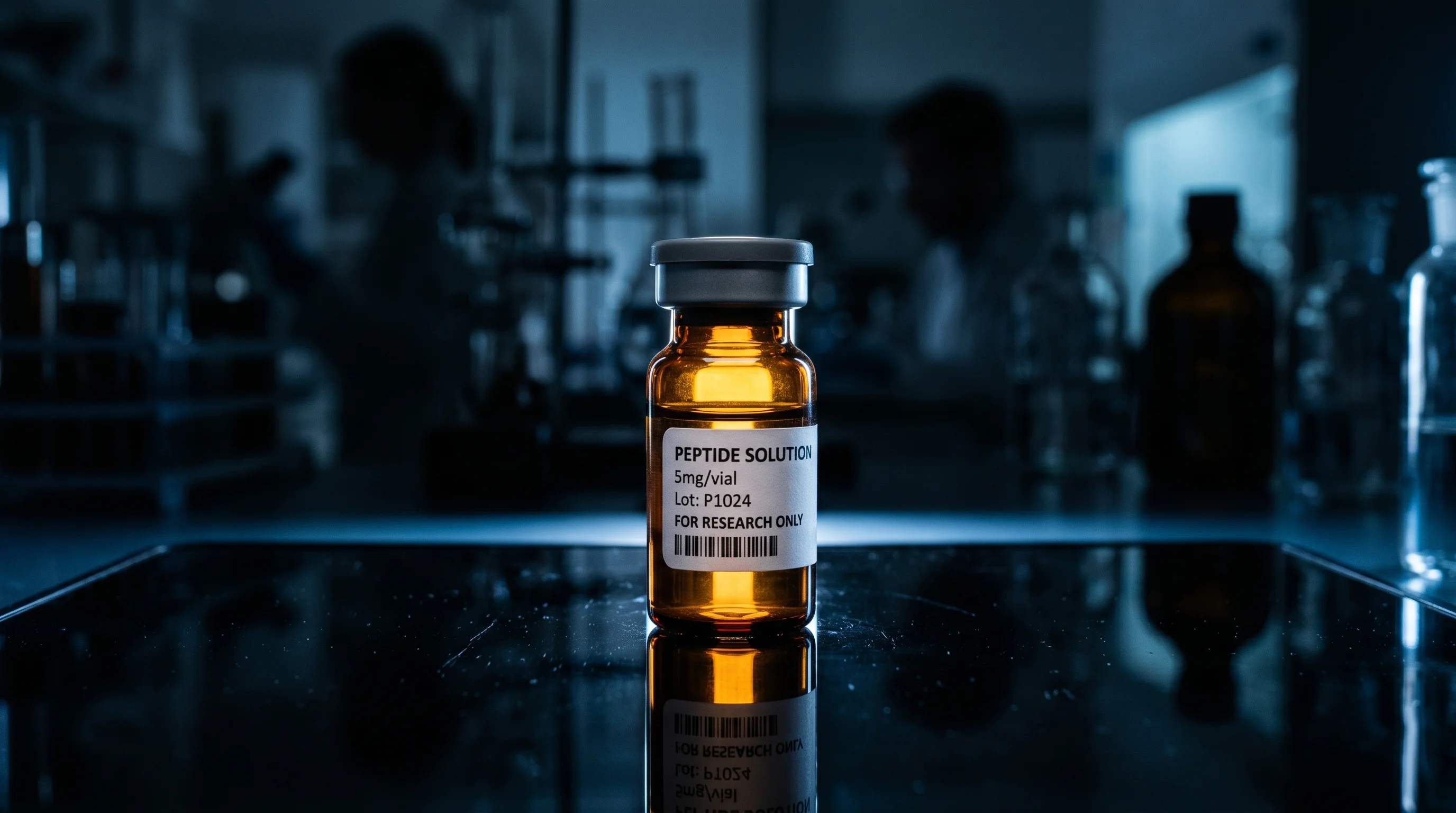
TB-500 (Thymosin Beta-4) explained: actin mechanism, half-life, research dosing, storage and BPC-157 comparison. Explore the research compound at BergdorfBio.

KPV (Lys-Pro-Val): mechanism of action, dosages from studies, half-life, storage and distinctions. Read the research guide from the Bergdorf editorial team.

Thymosin Alpha-1 (Tα1, Thymalfasin): sequence, TLR mechanism, half-life ~2 h, dosing and storage in a research overview. Calculate it in the peptide calculator.
BPC-157 research guide: effects, dosage (250-500 mcg), tendon and GI studies. 8 PubMed references.
TB-500 (Thymosin Beta-4) explained: actin mechanism, half-life, research dosing, storage and BPC-157 comparison. Explore the research compound at BergdorfBio.
KPV (Lys-Pro-Val): mechanism of action, dosages from studies, half-life, storage and distinctions. Read the research guide from the Bergdorf editorial team.
Thymosin Alpha-1 (Tα1, Thymalfasin): sequence, TLR mechanism, half-life ~2 h, dosing and storage in a research overview. Calculate it in the peptide calculator.