
Calcule volumes de reconstituição exatos, unidades de insulina e doses por frasco para qualquer peptídeo.
Frasco, água e dose são conhecidos
Os traços medem o volume, não a substância ativa. 100 IU = 1,00 ml. Quantos mg estão contidos depende da mistura. A calculadora já fez essa conta por si.
Quase todas as seringas de insulina são U-100. Escolha U-40 apenas se a seringa indicar U-40.
MOTS-c (Mitochondrial Open Reading Frame of the Twelve S rRNA type-c) is a 16-amino-acid peptide encoded not by the nuclear genome but by mitochondrial DNA — specifically within the 12S ribosomal RNA gene. It was first identified in 2015 by researchers at the University of Southern California, led by Pinchas Cohen, marking a paradigm shift in our understanding of mitochondria as endocrine-like signaling organelles rather than passive energy factories.
MOTS-c is produced in mitochondria across multiple tissues, released into circulation, and acts as a systemic metabolic hormone. Plasma concentrations decline with age and are lower in individuals with obesity, type 2 diabetes, and metabolic syndrome — positioning MOTS-c as both a biomarker and a therapeutic target for age-related metabolic dysfunction.
The peptide is sometimes described as an "exercise mimetic" because its administration recapitulates key metabolic adaptations induced by physical exercise: improved insulin sensitivity, enhanced fatty acid oxidation, increased skeletal muscle glucose uptake, and reduced adiposity — without requiring the exercise itself. This has generated significant research interest in applications ranging from metabolic disease to healthy aging and longevity protocols.
MOTS-c operates through several interconnected metabolic pathways:
MOTS-c research is still evolving, and human clinical trials are limited. The dosing parameters below reflect current research protocols and the community consensus among peptide researchers. Use the MOTS-c Calculator to calculate exact injection volumes for your vial concentration.
Unlike peptides dosed daily, MOTS-c is typically administered on a weekly schedule:
A standard 10 mg vial reconstituted with 2 mL bacteriostatic water yields a concentration of 5 mg/mL. A 5 mg dose therefore requires 1.0 mL using a 1.0 mL syringe (a single full draw). View MOTS-c at BergdorfBio for purchasing options.
MOTS-c is supplied as a lyophilized (freeze-dried) powder, typically in 5 mg or 10 mg vials. It must be reconstituted with bacteriostatic water (BAC water) before use.
Use the MOTS-c Peptide Calculator to determine the precise draw volume for any dose and concentration combination.
Human safety data on MOTS-c remains limited, and the peptide is classified strictly as a research compound. Based on available animal studies and self-reported human research experience:
No serious adverse events have been attributed to MOTS-c in published animal research at doses comparable to human research protocols. Long-term human safety data is not yet available.
The combination of MOTS-c and SS-31 (Elamipretide) represents a powerful dual-mechanism approach to mitochondrial optimization. While MOTS-c activates AMPK and drives metabolic reprogramming at the systems level, SS-31 directly targets cardiolipin in the inner mitochondrial membrane, restoring electron transport chain efficiency and reducing reactive oxygen species (ROS). Together, they address both the signaling deficits and the structural damage that characterize mitochondrial aging.
For body composition goals, stacking MOTS-c with AOD-9604 — the lipolytic C-terminal fragment of human growth hormone — combines AMPK-driven metabolic enhancement with direct fat cell signaling. AOD-9604 stimulates lipolysis in adipocytes via beta-3 adrenoreceptors while inhibiting de novo lipogenesis. Combined with MOTS-c's improvement in fatty acid oxidation and insulin sensitivity, this stack addresses fat metabolism through complementary pathways.
Many researchers begin with MOTS-c as a standalone compound, particularly for insulin resistance, weight management, or longevity goals. Its broad metabolic effects and once-weekly dosing make it one of the more practical peptides for long-term research protocols.
MOTS-c is unique in being encoded by mitochondrial DNA rather than nuclear DNA — it is the first mitochondria-derived peptide shown to act as a systemic hormone. This gives it a mechanistic profile distinct from peptides like AOD-9604 or CJC-1295: rather than acting on a single receptor, it reprograms cellular metabolism at the level of energy sensing (AMPK) and gene expression.
In animal models, significant improvements in insulin sensitivity and glucose tolerance appear within 2–4 weeks of weekly administration. Human researchers often report subjective improvements in energy levels and exercise recovery within 3–6 weeks. Body composition changes, if they occur, typically require 8–12 weeks to assess.
No. MOTS-c does not interact with the hypothalamic-pituitary-gonadal (HPG) axis and does not suppress endogenous hormone production. No PCT is required after a MOTS-c cycle.
Yes, and this is one of the most scientifically interesting aspects of MOTS-c research. Because MOTS-c activates the same AMPK pathways as exercise, combining the two may produce additive or synergistic effects on metabolic adaptation. Some researchers inject MOTS-c 30–60 minutes before training sessions for this reason.
MOTS-c is one of the most actively researched peptides in the longevity field. Its decline with age, its role in mitochondrial function, and its ability to recapitulate metabolic youth markers make it a compelling subject. Several longevity researchers include it specifically because it targets the mitochondrial aging axis — a pathway implicated in hallmarks of aging including energy decline, insulin resistance, and chronic inflammation.
Yes. MOTS-c's mechanisms are not sex-hormone dependent. Research has been conducted in both male and female animal models with consistent metabolic improvements observed across sexes. Human protocols are used by both men and women without sex-specific dosing adjustments currently indicated.
Given the typical dose volume of 1.0 mL for a 5 mg dose at 5 mg/mL concentration, a 1.0 mL insulin syringe holds a single full draw. A standard 29–31 gauge, 0.5-inch needle is recommended. For smaller fractional doses, an insulin syringe graduated in units makes measurement easier.
Both MOTS-c and metformin activate AMPK, but through distinct mechanisms. Metformin inhibits mitochondrial complex I, which secondarily elevates AMP:ATP ratio and activates AMPK. MOTS-c works via the MTHFR/AICAR pathway to produce a more upstream and physiologically derived AMPK signal. Unlike metformin, MOTS-c does not impair mitochondrial respiration — it enhances it. The two have not been formally studied in combination in humans.
Medical Disclaimer: The information on this page is provided for educational and research purposes only. MOTS-c is not an approved drug or medical treatment. It is sold strictly for research use. Nothing on this page constitutes medical advice, diagnosis, or a recommendation to use any specific compound. Always consult a qualified healthcare professional before beginning any peptide protocol. BergdorfBio assumes no liability for the use or misuse of the information presented here.
Do pó à seringa pronta em cinco passos. As quantidades são fornecidas automaticamente pela calculadora acima.
Deixe o frasco e a água atingirem a temperatura ambiente. Limpe ambas as tampas de borracha com uma compressa de álcool.
Aspire a quantidade de água BAC recomendada pela calculadora com uma seringa maior.
Deixe a água escorrer pela parede de vidro até ao frasco do peptídeo, não a injete diretamente sobre o pó.
Rode o frasco suavemente, não o agite. O pó dissolve-se de forma límpida em 1-2 minutos.
Aspire exatamente até ao traço calculado com a seringa de insulina. Pronto.
Valores iniciais típicos para orientação. Cada linha abre a calculadora para o respectivo peptídeo.
| Peptídeo | Categoria | Dose habitual | Tamanhos de frasco | BAC (início) | Disponível | Calcular |
|---|---|---|---|---|---|---|
| VIP | Pesquisa de neuropeptídeos | - | 10 mg | 2 ml | Só calculadora | Calcular |
| Retatrutide | GLP-1/GIP/GCG | 0,5-12 mg | 2 / 5 / 10 / 15 mg | 2 ml | Só calculadora | Calcular |
| Cagrilintide | Análogo da amilina | - | 5 mg | 2 ml | Só calculadora | Calcular |
| Semaglutid | GLP-1 | 0,25-2,4 mg | 2 / 5 / 10 mg | 2 ml | Só calculadora | Calcular |
| Tirzepatid | GLP-1/GIP | 2,5-15 mg | 5 / 10 / 15 / 20 / 30 / 60 mg | 2 ml | Só calculadora | Calcular |
| GHK-Cu | Kupferpeptid | 1-4 mg | 10 / 20 / 50 mg | 5 ml | Só calculadora | Calcular |
| AHK-Cu | Peptídeo de cobre | - | 100 mg | 5 ml | Só calculadora | Calcular |
| BPC-157 | Gewebereparatur | 0,2-0,5 mg | 2 / 5 / 10 mg | 2 ml | Só calculadora | Calcular |
| TB-500 | Thymosin Beta-4 | 2-5 mg | 2 / 5 / 10 mg | 2 ml | Só calculadora | Calcular |
| CJC-1295 (kein DAC) | GHRH-Analog | 100-200 mcg | 2 / 5 / 10 mg | 2 ml | Só calculadora | Calcular |
| Ipamorelin | GHRP | 200-300 mcg | 2 / 5 mg | 2 ml | Só calculadora | Calcular |
| AOD-9604 | Fettverbrennung | 250-500 mcg | 2 / 5 mg | 2 ml | Só calculadora | Calcular |
| PT-141 | Bremelanotide | - | 2 / 5 / 10 mg | 2 ml | Só calculadora | Calcular |
| MOTS-c | Mitochondrial | 5-10 mg | 5 / 10 mg | 2 ml | Só calculadora | Calcular |
| Selank | Anxiolytisch | 150-500 mcg | 2 / 5 / 10 mg | 2 ml | Só calculadora | Calcular |
| SS-31 | Elamipretide | 0,1-1 mg | 5 / 10 mg | 2 ml | Só calculadora | Calcular |
| Glow Stack | Stack | 0,5-2 mg | 70 mg | 3 ml | Só calculadora | Calcular |
| Klow Stack | Stack | 0,5-2 mg | 55 mg | 3 ml | Só calculadora | Calcular |
| Melanotan II | Melanocortin | 100-1000 mcg | 5 / 10 mg | 2 ml | Só calculadora | Calcular |
| Melanotan I | Melanocortina | - | 5 / 10 mg | 2 ml | Só calculadora | Calcular |
| Sermorelin | GHRH-Analog | 50-300 mcg | 2 / 5 mg | 2 ml | Só calculadora | Calcular |
| Tesamorelin | GHRH-Analog | 1-2 mg | 10 / 20 mg | 2 ml | Só calculadora | Calcular |
| Thymosin Alpha-1 | Thymisches Peptid | 0,8-3,2 mg | 1.6 / 5 / 10 mg | 1 ml | Só calculadora | Calcular |
| Epithalon | Langlebigkeit | 2-10 mg | 10 / 20 / 50 mg | 2 ml | Só calculadora | Calcular |
| KPV | Immun / Barriere | 100-1000 mcg | 5 / 10 mg | 2 ml | Só calculadora | Calcular |
| HGH-Fragment 176-191 | Metabolisches Fragment | 100-500 mcg | 2 / 5 / 10 mg | 2 ml | Só calculadora | Calcular |
| Semax | Kognitiv | 100-1000 mcg | 10 / 30 mg | 2 ml | Só calculadora | Calcular |
| N-Acetyl-Semax | Kognitiv | 100-1000 mcg | 5 / 10 mg | 2 ml | Só calculadora | Calcular |
| Hexarelin | GHRP | 50-200 mcg | 2 / 5 mg | 2 ml | Só calculadora | Calcular |
| GHRP-6 | GHRP | 50-300 mcg | 2 / 5 mg | 2 ml | Só calculadora | Calcular |
| GHRP-2 | GHRP | 50-250 mcg | 2 / 5 mg | 2 ml | Só calculadora | Calcular |
| DSIP | Schlaf | 50-500 mcg | 2 / 5 mg | 2 ml | Só calculadora | Calcular |
| 5-Amino-1MQ | Metabolisch | 2,5-10 mg | 5 / 10 mg | 2 ml | Só calculadora | Calcular |
| HGH 191AA | Wachstumshormon | 1-5 mg | 10 mg | 1 ml | Só calculadora | Calcular |
| NAD+ | Longevity / Cofaktor | 100-500 mg | 1000 mg | 10 ml | Só calculadora | Calcular |
Os valores servem de orientação no contexto de pesquisa e não substituem aconselhamento especializado.
Calcular corretamente a concentração e o volume de injeção parece trivial, mas é a fonte de erro mais comum. Mesmo um erro de cálculo de 10 % durante a reconstituição significa que recebe substância ativa a menos ou que faz uma sobredosagem involuntária.
Os peptídeos liofilizados são fornecidos em miligramas e dissolvidos em água bacteriostática (água BAC). A proporção entre peptídeo e água determina a concentração e, a partir daí, define-se quantos traços aspira na seringa de insulina. As seringas de insulina são graduadas em unidades, não em miligramas. A calculadora trata desta conversão, incluindo a verificação de plausibilidade contra o erro mais perigoso: confundir mg e mcg.
Miligrama (mg) é a unidade em que os peptídeos liofilizados são vendidos, por exemplo «5 mg BPC-157». Micrograma (mcg) mede a dose individual, por exemplo «250 mcg por injeção». 1 mg = 1000 mcg. A calculadora converte automaticamente e avisa quando uma entrada parece ser uma confusão.
U-100 significa que a seringa está calibrada para 100 unidades por mililitro. 100 IU = 1 ml, ou seja, 10 IU = 0,10 ml, independentemente do que está na seringa. O cálculo das IU baseia-se exatamente nesta relação.
Com muito peptídeo e pouca água, a solução fica muito concentrada, pelo que o volume por dose é minúsculo e difícil de ler. Use a ajuda à mistura: ela encontra o volume de água que produz um traço limpo e fácil de ler.
No frigorífico, a 2-8 °C, normalmente 21-30 dias. Identifique o frasco com a data da reconstituição. Soluções turvas ou com partículas são motivo de exclusão.
Os blends contêm várias substâncias ativas num só frasco. Basta selecionar o blend como peptídeo: a calculadora mostra adicionalmente quanto de cada componente está contido na sua injeção. Para combinações de vários frascos separados, use o Stack Builder.
Não. As suas últimas configurações são salvas localmente no navegador e restauradas na próxima visita. Além disso, você pode recuperar cálculos do histórico, salvá-los como protocolo ou compartilhá-los por link.
Escolha um peptídeo para abrir sua página de calculadora dedicada com valores pré-preenchidos.
Calcule volumes de reconstituição exatos, unidades de insulina e doses por frasco para qualquer peptídeo.
Frasco, água e dose são conhecidos
Os traços medem o volume, não a substância ativa. 100 IU = 1,00 ml. Quantos mg estão contidos depende da mistura. A calculadora já fez essa conta por si.
Quase todas as seringas de insulina são U-100. Escolha U-40 apenas se a seringa indicar U-40.
MOTS-c (Mitochondrial Open Reading Frame of the Twelve S rRNA type-c) is a 16-amino-acid peptide encoded not by the nuclear genome but by mitochondrial DNA — specifically within the 12S ribosomal RNA gene. It was first identified in 2015 by researchers at the University of Southern California, led by Pinchas Cohen, marking a paradigm shift in our understanding of mitochondria as endocrine-like signaling organelles rather than passive energy factories.
MOTS-c is produced in mitochondria across multiple tissues, released into circulation, and acts as a systemic metabolic hormone. Plasma concentrations decline with age and are lower in individuals with obesity, type 2 diabetes, and metabolic syndrome — positioning MOTS-c as both a biomarker and a therapeutic target for age-related metabolic dysfunction.
The peptide is sometimes described as an "exercise mimetic" because its administration recapitulates key metabolic adaptations induced by physical exercise: improved insulin sensitivity, enhanced fatty acid oxidation, increased skeletal muscle glucose uptake, and reduced adiposity — without requiring the exercise itself. This has generated significant research interest in applications ranging from metabolic disease to healthy aging and longevity protocols.
MOTS-c operates through several interconnected metabolic pathways:
MOTS-c research is still evolving, and human clinical trials are limited. The dosing parameters below reflect current research protocols and the community consensus among peptide researchers. Use the MOTS-c Calculator to calculate exact injection volumes for your vial concentration.
Unlike peptides dosed daily, MOTS-c is typically administered on a weekly schedule:
A standard 10 mg vial reconstituted with 2 mL bacteriostatic water yields a concentration of 5 mg/mL. A 5 mg dose therefore requires 1.0 mL using a 1.0 mL syringe (a single full draw). View MOTS-c at BergdorfBio for purchasing options.
MOTS-c is supplied as a lyophilized (freeze-dried) powder, typically in 5 mg or 10 mg vials. It must be reconstituted with bacteriostatic water (BAC water) before use.
Use the MOTS-c Peptide Calculator to determine the precise draw volume for any dose and concentration combination.
Human safety data on MOTS-c remains limited, and the peptide is classified strictly as a research compound. Based on available animal studies and self-reported human research experience:
No serious adverse events have been attributed to MOTS-c in published animal research at doses comparable to human research protocols. Long-term human safety data is not yet available.
The combination of MOTS-c and SS-31 (Elamipretide) represents a powerful dual-mechanism approach to mitochondrial optimization. While MOTS-c activates AMPK and drives metabolic reprogramming at the systems level, SS-31 directly targets cardiolipin in the inner mitochondrial membrane, restoring electron transport chain efficiency and reducing reactive oxygen species (ROS). Together, they address both the signaling deficits and the structural damage that characterize mitochondrial aging.
For body composition goals, stacking MOTS-c with AOD-9604 — the lipolytic C-terminal fragment of human growth hormone — combines AMPK-driven metabolic enhancement with direct fat cell signaling. AOD-9604 stimulates lipolysis in adipocytes via beta-3 adrenoreceptors while inhibiting de novo lipogenesis. Combined with MOTS-c's improvement in fatty acid oxidation and insulin sensitivity, this stack addresses fat metabolism through complementary pathways.
Many researchers begin with MOTS-c as a standalone compound, particularly for insulin resistance, weight management, or longevity goals. Its broad metabolic effects and once-weekly dosing make it one of the more practical peptides for long-term research protocols.
MOTS-c is unique in being encoded by mitochondrial DNA rather than nuclear DNA — it is the first mitochondria-derived peptide shown to act as a systemic hormone. This gives it a mechanistic profile distinct from peptides like AOD-9604 or CJC-1295: rather than acting on a single receptor, it reprograms cellular metabolism at the level of energy sensing (AMPK) and gene expression.
In animal models, significant improvements in insulin sensitivity and glucose tolerance appear within 2–4 weeks of weekly administration. Human researchers often report subjective improvements in energy levels and exercise recovery within 3–6 weeks. Body composition changes, if they occur, typically require 8–12 weeks to assess.
No. MOTS-c does not interact with the hypothalamic-pituitary-gonadal (HPG) axis and does not suppress endogenous hormone production. No PCT is required after a MOTS-c cycle.
Yes, and this is one of the most scientifically interesting aspects of MOTS-c research. Because MOTS-c activates the same AMPK pathways as exercise, combining the two may produce additive or synergistic effects on metabolic adaptation. Some researchers inject MOTS-c 30–60 minutes before training sessions for this reason.
MOTS-c is one of the most actively researched peptides in the longevity field. Its decline with age, its role in mitochondrial function, and its ability to recapitulate metabolic youth markers make it a compelling subject. Several longevity researchers include it specifically because it targets the mitochondrial aging axis — a pathway implicated in hallmarks of aging including energy decline, insulin resistance, and chronic inflammation.
Yes. MOTS-c's mechanisms are not sex-hormone dependent. Research has been conducted in both male and female animal models with consistent metabolic improvements observed across sexes. Human protocols are used by both men and women without sex-specific dosing adjustments currently indicated.
Given the typical dose volume of 1.0 mL for a 5 mg dose at 5 mg/mL concentration, a 1.0 mL insulin syringe holds a single full draw. A standard 29–31 gauge, 0.5-inch needle is recommended. For smaller fractional doses, an insulin syringe graduated in units makes measurement easier.
Both MOTS-c and metformin activate AMPK, but through distinct mechanisms. Metformin inhibits mitochondrial complex I, which secondarily elevates AMP:ATP ratio and activates AMPK. MOTS-c works via the MTHFR/AICAR pathway to produce a more upstream and physiologically derived AMPK signal. Unlike metformin, MOTS-c does not impair mitochondrial respiration — it enhances it. The two have not been formally studied in combination in humans.
Medical Disclaimer: The information on this page is provided for educational and research purposes only. MOTS-c is not an approved drug or medical treatment. It is sold strictly for research use. Nothing on this page constitutes medical advice, diagnosis, or a recommendation to use any specific compound. Always consult a qualified healthcare professional before beginning any peptide protocol. BergdorfBio assumes no liability for the use or misuse of the information presented here.
Do pó à seringa pronta em cinco passos. As quantidades são fornecidas automaticamente pela calculadora acima.
Deixe o frasco e a água atingirem a temperatura ambiente. Limpe ambas as tampas de borracha com uma compressa de álcool.
Aspire a quantidade de água BAC recomendada pela calculadora com uma seringa maior.
Deixe a água escorrer pela parede de vidro até ao frasco do peptídeo, não a injete diretamente sobre o pó.
Rode o frasco suavemente, não o agite. O pó dissolve-se de forma límpida em 1-2 minutos.
Aspire exatamente até ao traço calculado com a seringa de insulina. Pronto.
Valores iniciais típicos para orientação. Cada linha abre a calculadora para o respectivo peptídeo.
| Peptídeo | Categoria | Dose habitual | Tamanhos de frasco | BAC (início) | Disponível | Calcular |
|---|---|---|---|---|---|---|
| VIP | Pesquisa de neuropeptídeos | - | 10 mg | 2 ml | Só calculadora | Calcular |
| Retatrutide | GLP-1/GIP/GCG | 0,5-12 mg | 2 / 5 / 10 / 15 mg | 2 ml | Só calculadora | Calcular |
| Cagrilintide | Análogo da amilina | - | 5 mg | 2 ml | Só calculadora | Calcular |
| Semaglutid | GLP-1 | 0,25-2,4 mg | 2 / 5 / 10 mg | 2 ml | Só calculadora | Calcular |
| Tirzepatid | GLP-1/GIP | 2,5-15 mg | 5 / 10 / 15 / 20 / 30 / 60 mg | 2 ml | Só calculadora | Calcular |
| GHK-Cu | Kupferpeptid | 1-4 mg | 10 / 20 / 50 mg | 5 ml | Só calculadora | Calcular |
| AHK-Cu | Peptídeo de cobre | - | 100 mg | 5 ml | Só calculadora | Calcular |
| BPC-157 | Gewebereparatur | 0,2-0,5 mg | 2 / 5 / 10 mg | 2 ml | Só calculadora | Calcular |
| TB-500 | Thymosin Beta-4 | 2-5 mg | 2 / 5 / 10 mg | 2 ml | Só calculadora | Calcular |
| CJC-1295 (kein DAC) | GHRH-Analog | 100-200 mcg | 2 / 5 / 10 mg | 2 ml | Só calculadora | Calcular |
| Ipamorelin | GHRP | 200-300 mcg | 2 / 5 mg | 2 ml | Só calculadora | Calcular |
| AOD-9604 | Fettverbrennung | 250-500 mcg | 2 / 5 mg | 2 ml | Só calculadora | Calcular |
| PT-141 | Bremelanotide | - | 2 / 5 / 10 mg | 2 ml | Só calculadora | Calcular |
| MOTS-c | Mitochondrial | 5-10 mg | 5 / 10 mg | 2 ml | Só calculadora | Calcular |
| Selank | Anxiolytisch | 150-500 mcg | 2 / 5 / 10 mg | 2 ml | Só calculadora | Calcular |
| SS-31 | Elamipretide | 0,1-1 mg | 5 / 10 mg | 2 ml | Só calculadora | Calcular |
| Glow Stack | Stack | 0,5-2 mg | 70 mg | 3 ml | Só calculadora | Calcular |
| Klow Stack | Stack | 0,5-2 mg | 55 mg | 3 ml | Só calculadora | Calcular |
| Melanotan II | Melanocortin | 100-1000 mcg | 5 / 10 mg | 2 ml | Só calculadora | Calcular |
| Melanotan I | Melanocortina | - | 5 / 10 mg | 2 ml | Só calculadora | Calcular |
| Sermorelin | GHRH-Analog | 50-300 mcg | 2 / 5 mg | 2 ml | Só calculadora | Calcular |
| Tesamorelin | GHRH-Analog | 1-2 mg | 10 / 20 mg | 2 ml | Só calculadora | Calcular |
| Thymosin Alpha-1 | Thymisches Peptid | 0,8-3,2 mg | 1.6 / 5 / 10 mg | 1 ml | Só calculadora | Calcular |
| Epithalon | Langlebigkeit | 2-10 mg | 10 / 20 / 50 mg | 2 ml | Só calculadora | Calcular |
| KPV | Immun / Barriere | 100-1000 mcg | 5 / 10 mg | 2 ml | Só calculadora | Calcular |
| HGH-Fragment 176-191 | Metabolisches Fragment | 100-500 mcg | 2 / 5 / 10 mg | 2 ml | Só calculadora | Calcular |
| Semax | Kognitiv | 100-1000 mcg | 10 / 30 mg | 2 ml | Só calculadora | Calcular |
| N-Acetyl-Semax | Kognitiv | 100-1000 mcg | 5 / 10 mg | 2 ml | Só calculadora | Calcular |
| Hexarelin | GHRP | 50-200 mcg | 2 / 5 mg | 2 ml | Só calculadora | Calcular |
| GHRP-6 | GHRP | 50-300 mcg | 2 / 5 mg | 2 ml | Só calculadora | Calcular |
| GHRP-2 | GHRP | 50-250 mcg | 2 / 5 mg | 2 ml | Só calculadora | Calcular |
| DSIP | Schlaf | 50-500 mcg | 2 / 5 mg | 2 ml | Só calculadora | Calcular |
| 5-Amino-1MQ | Metabolisch | 2,5-10 mg | 5 / 10 mg | 2 ml | Só calculadora | Calcular |
| HGH 191AA | Wachstumshormon | 1-5 mg | 10 mg | 1 ml | Só calculadora | Calcular |
| NAD+ | Longevity / Cofaktor | 100-500 mg | 1000 mg | 10 ml | Só calculadora | Calcular |
Os valores servem de orientação no contexto de pesquisa e não substituem aconselhamento especializado.
Calcular corretamente a concentração e o volume de injeção parece trivial, mas é a fonte de erro mais comum. Mesmo um erro de cálculo de 10 % durante a reconstituição significa que recebe substância ativa a menos ou que faz uma sobredosagem involuntária.
Os peptídeos liofilizados são fornecidos em miligramas e dissolvidos em água bacteriostática (água BAC). A proporção entre peptídeo e água determina a concentração e, a partir daí, define-se quantos traços aspira na seringa de insulina. As seringas de insulina são graduadas em unidades, não em miligramas. A calculadora trata desta conversão, incluindo a verificação de plausibilidade contra o erro mais perigoso: confundir mg e mcg.
Miligrama (mg) é a unidade em que os peptídeos liofilizados são vendidos, por exemplo «5 mg BPC-157». Micrograma (mcg) mede a dose individual, por exemplo «250 mcg por injeção». 1 mg = 1000 mcg. A calculadora converte automaticamente e avisa quando uma entrada parece ser uma confusão.
U-100 significa que a seringa está calibrada para 100 unidades por mililitro. 100 IU = 1 ml, ou seja, 10 IU = 0,10 ml, independentemente do que está na seringa. O cálculo das IU baseia-se exatamente nesta relação.
Com muito peptídeo e pouca água, a solução fica muito concentrada, pelo que o volume por dose é minúsculo e difícil de ler. Use a ajuda à mistura: ela encontra o volume de água que produz um traço limpo e fácil de ler.
No frigorífico, a 2-8 °C, normalmente 21-30 dias. Identifique o frasco com a data da reconstituição. Soluções turvas ou com partículas são motivo de exclusão.
Os blends contêm várias substâncias ativas num só frasco. Basta selecionar o blend como peptídeo: a calculadora mostra adicionalmente quanto de cada componente está contido na sua injeção. Para combinações de vários frascos separados, use o Stack Builder.
Não. As suas últimas configurações são salvas localmente no navegador e restauradas na próxima visita. Além disso, você pode recuperar cálculos do histórico, salvá-los como protocolo ou compartilhá-los por link.
Escolha um peptídeo para abrir sua página de calculadora dedicada com valores pré-preenchidos.
Em estoque
Em estoque
Ver Produto
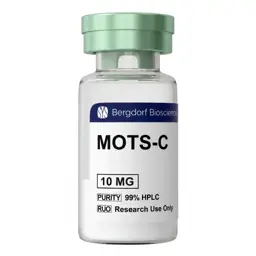
MOTS-cVer Produto
MOTS-cValores iniciais típicos para orientação. Cada linha abre a calculadora para o respectivo peptídeo.
| Peptídeo | Categoria | Dose habitual | Tamanhos de frasco | BAC (início) | Disponível | Calcular |
|---|---|---|---|---|---|---|
| VIP | Pesquisa de neuropeptídeos | - | 10 mg | 2 ml | Em estoque | Calcular |
| Retatrutide | GLP-1/GIP/GCG | 0,5-12 mg | 2 / 5 / 10 / 15 mg | 2 ml | Em estoque | Calcular |
| Cagrilintide | Análogo da amilina | - | 5 mg | 2 ml | Em estoque | Calcular |
| Tirzepatid | GLP-1/GIP | 2,5-15 mg | 5 / 10 / 15 / 20 / 30 / 60 mg | 2 ml | Em estoque | Calcular |
| GHK-Cu | Kupferpeptid | 1-4 mg | 10 / 20 / 50 mg | 5 ml | Em estoque | Calcular |
| AHK-Cu | Peptídeo de cobre | - | 100 mg | 5 ml | Em estoque | Calcular |
| BPC-157 | Gewebereparatur | 0,2-0,5 mg | 2 / 5 / 10 mg | 2 ml | Em estoque | Calcular |
| TB-500 | Thymosin Beta-4 | 2-5 mg | 2 / 5 / 10 mg | 2 ml | Em estoque | Calcular |
| CJC-1295 (kein DAC) | GHRH-Analog | 100-200 mcg | 2 / 5 / 10 mg | 2 ml | Em estoque | Calcular |
| Ipamorelin | GHRP | 200-300 mcg | 2 / 5 mg | 2 ml | Em estoque | Calcular |
| PT-141 | Bremelanotide | - | 2 / 5 / 10 mg | 2 ml | Em estoque | Calcular |
| MOTS-c | Mitochondrial | 5-10 mg | 5 / 10 mg | 2 ml | Em estoque | Calcular |
| Selank | Anxiolytisch | 150-500 mcg | 2 / 5 / 10 mg | 2 ml | Em estoque | Calcular |
| SS-31 | Elamipretide | 0,1-1 mg | 5 / 10 mg | 2 ml | Em estoque | Calcular |
| Glow Stack | Stack | 0,5-2 mg | 70 mg | 3 ml | Em estoque | Calcular |
| Klow Stack | Stack | 0,5-2 mg | 55 mg | 3 ml | Em estoque | Calcular |
| Melanotan II | Melanocortin | 100-1000 mcg | 5 / 10 mg | 2 ml | Em estoque | Calcular |
| Melanotan I | Melanocortina | - | 5 / 10 mg | 2 ml | Em estoque | Calcular |
| Tesamorelin | GHRH-Analog | 1-2 mg | 10 / 20 mg | 2 ml | Em estoque | Calcular |
| Thymosin Alpha-1 | Thymisches Peptid | 0,8-3,2 mg | 1.6 / 5 / 10 mg | 1 ml | Em estoque | Calcular |
| Epithalon | Langlebigkeit | 2-10 mg | 10 / 20 / 50 mg | 2 ml | Em estoque | Calcular |
| KPV | Immun / Barriere | 100-1000 mcg | 5 / 10 mg | 2 ml | Em estoque | Calcular |
| Semax | Kognitiv | 100-1000 mcg | 10 / 30 mg | 2 ml | Em estoque | Calcular |
| NAD+ | Longevity / Cofaktor | 100-500 mg | 1000 mg | 10 ml | Em estoque | Calcular |
| Semaglutid | GLP-1 | 0,25-2,4 mg | 2 / 5 / 10 mg | 2 ml | Só calculadora | Calcular |
| AOD-9604 | Fettverbrennung | 250-500 mcg | 2 / 5 mg | 2 ml | Só calculadora | Calcular |
| Sermorelin | GHRH-Analog | 50-300 mcg | 2 / 5 mg | 2 ml | Só calculadora | Calcular |
| HGH-Fragment 176-191 | Metabolisches Fragment | 100-500 mcg | 2 / 5 / 10 mg | 2 ml | Só calculadora | Calcular |
| N-Acetyl-Semax | Kognitiv | 100-1000 mcg | 5 / 10 mg | 2 ml | Só calculadora | Calcular |
| Hexarelin | GHRP | 50-200 mcg | 2 / 5 mg | 2 ml | Só calculadora | Calcular |
| GHRP-6 | GHRP | 50-300 mcg | 2 / 5 mg | 2 ml | Só calculadora | Calcular |
| GHRP-2 | GHRP | 50-250 mcg | 2 / 5 mg | 2 ml | Só calculadora | Calcular |
| DSIP | Schlaf | 50-500 mcg | 2 / 5 mg | 2 ml | Só calculadora | Calcular |
| 5-Amino-1MQ | Metabolisch | 2,5-10 mg | 5 / 10 mg | 2 ml | Só calculadora | Calcular |
| HGH 191AA | Wachstumshormon | 1-5 mg | 10 mg | 1 ml | Só calculadora | Calcular |
Os valores servem de orientação no contexto de pesquisa e não substituem aconselhamento especializado.
Valores iniciais típicos para orientação. Cada linha abre a calculadora para o respectivo peptídeo.
| Peptídeo | Categoria | Dose habitual | Tamanhos de frasco | BAC (início) | Disponível | Calcular |
|---|---|---|---|---|---|---|
| VIP | Pesquisa de neuropeptídeos | - | 10 mg | 2 ml | Em estoque | Calcular |
| Retatrutide | GLP-1/GIP/GCG | 0,5-12 mg | 2 / 5 / 10 / 15 mg | 2 ml | Em estoque | Calcular |
| Cagrilintide | Análogo da amilina | - | 5 mg | 2 ml | Em estoque | Calcular |
| Tirzepatid | GLP-1/GIP | 2,5-15 mg | 5 / 10 / 15 / 20 / 30 / 60 mg | 2 ml | Em estoque | Calcular |
| GHK-Cu | Kupferpeptid | 1-4 mg | 10 / 20 / 50 mg | 5 ml | Em estoque | Calcular |
| AHK-Cu | Peptídeo de cobre | - | 100 mg | 5 ml | Em estoque | Calcular |
| BPC-157 | Gewebereparatur | 0,2-0,5 mg | 2 / 5 / 10 mg | 2 ml | Em estoque | Calcular |
| TB-500 | Thymosin Beta-4 | 2-5 mg | 2 / 5 / 10 mg | 2 ml | Em estoque | Calcular |
| CJC-1295 (kein DAC) | GHRH-Analog | 100-200 mcg | 2 / 5 / 10 mg | 2 ml | Em estoque | Calcular |
| Ipamorelin | GHRP | 200-300 mcg | 2 / 5 mg | 2 ml | Em estoque | Calcular |
| PT-141 | Bremelanotide | - | 2 / 5 / 10 mg | 2 ml | Em estoque | Calcular |
| MOTS-c | Mitochondrial | 5-10 mg | 5 / 10 mg | 2 ml | Em estoque | Calcular |
| Selank | Anxiolytisch | 150-500 mcg | 2 / 5 / 10 mg | 2 ml | Em estoque | Calcular |
| SS-31 | Elamipretide | 0,1-1 mg | 5 / 10 mg | 2 ml | Em estoque | Calcular |
| Glow Stack | Stack | 0,5-2 mg | 70 mg | 3 ml | Em estoque | Calcular |
| Klow Stack | Stack | 0,5-2 mg | 55 mg | 3 ml | Em estoque | Calcular |
| Melanotan II | Melanocortin | 100-1000 mcg | 5 / 10 mg | 2 ml | Em estoque | Calcular |
| Melanotan I | Melanocortina | - | 5 / 10 mg | 2 ml | Em estoque | Calcular |
| Tesamorelin | GHRH-Analog | 1-2 mg | 10 / 20 mg | 2 ml | Em estoque | Calcular |
| Thymosin Alpha-1 | Thymisches Peptid | 0,8-3,2 mg | 1.6 / 5 / 10 mg | 1 ml | Em estoque | Calcular |
| Epithalon | Langlebigkeit | 2-10 mg | 10 / 20 / 50 mg | 2 ml | Em estoque | Calcular |
| KPV | Immun / Barriere | 100-1000 mcg | 5 / 10 mg | 2 ml | Em estoque | Calcular |
| Semax | Kognitiv | 100-1000 mcg | 10 / 30 mg | 2 ml | Em estoque | Calcular |
| NAD+ | Longevity / Cofaktor | 100-500 mg | 1000 mg | 10 ml | Em estoque | Calcular |
| Semaglutid | GLP-1 | 0,25-2,4 mg | 2 / 5 / 10 mg | 2 ml | Só calculadora | Calcular |
| AOD-9604 | Fettverbrennung | 250-500 mcg | 2 / 5 mg | 2 ml | Só calculadora | Calcular |
| Sermorelin | GHRH-Analog | 50-300 mcg | 2 / 5 mg | 2 ml | Só calculadora | Calcular |
| HGH-Fragment 176-191 | Metabolisches Fragment | 100-500 mcg | 2 / 5 / 10 mg | 2 ml | Só calculadora | Calcular |
| N-Acetyl-Semax | Kognitiv | 100-1000 mcg | 5 / 10 mg | 2 ml | Só calculadora | Calcular |
| Hexarelin | GHRP | 50-200 mcg | 2 / 5 mg | 2 ml | Só calculadora | Calcular |
| GHRP-6 | GHRP | 50-300 mcg | 2 / 5 mg | 2 ml | Só calculadora | Calcular |
| GHRP-2 | GHRP | 50-250 mcg | 2 / 5 mg | 2 ml | Só calculadora | Calcular |
| DSIP | Schlaf | 50-500 mcg | 2 / 5 mg | 2 ml | Só calculadora | Calcular |
| 5-Amino-1MQ | Metabolisch | 2,5-10 mg | 5 / 10 mg | 2 ml | Só calculadora | Calcular |
| HGH 191AA | Wachstumshormon | 1-5 mg | 10 mg | 1 ml | Só calculadora | Calcular |
Os valores servem de orientação no contexto de pesquisa e não substituem aconselhamento especializado.
Escolha um peptídeo para abrir sua página de calculadora dedicada com valores pré-preenchidos.
Escolha um peptídeo para abrir sua página de calculadora dedicada com valores pré-preenchidos.